Bosch vs ACDelco Spark Plugs: An ASE Mechanic's Honest Comparison
ASE Master Tech Mike Reeves breaks down Bosch vs ACDelco spark plugs — electrode materials, product lineups, OEM fitment, GM compatibility issues, lifespan, and which plug belongs in your engine.
Updated
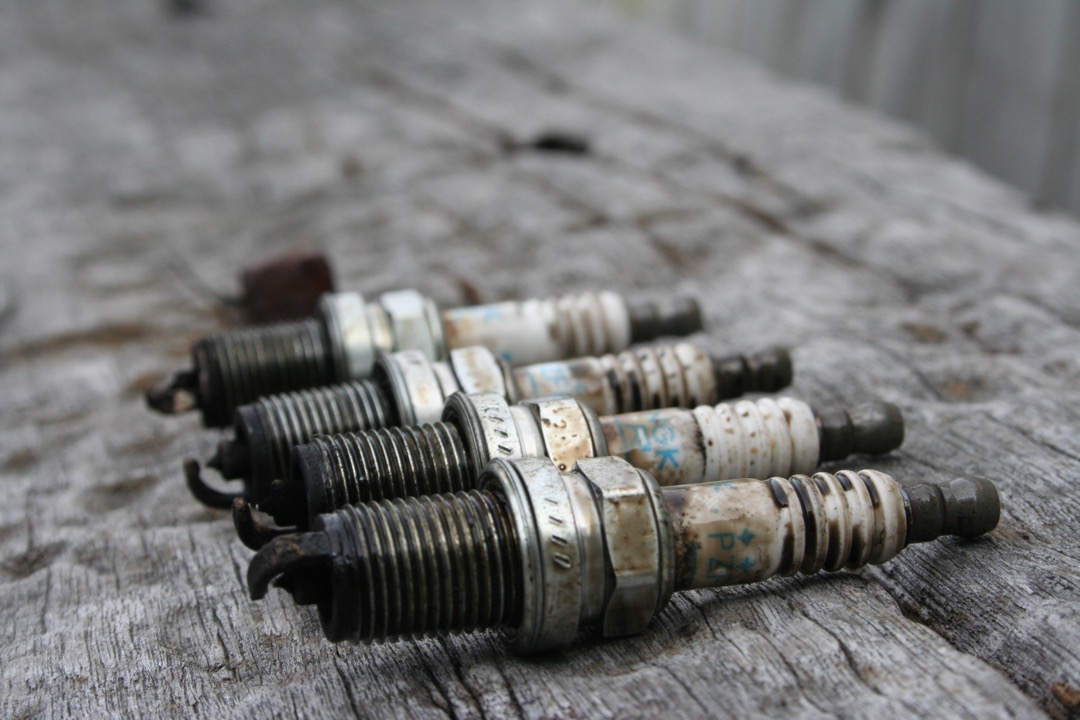
I have replaced more spark plugs than I can count. I have also diagnosed hundreds of misfires that were caused by the wrong plug in the wrong engine — and in my experience, the Bosch versus ACDelco debate is the single most common spark plug mistake drivers make. It is not because either brand makes a bad product. It is because each brand makes an excellent product for a specific set of engines, and installing the wrong one creates problems that did not need to exist.
This guide will break down both brands properly. I will cover what each company actually manufactures, how their product lineups compare across electrode materials, which engines each brand is optimized for, the well-documented Bosch-in-GM-engines issue that fills forums with misfire complaints, and how to select the right plug for your specific vehicle. If you are chasing a misfire or rough idle and suspect your spark plugs, a quality OBD2 scanner is the fastest way to confirm whether the ignition system is actually the problem before you start pulling plugs.
Quick Verdict
ACDelco wins for GM vehicles. Bosch wins for European vehicles. Neither is universally better than the other.
That is the answer most comparison articles fail to give because it does not fit a clickable headline. But it is the truth, and I will spend the rest of this article explaining exactly why.
| Factor | ACDelco | Bosch |
|---|---|---|
| OEM supplier for | General Motors (Chevy, GMC, Buick, Cadillac) | BMW, Mercedes, Audi, VW, Porsche |
| Best iridium plug | 41-110 Professional Iridium | 9652 Double Iridium |
| Rated lifespan (iridium) | Up to 100,000 miles | Up to 100,000 miles |
| Electrode materials offered | Copper, Platinum, Double Platinum, Iridium | Copper, Platinum+4, Double Iridium, EVO |
| GM engine compatibility | Excellent — designed for GM ignition systems | Problematic — documented misfire issues in GM LS/Vortec |
| European engine compatibility | Limited cross-reference availability | Excellent — OEM specification for most European makes |
| Typical price per plug (iridium) | Moderate | Moderate to slightly higher |
| Pre-gapped out of box | Yes, for intended application | Yes, for intended application |
Brand Heritage and Manufacturing
ACDelco
ACDelco is the parts division of General Motors. When you buy a new Chevrolet Silverado, GMC Sierra, Buick Enclave, or Cadillac Escalade, the spark plugs installed at the factory are ACDelco. This is not a licensing arrangement — ACDelco is GM. The engineers who design the ignition system and the engineers who design the spark plug are working from the same specifications, in the same organization, targeting the same combustion parameters.
ACDelco’s spark plug development is integrated with GM’s engine development cycle. When GM designs a new engine — the 5.3L EcoTec3 V8, the 2.7L Turbo Plus four-cylinder, or the 6.2L LT4 supercharged V8 — the spark plug specification is part of the engine design, not an afterthought. Heat range, electrode gap, reach, thread pitch, electrode geometry, and the interaction between the spark event and the combustion chamber shape are all co-developed.
Bosch
Robert Bosch GmbH is a German engineering company that has been manufacturing spark plugs since 1902. Bosch is the OEM spark plug supplier for most European automakers — BMW, Mercedes-Benz, Audi, Volkswagen, Porsche, and Volvo all specify Bosch plugs for many of their engine applications. Bosch also supplies ignition components (coils, modules, wiring) for these manufacturers, which means the entire ignition chain is designed as an integrated system.
Bosch holds over 1,000 patents related to spark plug technology, including the development of the fine-wire iridium electrode, the surface-gap discharge design, and the four-ground-electrode Platinum+4 configuration. Their engineering is world-class. The question is never whether Bosch makes good spark plugs — it is whether a specific Bosch plug is the right match for a specific engine.
Product Lineup Comparison
ACDelco Product Lines
ACDelco Professional Iridium — The flagship line. Features an iridium center electrode with a platinum ground electrode pad. This is the plug GM specifies for current-generation engines including the 5.3L and 6.2L V8, the 2.0T and 2.7T four-cylinder turbo engines, and the 3.6L V6. Rated for 100,000 miles. Part numbers like 41-110, 41-114, and 41-162 are the most commonly referenced.
ACDelco Double Platinum — Platinum pads on both the center and ground electrodes. This was the premium tier before iridium became standard. Still specified for some older GM applications and offers 100,000-mile service life. More durable than single platinum but without the precision spark of iridium’s finer electrode.
ACDelco Professional Conventional (Copper) — Standard copper-core spark plugs for older applications and budget maintenance. The copper core provides excellent thermal conductivity for consistent heat dissipation, but the nickel alloy electrode wears faster — expect 20,000 to 30,000 miles of service life. These are the right choice for classic cars, older trucks, and engines where frequent plug inspection is part of the maintenance routine.
ACDelco Rapidfire — A mid-tier platinum plug positioned between conventional copper and full iridium. Features a platinum center electrode with a longer service interval than copper but shorter than iridium. This line has been largely superseded by the Professional Iridium plugs in newer applications but remains available for older vehicles where the original specification called for single platinum.
Bosch Product Lines
Bosch Double Iridium — Bosch’s premium offering with iridium firing pins on both the center and ground electrodes. The dual iridium configuration provides the most durable and consistent spark over the life of the plug. Rated for up to 100,000 miles. This is the plug to buy if you are installing Bosch in an application where Bosch is the correct brand.
Bosch OE Fine Wire — Designed to match OEM specifications exactly for European applications. These plugs replicate the original equipment plug’s dimensions, heat range, and electrode configuration. If your BMW or Mercedes came with a Bosch plug from the factory and you want an exact replacement, this is the line.
Bosch Platinum+4 — The four-ground-electrode design that Bosch introduced as a performance upgrade. Four ground electrodes surround the center electrode, and the spark jumps to whichever ground electrode offers the lowest resistance path. This design was innovative when it launched, but it is also the plug that has the worst reputation in GM applications. The four-ground-electrode geometry changes the spark pattern in ways that GM ignition systems do not always handle well. I will explain this in detail below.
Bosch EVO — A newer single-ground-electrode design with a fine-wire yttrium center electrode. Bosch positions this as a universal replacement plug with broad application coverage. Performance is solid in applications where Bosch is the OEM brand. In GM applications, the results are mixed — better than Platinum+4 but still not optimized for GM ignition characteristics.
The Bosch-in-GM Problem: Why Forums Are Full of Misfire Stories
This is the section that matters most if you own a GM vehicle, and it is the reason this comparison exists.
There is a persistent, well-documented pattern of Bosch spark plugs causing misfires, rough idle, hesitation, and check engine lights in GM engines — particularly the 4.8L, 5.3L, and 6.0L Vortec V8 engines and the LS-family engines. This is not internet myth. I have personally diagnosed and resolved this issue in my shop more times than I can count, and the fix is always the same: remove the Bosch plugs, install ACDelco iridium plugs, clear the codes, problem solved.
Why Does This Happen?
The root cause is a mismatch between spark plug electrode geometry and the GM ignition system’s coil-on-plug output characteristics.
GM’s coil-on-plug ignition system delivers a specific voltage waveform optimized for the ACDelco plug’s electrode gap and geometry. The spark kernel — the initial plasma channel that ignites the air-fuel mixture — forms differently depending on electrode shape, gap distance, and ground electrode configuration. ACDelco plugs are designed so that the spark kernel forms in the optimal location within the combustion chamber for GM’s specific squish area and fuel spray pattern.
Bosch’s Platinum+4 four-ground-electrode design creates a fundamentally different spark pattern. Instead of a single predictable spark path between one center and one ground electrode, the spark jumps to one of four ground electrodes based on the lowest instantaneous resistance. This means the spark location varies from cycle to cycle. In European engines designed for this spark pattern, it works fine. In GM engines designed for a single consistent spark location, it can cause incomplete combustion, which the ECU detects as a misfire.
Even Bosch’s single-ground-electrode designs (Double Iridium, EVO) can exhibit issues in GM applications because the electrode materials, heat range calibration, and ground electrode projection are optimized for European combustion chamber geometries rather than GM’s. The difference is subtle — fractions of a millimeter in electrode projection, slight variations in heat range behavior — but spark plug performance operates on very tight tolerances.
The Bottom Line for GM Owners
If you drive a GM vehicle and are experiencing misfires after installing Bosch spark plugs, replace them with ACDelco Professional Iridium in the part number specified for your engine. This is not a brand preference — it is an engineering compatibility issue. I have seen this resolve the problem in well over ninety percent of cases where Bosch plugs were the root cause.
If your GM vehicle came from the factory with Bosch plugs (which does happen in some GM applications that use Bosch-sourced European-designed engines, like certain Cadillac models with BMW-derived powertrains), then Bosch is the correct plug. Check your owner’s manual or the underhood emissions label for the factory-specified part number.
Where Bosch Excels
I have been hard on Bosch in GM applications because that is where the problems are. But Bosch makes outstanding spark plugs for the engines they were designed for.
BMW: Every M54, N52, N55, B58, S55, and S58 engine I have worked on runs best on Bosch plugs. The ignition system is designed around Bosch specifications, and attempting to substitute ACDelco or other brands in these engines introduces the same kind of mismatch problem — just in reverse.
Mercedes-Benz: The M274, M276, and M178 engines all specify Bosch plugs. Mercedes ignition timing and coil output are calibrated for Bosch electrode characteristics. Using the specified Bosch plug is not optional in these applications — it is how you keep the engine running at specification.
Volkswagen and Audi: The EA888 turbocharged four-cylinder — one of the most common engines in the VW/Audi lineup — specifies Bosch plugs. Given the tight tolerances of a turbocharged, direct-injected engine operating at high boost pressures, the OEM plug specification is especially important. I keep a fuel injector cleaner recommendation handy for these GDI engines too, since carbon buildup on intake valves is the other major maintenance item owners need to manage.
Porsche: The flat-six and turbocharged flat-four engines in 911, Cayman, and Boxster models specify Bosch. These are high-performance engines with precisely tuned ignition systems that do not tolerate spark plug substitution well.
Electrode Materials: Copper vs Platinum vs Iridium
Both brands offer the same three material tiers. Here is what each material actually does and when it matters.
Copper
Copper is the best conductor of heat among spark plug electrode materials, which means copper-core plugs dissipate combustion heat the most efficiently. The center electrode is made of a nickel alloy with a copper core — not solid copper, which would erode in minutes. Copper plugs fire well, run at the correct temperature easily, and cost very little. The trade-off is lifespan: 20,000 to 30,000 miles before the nickel alloy electrode erodes enough to widen the gap beyond specification.
Copper plugs are the correct choice for older engines designed before platinum and iridium were available, for performance engines where the owner inspects and replaces plugs frequently, and for any application where the manufacturer specifies copper. Both ACDelco and Bosch make perfectly adequate copper plugs — at this tier, the material is doing most of the work and brand differences are minimal.
Platinum
Platinum is significantly harder than nickel alloy, which means the center electrode erodes more slowly and maintains its gap longer. Single platinum plugs have a platinum pad on the center electrode only. Double platinum plugs have platinum pads on both the center and ground electrodes, which provides more even wear and better longevity — typically 60,000 to 100,000 miles depending on the specific plug and application.
The trade-off versus iridium is electrode diameter. Platinum center electrodes are typically 1.1 to 1.5 millimeters in diameter. Iridium electrodes can be as fine as 0.4 to 0.7 millimeters. A finer electrode requires less voltage to initiate the spark and creates a more concentrated spark kernel, which can improve combustion efficiency under lean conditions and at cold start.
Iridium
Iridium is the hardest commonly used spark plug electrode material — six times harder than platinum. This allows manufacturers to use an extremely fine center electrode that maintains its shape and gap over 100,000 miles. The fine electrode produces a focused, high-energy spark that improves ignitability, particularly in direct-injection engines where the fuel spray pattern and air motion create challenging ignition conditions.
Both ACDelco Professional Iridium and Bosch Double Iridium are excellent plugs at the material level. The differentiation between them is not in the iridium itself — it is in the overall plug design, heat range calibration, and electrode geometry that determines which engines they work best in.
Installation: What Most People Get Wrong
Spark plug installation seems simple, and it is — if you pay attention to three details that most DIY mechanics overlook.
Anti-seize compound: This is the most debated topic in spark plug installation. Bosch and ACDelco both state that their plugs do not require anti-seize because the plating on the threads serves as a lubricant. If you choose to use anti-seize anyway, reduce the torque specification by approximately 10 percent because anti-seize reduces the friction coefficient and the same torque value will produce higher clamping force. Over-torquing a spark plug in an aluminum cylinder head strips the threads, and that repair is expensive.
Torque specification: Use a torque wrench. The correct torque for a 14mm spark plug in an aluminum head is typically 15 to 22 foot-pounds depending on the application. Hand-tight plus a fraction of a turn is not a specification — it is a guess. Under-torquing causes combustion gas leakage past the spark plug gasket, which overheats the plug and can cause pre-ignition. Over-torquing stretches the plug shell and can crack the ceramic insulator internally, creating a misfire that is invisible from the outside.
Gap verification: Even pre-gapped plugs should be verified before installation. Shipping and handling can alter the gap. A feeler gauge check takes thirty seconds and eliminates one variable from your ignition system. Your engine air filter condition matters here too — a restricted air filter changes the air-fuel ratio, and a spark plug operating in a rich mixture fouls faster regardless of brand or material.
Lifespan and Replacement Intervals
Both brands rate their iridium plugs at 100,000 miles. Here is what actually happens in practice.
At 60,000 miles, iridium plugs from both brands typically show measurable electrode wear — the center electrode diameter has decreased and the gap has widened by 0.002 to 0.004 inches from the original specification. The plug still fires, the engine still runs, but combustion efficiency has decreased slightly. You may notice marginally worse fuel economy and slightly rougher cold starts.
At 80,000 miles, the gap widening becomes more noticeable. Some engines will begin to show occasional misfires under high load — hard acceleration from a stop, towing, or climbing grades. The ignition coil has to work harder to bridge the wider gap, which accelerates coil wear. Replacing spark plugs at 80,000 miles is replacing plugs that work. Waiting until 100,000 miles is waiting until they barely work.
My recommendation: inspect at 60,000, replace at 80,000 regardless of appearance. The cost of a set of iridium plugs is trivial compared to the cost of an ignition coil that fails because it spent 20,000 miles compensating for worn plugs. Keeping your charging system healthy matters here too — weak voltage from a failing alternator stresses the entire ignition chain, so a reliable car battery charger is worth having in your garage for regular battery maintenance.
Cross-Reference Guide: Common Applications
Cross-referencing between Bosch and ACDelco is possible but requires caution. Here are the most commonly searched cross-references for popular engines:
GM 5.3L Vortec / EcoTec3 V8: ACDelco 41-110 is the factory specification. The Bosch cross-reference is 9652 Double Iridium. My recommendation: use the ACDelco 41-110. This is the application where the Bosch-in-GM compatibility issue is most commonly reported.
GM 6.2L L86/LT1 V8: ACDelco 41-114 is the factory specification. Similar cross-reference considerations apply — stick with ACDelco for this engine.
BMW B58 3.0L Turbo Six: Bosch ZR5TPP33 (or equivalent OE Fine Wire part number) is the factory specification. Do not substitute ACDelco in this application.
VW/Audi EA888 2.0T: Bosch is the OEM specification. The specific part number varies by model year and tune level — check the Bosch application guide for your exact vehicle.
The universal rule: if your engine was designed by GM, use ACDelco. If your engine was designed by a European manufacturer that specifies Bosch, use Bosch. Cross-referencing should be a last resort when the OEM brand is unavailable, not a cost-saving strategy.
Which Spark Plug Brand Should You Buy?
Use ACDelco if:
- You drive any GM vehicle (Chevrolet, GMC, Buick, Cadillac)
- Your GM vehicle is experiencing misfires with Bosch plugs currently installed
- You want the OEM-specified plug for a GM engine without any compatibility risk
- You are maintaining a fleet of GM trucks and want standardized parts
Use Bosch if:
- You drive a BMW, Mercedes-Benz, Audi, Volkswagen, Porsche, or Volvo
- Your vehicle’s factory service manual specifies a Bosch part number
- You are maintaining a European vehicle and want OEM-equivalent replacement parts
- Your vehicle has a Bosch ignition system (coils and plugs from the same manufacturer)
Use neither if:
- You drive a Toyota or Honda — NGK or Denso are the OEM brands for these manufacturers
- You drive a Hyundai or Kia — NGK is typically the OEM specification
- You drive a Subaru — NGK is the OEM specification for boxer engines
The spark plug market is not a competition between two brands where one is universally better. It is a compatibility matrix where the right answer depends entirely on what engine is in your vehicle. Bosch and ACDelco are both excellent manufacturers. They are excellent for different vehicles. Treat spark plug selection like motor oil selection — match the specification, not the marketing. And while you are under the hood, our guide to the best engine air filters is worth a look — clean air and proper ignition are the two fundamentals of efficient combustion, and neglecting either one undermines the other.
Buyer's Guide
Choosing between Bosch and ACDelco spark plugs comes down to six factors. Match these to your vehicle and driving conditions and the right plug picks itself.
Your Vehicle's OEM Spark Plug Brand
This is the single most important factor. GM vehicles are engineered around ACDelco spark plug specifications. European vehicles — BMW, Mercedes, Audi, Volkswagen, Porsche — are engineered around Bosch. The ignition system, coil output, ECU timing maps, and combustion chamber geometry are all optimized for the OEM plug's heat range, electrode shape, and spark characteristics. Installing the OEM-specified brand is not brand loyalty — it is engineering compatibility. Deviating from the OEM brand can work, but it introduces a variable that did not exist when the engine was designed and validated.
Electrode Material Tier
Both Bosch and ACDelco offer copper, platinum, and iridium electrode plugs. Copper plugs are the cheapest and have the best conductivity but wear fastest — 20,000 to 30,000 miles. Single platinum extends to 60,000 miles. Iridium is the premium tier at 80,000 to 100,000 miles with the finest center electrode for the most precise spark. Match the electrode material to your maintenance tolerance and your engine's requirements. Turbocharged and GDI engines should always run iridium or platinum — the higher combustion pressures and temperatures demand the durability.
Heat Range Compatibility
Heat range describes how quickly the plug transfers combustion heat away from the electrode to the cylinder head. A plug that is too hot for your engine will cause pre-ignition or detonation. A plug that is too cold will foul with carbon deposits. Bosch and ACDelco use different heat range numbering systems that do not directly correspond. A Bosch heat range 7 is not the same as an ACDelco heat range 7. Always use the manufacturer's application guide to select the correct heat range for your specific engine — never assume the numbers translate across brands.
Engine Type and Forced Induction
Naturally aspirated engines are relatively forgiving of spark plug brand substitution. Turbocharged and supercharged engines are not. Forced induction increases cylinder pressures and temperatures significantly, which demands precise spark timing, electrode durability, and heat dissipation. If your engine is turbocharged, use the exact OEM-specified plug. The margin for error shrinks as boost pressure increases. For GM turbocharged four-cylinder engines, ACDelco Iridium is the only plug I install. For turbocharged European engines, Bosch Double Iridium or the OEM-specified Bosch part number is the correct choice.
Maintenance Interval Preference
If you prefer to change spark plugs infrequently, iridium plugs from either brand offer 80,000 to 100,000 mile rated intervals. If you are maintaining an older vehicle or a performance engine where you want to inspect plugs regularly, copper plugs at 20,000 to 30,000 mile intervals give you frequent inspection opportunities and cost very little per plug. Platinum sits in the middle at 60,000 miles. Your maintenance philosophy — set-and-forget versus hands-on monitoring — should drive the material choice, and both brands serve all three tiers.
Budget vs Total Cost of Ownership
ACDelco plugs are generally priced slightly lower than equivalent Bosch plugs at the per-plug level, though pricing varies by retailer and specific part number. The real cost calculation is per-mile, not per-plug. An iridium plug that lasts 100,000 miles at a higher per-plug price costs less per mile than a copper plug that lasts 25,000 miles at a lower price — and you avoid three additional plug change labor events. For vehicles where plug access requires significant disassembly — many modern V6 and V8 engines with intake manifold removal — the labor savings of longer-life plugs can dwarf the per-plug price difference.
Frequently Asked Questions
Can I use Bosch spark plugs in a Chevy or GM vehicle?
Are ACDelco spark plugs good for non-GM vehicles?
How long do ACDelco iridium spark plugs last compared to Bosch iridium?
Do I need to gap ACDelco or Bosch iridium spark plugs?
What is the ACDelco equivalent of a Bosch spark plug?
Related Articles
Mobil 1 vs Castrol GTX: An ASE Mechanic's Honest Comparison
maintenance-parts
8 Best Fuel Injector Cleaners of 2026
maintenance-parts
7 Best Engine Air Filters of 2026
maintenance-parts
Bosch vs Rain-X Wipers: An ASE Mechanic's Honest Comparison
maintenance-parts
Synthetic vs Conventional Oil: An ASE Mechanic's Honest Breakdown (2026)
maintenance-parts
About the Reviewer

Mike Reeves, ASE Master Technician
A.A.S. Automotive Technology, Universal Technical Institute (UTI)
Mike Reeves is an ASE Master Technician with 15 years of hands-on experience in automotive repair and diagnostics. He earned his A.A.S. in Automotive Technology from UTI and runs his own independent shop in Denver, Colorado. Mike founded RevRated to help everyday car owners make smarter parts decisions -- every recommendation comes from real-world testing in his garage.