Bosch vs Rain-X Wipers: An ASE Mechanic's Honest Comparison
ASE Master Tech Mike Reeves compares Bosch vs Rain-X wiper blades — product lines, rubber compounds, water repellency, winter performance, lifespan, and which blade belongs on your windshield.
Updated
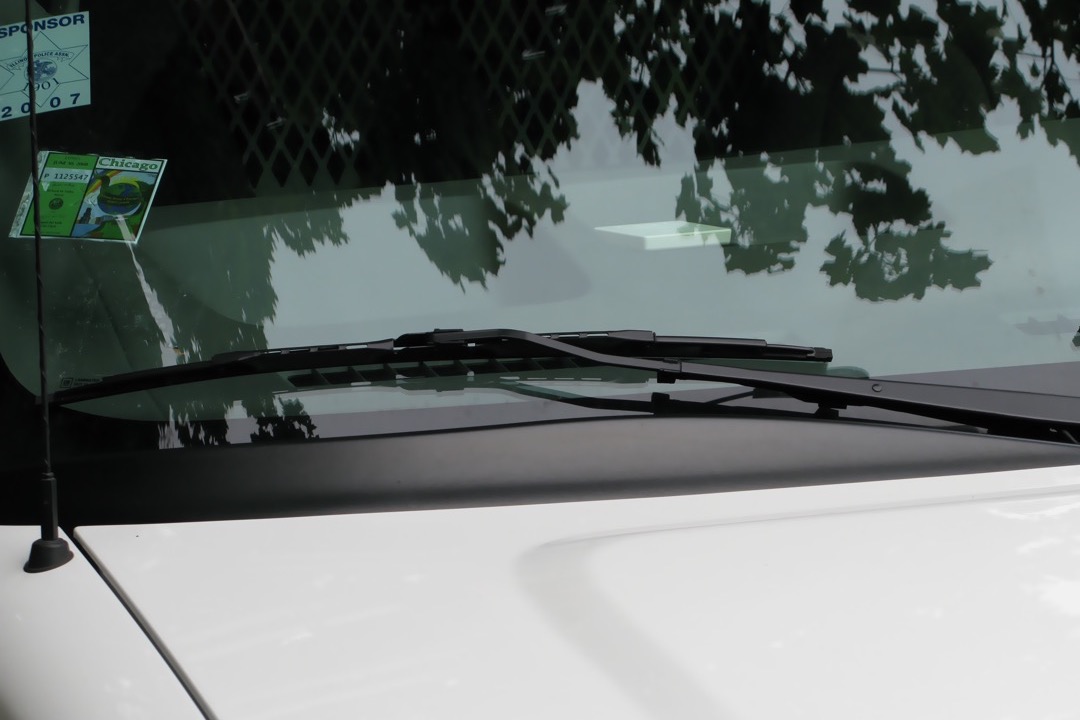
I have installed more wiper blades in my shop than I can count, and the Bosch-versus-Rain-X question is one of the most common things customers ask about at the counter. The short answer nobody in a parts aisle is going to give you is that both brands make excellent blades, and both brands make mediocre blades, and the right choice depends on what climate you drive in, how often you are willing to replace blades, and whether you value consistency over peak performance.
This guide will break down the full product lineup from both brands — not just the two flagship blades every other article compares. I will cover how each company’s blades are actually constructed, what the water-repellent coating on Rain-X Latitude really does and how long it lasts, the climate-specific cases where each brand has a genuine advantage, and a mechanic’s approach that combines the best of both that almost nobody talks about. If you are here because your current blades are streaking, chattering, or leaving that semicircle of unwiped glass at the bottom of the sweep, the broader roundup of best windshield wipers covers every category of blade including winter-specific and rear wipers.
Quick Verdict
Bosch Icon wins for longevity and winter performance. Rain-X Latitude wins for first-month water repellency. Rain-X Silicone Endura wins for total blade lifespan.
That is the honest answer most comparison articles dodge because it does not fit a one-line headline.
| Factor | Bosch Icon | Rain-X Latitude WR | Rain-X Silicone Endura |
|---|---|---|---|
| Blade construction | Beam, sealed | Beam, natural rubber | Beam, silicone |
| Water repellency | None (blade) | Coating transfers to glass | Inherent (silicone) |
| Realistic lifespan | 9–12 months | 6–9 months | 18–24 months |
| Cold weather performance | Excellent | Good | Fair below 15°F |
| Hot/UV climate performance | Good | Poor (coating degrades) | Excellent |
| Noise at highway speed | Very quiet | Quiet | Quiet (wet) / moderate (dry) |
| Price per pair (2026) | ~$40 | ~$35 | ~$55 |
| Cost per year of service | ~$40/yr | ~$53/yr | ~$37/yr |
Understanding the Product Lines Before You Compare
This is the section every other comparison skips, and it is the reason most buyers pick the wrong blade. Both brands sell more than one wiper blade, and the flagship product is not always what the marketing suggests.
Bosch Wiper Blade Lineup
Bosch Icon — The flagship beam blade. Dual-rubber compound with a natural rubber wiping edge and synthetic rubber body. Sealed tension-spring construction. This is the Bosch that every comparison article references, and for good reason — it is genuinely one of the best beam blades available.
Bosch Micro Edge — The budget bracket-style blade. Metal frame, natural rubber refill. Adequate for older vehicles that require a traditional frame style, but meaningfully outperformed by the Icon for a few dollars more. Not the right choice for any modern vehicle with a flat or curved windshield.
Bosch ICON Alpine — A winter-specific version of the Icon with an insulated boot that resists ice buildup on the frame. Targeted at snow-belt drivers. If you regularly see temperatures below 20°F and heavy snow, this is worth the upgrade over the standard Icon from October through March.
Bosch Clear Advantage / Evolution — Mid-tier beam blades positioned below the Icon. The Clear Advantage is a beam blade at a lower price point, with natural rubber compound but without the dual-compound construction. These are fine blades, but the price gap to the Icon is typically only a few dollars and the Icon is the clear upgrade.
Rain-X Wiper Blade Lineup
Rain-X Latitude Water Repellency — The mass-market Rain-X blade. Natural rubber beam blade with a hydrophobic coating that transfers to the windshield during normal wiper operation. The marketing focus is on the coating effect, not the blade itself. This is the blade most buyers think of when they hear “Rain-X.”
Rain-X Silicone Endura — The premium Rain-X blade, and the one that most online comparisons get wrong by not mentioning it. Silicone elastomer compound without the transferable coating. Rated for up to two years of service, which is meaningfully longer than any natural-rubber blade from either brand. This is the Rain-X that should be compared head-to-head with the Bosch Icon on durability grounds.
Rain-X Weatherbeater — The entry-level bracket-style Rain-X. Natural rubber refill in a metal frame. Similar position in the lineup to the Bosch Micro Edge. Adequate for older vehicles, outclassed by beam blades for any modern vehicle.
Rain-X Latitude Ice — A winter-specific Latitude with an insulated boot. The Rain-X equivalent of the Bosch ICON Alpine. Good for winter use but the natural rubber compound is more forgiving in extreme cold than the Silicone Endura.
Rain-X AdvantEdge and Quantum — Hybrid and premium beam variants that Rain-X sells through certain retailers. These are essentially variations on the Latitude platform with different packaging. Performance is broadly similar to the Latitude Water Repellency.
Head-to-Head: The Five Things That Actually Matter
1. Water Repellency — Which Actually Works?
The Rain-X Latitude Water Repellency model has a genuine advantage in its first month of service. The hydrophobic coating on the blade transfers to the glass during normal wiping, and the result is water beading that causes rain to roll off the windshield above approximately 40 mph without the wipers running. In heavy rain at highway speed, this is legitimately useful.
The catch is the coating’s lifespan. In my experience, the full beading effect is strong for the first two to three months, partially present through months four and five, and essentially gone by month six. After that, you are wiping with a natural-rubber beam blade that is functionally similar to any other natural-rubber beam blade — except you paid a premium for a feature that no longer exists.
The Bosch Icon does not have a built-in water-repellent coating. It is a pure beam blade with excellent wiping performance, but the glass is wiped, not treated. The Silicone Endura sheds water better than the Icon due to the silicone compound’s natural hydrophobicity, but does not create the same dramatic beading effect as fresh Latitude.
Verdict: If first-month water repellency is your highest priority and you will replace blades frequently, Rain-X Latitude. If you want consistent wiping that does not degrade over time, Bosch Icon. If you want natural water shedding without the coating transfer, Silicone Endura.
2. Durability and Rubber Compound
Bosch’s dual-rubber compound is the durability benchmark in this comparison. The outer wiping edge is a soft natural rubber for clean glass contact, and the body is a harder synthetic rubber for UV and ozone resistance. In practice, I see Bosch Icon pairs deliver consistent performance for 9 to 12 months in a typical daily driver, with the wipe quality at month 10 still being recognizably better than a fresh Rain-X Weatherbeater.
Rain-X Latitude’s natural rubber compound is softer overall, which gives it a good initial wipe but accelerates wear. The blade is typically showing streaking and edge degradation by month 6 to 8 in normal service. The coating depletion happens faster than the blade wear, but the blade does not outlast the coating by much.
Rain-X Silicone Endura is the durability outlier. Silicone has significantly better UV resistance and ozone resistance than natural rubber, which translates to real-world service life of 18 to 24 months in ideal conditions. In a hot, dry climate, this gap widens further — I have seen silicone blades still performing well at 20 months in Arizona while Latitude blades on similar vehicles were due for replacement at 6 months.
Verdict: Silicone Endura for raw lifespan, Bosch Icon for consistent performance across a wide range of conditions, Latitude for shortest usable life before replacement.
3. Winter Performance and Cold Weather
This is where the Bosch Icon’s construction pays off. The sealed tension-spring design prevents water intrusion into the blade frame, which means freeze-thaw cycles do not crack the frame or jam the articulation points. In the snow belt, this is the difference between a blade that lasts through one winter and one that fails in February.
Rain-X Latitude is an adequate winter blade but not optimized for extreme conditions. The natural rubber stays flexible in cold weather, which is good, but the blade frame is less sealed against ice intrusion than the Bosch Icon. For dedicated winter conditions, the Rain-X Latitude Ice adds an insulated boot that addresses some of this — the equivalent spec to the Bosch ICON Alpine.
Rain-X Silicone Endura is the cold-weather weakness of this comparison. Silicone elastomer stiffens noticeably below approximately 15°F, and when the blade runs across an incompletely defrosted windshield, the leading edge can snag on ice patches and develop micro-tears. I have pulled silicone blades with visible edge damage from vehicles in Minnesota and Montana after a single winter season. In any climate with sustained sub-zero temperatures, silicone is the wrong compound.
Verdict: Bosch Icon for general winter use, Bosch ICON Alpine or Rain-X Latitude Ice for heavy snow, avoid Silicone Endura in extreme cold.
4. Noise and Chatter
Both Bosch Icon and Rain-X Latitude are quieter than any bracket-style blade because the beam spine maintains consistent contact pressure across the full sweep. Bosch Icon has a slight edge at highway speeds because of the spoiler profile that reduces wind lift above 55 mph, which keeps the blade in contact with the glass during the sweep.
Silicone compounds are quieter than rubber compounds when wet, because silicone glides smoothly across water. On dry or damp glass, silicone can chatter more than rubber because the compound grips the glass more assertively. If you frequently wipe intermittently on light rain or heavy mist — where the glass is damp but not wet — a rubber-compound blade is quieter.
Wiper arm spring tension is a separate variable that often gets blamed on the blade. A worn arm spring does not apply enough pressure, which causes any blade to chatter regardless of brand or compound. If you have replaced blades and the chatter persists, test the arm tension by lifting the blade and letting it snap back — it should have a firm, positive return. A soft or slow return means the arm needs replacement, and no blade upgrade will fix it.
Verdict: Bosch Icon at highway speeds, either Latitude or Icon at city speeds, Silicone Endura only if you mostly drive in steady rain.
5. Price Per Year of Service
The shelf price is the wrong number to compare. What matters is cost per year of service, which bakes in lifespan. Current 2026 pricing across major retailers works out roughly as follows:
- Rain-X Weatherbeater pair: ~$20, replace at 6 months = ~$40/year
- Rain-X Latitude WR pair: ~$35, replace at 8 months = ~$53/year
- Bosch Icon pair: ~$40, replace at 12 months = ~$40/year
- Rain-X Silicone Endura pair: ~$55, replace at 18 months = ~$37/year
The cheapest per-year options are the Bosch Icon and the Silicone Endura, and those are also the two best-performing blades. The Latitude is actually the most expensive option per year of service because the premium price does not translate into long enough service life to justify it. The Weatherbeater is cheap up front but delivers worse wiping throughout its short life.
Verdict: Bosch Icon and Rain-X Silicone Endura tie for best value per year. The Latitude is a poor long-term economic choice unless you specifically value the first-month coating effect and are willing to pay for it.
Which One Should You Buy? A Climate-Based Verdict
Pacific Northwest / Rainy Southeast / Great Lakes Rain-X Latitude Water Repellency makes sense here because the coating is doing its intended job constantly in heavy rain, and the cool, overcast climate slows UV degradation. Replace at 6 to 8 months.
Snow Belt / New England / Upper Midwest / Mountain States Bosch Icon, no question. The sealed construction and rubber compound handle freeze-thaw cycles better than any Rain-X product. Add the Bosch ICON Alpine for October through March if winters are genuinely harsh. Avoid Silicone Endura.
Sun Belt / Southwest / Southern California / Florida Rain-X Silicone Endura or Bosch Icon. The Latitude’s coating degrades rapidly under high UV, and the natural rubber cracks faster in sustained heat. Silicone’s UV resistance wins in this climate, with Bosch Icon as a close second.
Moderate Mixed Climate / Mid-Atlantic / Midwest Bosch Icon is the safest all-around choice. Consistent performance across seasons, good cost per year, no specific weakness in any condition. This is what I install on my own daily driver.
The Mechanic’s Trick: Get Both Advantages at Once
Here is the setup almost nobody talks about. Install Bosch Icon blades for the durability and consistent wiping. Then apply Rain-X bottled glass treatment to the windshield itself, not the blade, every 8 to 12 weeks. This gives you the long-lasting blade performance of the Icon plus the water-beading effect of Rain-X coating — both at their best, and both maintained independently.
This combination outperforms either product on its own. The Icon outlasts the Latitude by several months, and the manually applied Rain-X coating lasts as long or longer than the Latitude’s transferred coating because it is applied more thoroughly and uniformly to clean glass. The total cost is comparable to replacing Latitude blades twice a year, but the performance is consistently better.
The only step most people get wrong is windshield prep. Apply Rain-X to glass that still has wax residue, silicone road-film residue, or conventional wash contamination and the coating will not bond properly and will streak. Before the first Rain-X application, clean the windshield with isopropyl alcohol (70% or higher) on a microfiber towel. This strips any residue and lets the coating adhere to the glass itself. A good car wash soap that does not leave a waxy residue will keep the glass cleaner between Rain-X applications, and a proper car wax on the paint — never on glass — keeps your routine organized by surface type.
Before You Install: Two Steps Nobody Mentions
Even the best blade will streak if you install it on a poorly prepped windshield.
Clean the glass first. New blades installed on a windshield with accumulated road film, wax overspray, or hardened bug residue will drag the contamination across the glass and either streak immediately or shorten blade life from day one. Clean the windshield with a glass-specific cleaner or diluted isopropyl alcohol before installing new blades.
Check wiper arm tension. Lift each wiper arm off the glass and let it snap back under spring tension. It should return firmly and positively. If it returns softly or slowly, the arm is worn and needs replacement regardless of what blade you install. No premium blade fixes a weak arm. Replacement wiper arms are inexpensive and straightforward to install on most vehicles — usually one nut under a plastic cap at the base of the arm.
While you are doing windshield maintenance, consider pulling your cabin air filter as a quick related check — a clogged cabin filter often accompanies a general “neglected for a while” maintenance state, and the defroster’s ability to clear interior fog depends on the HVAC system pulling clean, moving air. And if your interior has developed that sticky film on the inside of the glass that is always present in older cars, a proper interior cleaner applied to the inside of the windshield makes an immediate visibility difference that wiper blades cannot.
The Bottom Line
Bosch and Rain-X both make legitimately good wiper blades. They are good for different things, and they are good in different conditions. The Bosch Icon is the most consistent performer across the widest range of climates and usage patterns — that is what makes it my default recommendation for anyone who does not have a specific reason to choose otherwise. The Rain-X Latitude earns its place in genuinely wet climates where the coating effect is the priority and frequent replacement is acceptable. The Rain-X Silicone Endura earns its place in hot, UV-heavy climates where silicone’s durability advantage is real.
The Rain-X-on-Bosch-Icon combination is the setup I run on my own vehicle and recommend to customers who want the best of both worlds without compromising on blade lifespan. For a broader look at winter-specific blades, rear wipers, and options for European vehicles with unique attachment mechanisms, the full best windshield wipers roundup has you covered.
Buyer's Guide
Choosing between Bosch and Rain-X wipers comes down to six factors. Match these to your vehicle, climate, and maintenance preferences and the right blade picks itself.
Your Primary Climate and Driving Region
Climate is the single most important variable in wiper selection. In a wet climate — Pacific Northwest, the Southeast, Great Lakes region — the water-repellent advantage of a Rain-X Latitude is genuinely useful because the blade is actively shedding water most of the time. In a snow-belt climate — New England, Upper Midwest, Rocky Mountain states — the Bosch Icon's sealed beam construction and rubber compound handle freeze-thaw cycles and ice scraping better than any Rain-X product. In a sun-belt climate — Southwest, Southern California, Florida — high UV exposure destroys the Rain-X coating faster than the blade itself wears out, which makes a silicone blade (Rain-X Silicone Endura) or the Bosch Icon a better value. Match the blade to the weather you actually drive in, not the weather you occasionally see.
Blade Construction Type
Both Bosch Icon and the Rain-X Latitude / Silicone Endura are beam blades, which is the modern standard for good reason. Beam blades use a flexible steel spine under the rubber instead of a metal bracket frame, which means better contact pressure across curved windshields, no ice-clogging frame geometry, and quieter operation. Avoid traditional bracket-style blades unless your vehicle specifically requires them for aerodynamic reasons or adapter compatibility. Bosch's Micro Edge and Rain-X Weatherbeater are the bracket-style budget options in each brand — adequate, but both companies' beam blades are meaningfully better for not much more money. If you are on any modern vehicle (2010 or newer), the decision is which beam blade, not whether to buy one.
Rubber Compound vs Silicone Compound
Bosch Icon uses a dual-rubber compound — a natural rubber wiping edge bonded to a synthetic rubber body. This gives you a soft, flexible edge for clean wiping and a tougher body for UV and ozone resistance. Rain-X Latitude uses a similar natural-rubber formulation with the added hydrophobic coating. Rain-X Silicone Endura uses a silicone elastomer compound, which has genuinely different material properties — silicone is more UV-resistant, longer-lasting in dry climates, and sheds water naturally without a coating. The trade-off is cold-weather brittleness and a slightly different wipe feel. Rubber blades are more forgiving and better in extreme cold. Silicone blades last longer in heat and UV. Choose the compound that matches your climate's dominant stress.
Coating Lifespan and Reapplication Strategy
The Rain-X Latitude's built-in water-repellent coating is a real feature, but it has a realistic lifespan of two to four months of full effectiveness — not the blade's full service life. If you are willing to replace blades twice a year specifically to maintain the coating effect, the Latitude makes sense. If you prefer to buy blades once and forget them for a year, the Bosch Icon is the better investment, and you can apply Rain-X liquid treatment to the windshield every few months to get the coating effect independently. The Silicone Endura falls in between — naturally water-shedding without the aggressive coating transfer, with the longest blade lifespan of the three. Match your coating expectations to how often you actually maintain your vehicle.
Noise and Chatter Sensitivity
Wiper chatter is the vibration and squeaking that happens when a blade sticks and skips across a dry or contaminated windshield. Both Bosch Icon and Rain-X Latitude are quieter than bracket-style blades because their flexible spines maintain even pressure. Bosch has a slight edge on noise at highway speeds because of the Icon's spoiler profile, which reduces wind lift above 55 mph. Silicone blades — Rain-X Silicone Endura — can chatter more than rubber blades on dry glass, but wipe very quietly when wet. If you frequently run wipers intermittently on damp (not wet) glass, a rubber-compound blade is quieter. If you drive mostly in steady rain, silicone is fine. Note that wiper arm spring tension is a separate variable — a worn arm makes any blade chatter regardless of brand, which I cover in the install section below.
Price Per Year, Not Price Per Blade
The real cost comparison is cost per year of service, not price per blade at the shelf. A Rain-X Weatherbeater pair at $20 replaced every six months is $40 per year and meaningfully worse performance throughout. A Rain-X Latitude Water Repellency pair at $35 replaced every eight months is about $53 per year with the coating advantage for the first four months. A Bosch Icon pair at $40 replaced every twelve months is $40 per year with consistent performance throughout. A Rain-X Silicone Endura pair at $55 replaced every eighteen months is about $37 per year with the longest single-blade life. The cheapest per-year options are Bosch Icon and Rain-X Silicone Endura — and notably, those are also the two best-performing blades. Buying premium blades is cheaper long-term than replacing mid-tier blades twice as often.
Frequently Asked Questions
Is Bosch Icon better than Rain-X Latitude?
How long do Rain-X Latitude blades last before the coating wears off?
Are Rain-X wiper blades worth it in winter?
What is the difference between Rain-X Latitude and Rain-X Silicone Endura?
Can I put Rain-X liquid treatment on Bosch Icon blades?
Related Articles
7 Best Windshield Wipers of 2026
maintenance-parts
Bosch vs ACDelco Spark Plugs: An ASE Mechanic's Honest Comparison
maintenance-parts
7 Best Cabin Air Filters of 2026
maintenance-parts
Mobil 1 vs Castrol GTX: An ASE Mechanic's Honest Comparison
maintenance-parts
Synthetic vs Conventional Oil: An ASE Mechanic's Honest Breakdown (2026)
maintenance-parts
About the Reviewer
Mike Reeves, ASE Master Technician
A.A.S. Automotive Technology, Universal Technical Institute (UTI)
Mike Reeves is an ASE Master Technician with 15 years of hands-on experience in automotive repair and diagnostics. He earned his A.A.S. in Automotive Technology from UTI and runs his own independent shop in Denver, Colorado. Mike founded RevRated to help everyday car owners make smarter parts decisions -- every recommendation comes from real-world testing in his garage.