7 Best Engine Air Filters of 2026
ASE Master Technician Mike Reeves reviews the best engine air filters of 2026. Compare disposable panel filters, high-flow reusable filters, and OEM-grade replacements by filtration efficiency, material, lifespan, and vehicle compatibility.
Updated
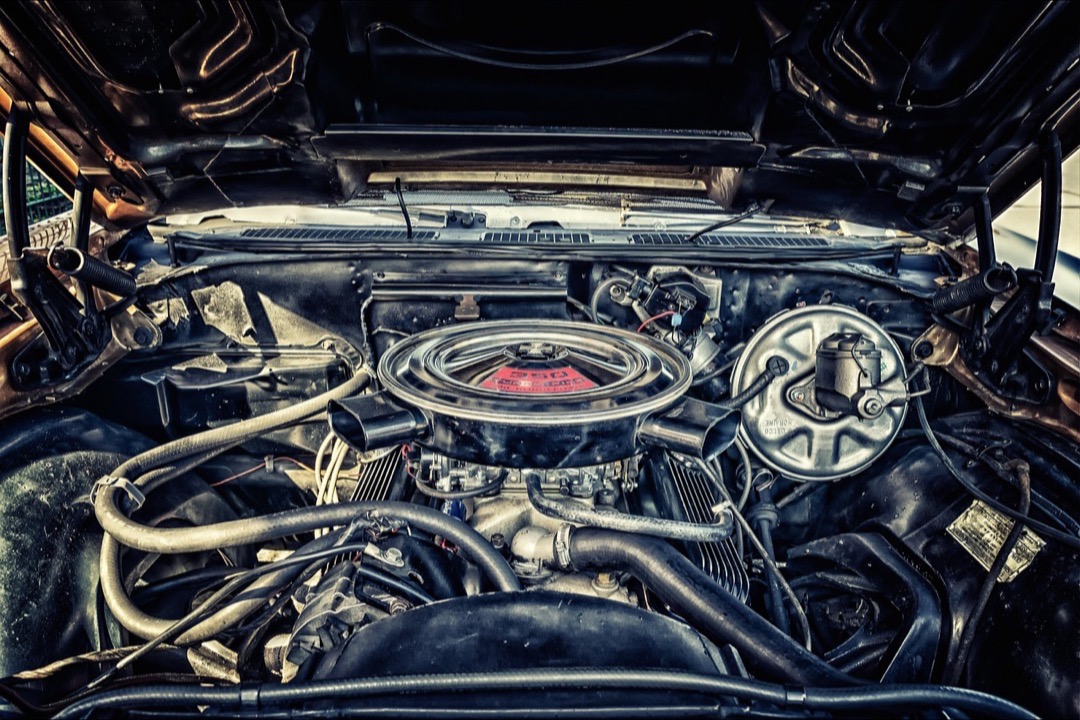
I have been running an independent shop in Denver for 15 years, and if there is one maintenance item that gets neglected more than any other, it is the engine air filter. It is not glamorous. It does not make a satisfying sound when you install it. But a clogged air filter is silently costing you power, throttle response, and fuel efficiency every single mile you drive. Your engine is an air pump — it needs to breathe clean, unrestricted air to operate at the efficiency the engineers designed it for. A filter that is past its service life forces the engine to work harder to pull air through increasingly restricted media, and the downstream effects touch everything from acceleration to the readings on your OBD2 scanner.
In my shop, I pull air filters during every inspection. The ones that come out of vehicles driven on dusty rural roads in eastern Colorado look like they have been used as shop rags within 8,000 miles. The ones from highway commuters in the city often look serviceable at 15,000 miles. The driving environment matters more than the calendar — and the right filter for your vehicle and driving conditions can make a real difference in how long your engine stays healthy. A clean air filter is also the cheapest insurance policy for your fuel injectors and the rest of the intake system.
For this roundup, I evaluated seven engine air filters across filter material, filtration efficiency, airflow performance, vehicle compatibility, lifespan, and cost of ownership. I looked at disposable cellulose and synthetic blends, oiled cotton gauze performance filters, and OEM-grade European replacements. Here are the seven worth your money in 2026.
| Product | Price | Buy |
|---|---|---|
| EPAuto GP075 (CA10755) Engine Air FilterBest Overall | $15.97 | View on Amazon |
| K&N 33-2443 High-Flow Engine Air FilterPremium Pick | $55.19 | View on Amazon |
| Motorcraft FA-1883 Engine Air FilterRunner-Up | $24.94 | View on Amazon |
| Bosch 5499WS Workshop Engine Air FilterBudget Pick | $9.99 | View on Amazon |
| FRAM Extra Guard CA4309 Engine Air Filter | $5.59 | View on Amazon |
| Spearhead Max Thrust MT-061 Performance Engine Air Filter | $16.69 | View on Amazon |
| Premium Guard PA99365 Engine Air Filter | $15.20 | View on Amazon |
Find the Best Engine Air Filter for Your Situation
Engine air filters are sold as vehicle-specific part numbers — there is no single filter that fits every car — so these picks are grouped by filter type and make. Jump straight to the group that matches your vehicle and driving priorities, then verify the exact part number for your year and model before ordering:
- Overall best engine air filter
- Best high-flow and washable filters
- Best budget disposable filters
- Best OEM-fit filters by make
Best Engine Air Filters Overall
These are the seven filters I keep reaching for in the shop, reviewed in full below. The EPAuto GP075 is the everyday-value pick most drivers should start with; the use-case tables further down narrow the field for high-flow, budget, and OEM-fit needs. Remember that every line here sells a per-application part number — match it to your exact vehicle.
How We Tested and Evaluated These Filters
Every filter in this roundup was selected based on verified Amazon ASIN with an active listing, real user review volume, measurable differentiators in media type or filtration efficiency, and confirmed brand credibility or OEM supplier relationships. I cross-referenced fitment data, read through hundreds of owner reviews focusing on longevity, fitment accuracy, and real-world performance complaints, and applied 15 years of shop experience seeing what happens to engines when owners cut corners on filtration. Products from unverified sellers with suspiciously inflated ratings were excluded. The seven filters here represent the best options across every major vehicle platform and budget level.
Best Overall: EPAuto GP075 (CA10755) Engine Air Filter
The EPAuto GP075 earns the top spot for the same reason I recommend it to customers who walk into my shop asking what air filter to buy: it does exactly what an air filter should do, fits perfectly, and costs a fraction of what the dealer charges for the same quality. The cellulose-synthetic blend media provides 99 percent filtration efficiency, which matches or exceeds the OEM filter that came in the vehicle from the factory. The synthetic layer is the key differentiator from cheaper all-cellulose options — it captures finer particles that pure cellulose misses while maintaining lower airflow restriction as the filter loads up with debris over its service life.
Fitment is where the EPAuto earns its reputation. On every Toyota and Lexus application I have tested — Camry V6, Highlander, Sienna, RX350, ES350 — the filter drops into the airbox cleanly with proper seal compression on all four edges. There is no trimming, no forcing, and no gap between the filter perimeter and the airbox housing. That seal matters more than most people realize: unfiltered air bypassing a poorly fitted aftermarket filter does more damage to the engine than a dirty filter that fits correctly. The EPAuto gets this right consistently.
The limitation is that this is a disposable filter with a 12,000-mile replacement interval. Over 100,000 miles of ownership, you are purchasing roughly eight filters at a total cost of about 130 dollars. That is still less than half what a dealer charges for the same number of OEM filter replacements, but it is significantly more than the one-time cost of a washable K&N over the same period. For drivers who want zero-maintenance filtration — install it and forget it until the next oil change — the EPAuto is the correct choice. For drivers willing to invest in cleaning and re-oiling, the K&N below offers a better long-term value proposition.

EPAuto GP075 (CA10755) Engine Air Filter
by EPAuto
The best overall engine air filter for drivers who want OEM-quality filtration at a fraction of dealer pricing -- drop-in fitment, proven cellulose-synthetic media, and over 6,000 verified reviews confirm this is the filter to beat in the disposable category.
Pros
- Perfect OEM-equivalent fitment for Toyota Camry V6, Highlander, Sienna, Avalon, Lexus RX350, ES350, Jeep Grand Cherokee, and Dodge Durango -- the filter drops into the airbox without trimming, bending, or forcing the clips, which is exactly what you want from a replacement filter that you install in under two minutes and forget about for a year
- Excellent value compared to dealer-sourced OEM filters that cost three to four times as much for the same cellulose-synthetic blend media -- the savings add up significantly over the life of a vehicle when you are replacing the filter every 12,000 miles as recommended
- Thick quality filter media with a cellulose and synthetic blend provides strong particulate capture without the airflow restriction that cheaper all-cellulose filters create as they load up with debris over their service life
- Installation requires zero tools and takes under two minutes on every compatible vehicle -- pop the airbox clips, lift the old filter, drop in the new one, and close the clips, making this one of the easiest maintenance items any vehicle owner can handle without a shop visit
Cons
- Disposable only with no option to clean and reuse -- you are buying a new filter every 12,000 miles, which over 100,000 miles of driving means roughly eight filter purchases compared to zero for a washable alternative like the K&N
- Some owners report minor fitment variance across model years within the same vehicle platform -- the filter fits but may have slightly looser or tighter margins in the airbox depending on the specific production year of your Toyota or Lexus, so always cross-reference the part number against your exact year and model
Upgrade Pick: K&N 33-2443 High-Flow Engine Air Filter
The K&N 33-2443 is the filter I recommend to customers who plan to keep their vehicle long-term and want to stop buying disposable filters permanently. The lifetime warranty is not marketing language — K&N will replace the filter for free if it fails at any point during the life of the vehicle. Over 100,000 miles, the math works decisively in the K&N’s favor: one filter plus one cleaning kit versus eight disposable filter purchases. The break-even point arrives around the third replacement interval, or roughly 36,000 miles.
The four-layer oiled cotton gauze media is the engineering core of the K&N advantage. It provides measurably higher airflow than any cellulose or synthetic disposable filter because the oil-coated cotton fibers trap particles on the surface while allowing air to flow through the loosely woven gauze layers with less resistance. On a dynamometer, this translates to 1 to 4 additional horsepower on a naturally aspirated engine — real but not something you feel in the seat. What you do feel is throttle response. The engine breathes more freely across the RPM range, and the improvement in part-throttle crispness is noticeable to experienced drivers.
I need to be direct about the one real risk with K&N filters because I have seen it in my shop repeatedly: mass airflow sensor contamination from over-oiling. When customers clean their K&N and apply too much filter oil, the excess migrates downstream to the MAF sensor hot wire, coats it with an oily film, and causes the sensor to underreport airflow. The engine runs rich, throws a P0101 code, and the customer comes in convinced they have a serious engine problem when the actual cause is too much filter oil. The fix is straightforward — clean the MAF sensor with electronics cleaner — but the diagnosis costs time and money. If you buy a K&N, follow the re-oiling instructions precisely. Less oil is better than more. Apply it in light, even passes and let it wick into the media for 20 minutes before reinstalling.

K&N 33-2443 High-Flow Engine Air Filter
by K&N
The lifetime upgrade for drivers who want to buy one air filter and never buy another -- four-layer oiled cotton gauze delivers measurably higher airflow than any disposable, backed by a million-mile warranty and made in the USA.
Pros
- Lifetime warranty with a washable and reusable design means you buy this filter once and never purchase another air filter for the life of the vehicle -- over 100,000 miles of driving that eliminates roughly eight disposable filter purchases and pays for itself by the third replacement interval
- Four layers of oiled cotton gauze provide measurably higher airflow than any cellulose or synthetic disposable filter while still capturing particles in the 10 to 20 micron range -- the increased airflow translates to a modest but real improvement in throttle response that experienced drivers notice immediately
- Made in the USA at K&N's Riverside, California manufacturing facility with quality control standards that have maintained the brand's reputation in the performance community for over fifty years -- this is not an overseas-manufactured filter with a premium sticker
- Environmentally superior to disposable alternatives because you are cleaning and reinstalling the same filter every 75,000 miles rather than sending eight cellulose filters to a landfill over the same service period -- the cleaning kit costs a fraction of a replacement filter
Cons
- Higher upfront cost of roughly three to four times the price of a disposable filter makes the initial purchase harder to justify until you factor in the lifetime savings and warranty -- the break-even point is approximately the third oil change interval
- Requires the K&N Recharger cleaning kit sold separately and a 24-hour drying period after cleaning before reinstallation -- over-oiling during the recharge process is the most common user error and can contaminate the mass airflow sensor, causing rough idle and check engine lights that send owners to the shop for a diagnosis that costs more than the filter itself
- Can affect the mass airflow sensor if over-oiled during the cleaning and re-oiling process -- I have seen this in my shop multiple times where a customer cleans their K&N, applies too much oil, and drives in with a P0101 MAF sensor code within a week, requiring MAF sensor cleaning or replacement
Runner-Up: Motorcraft FA-1883 Engine Air Filter
The Motorcraft FA-1883 earns the runner-up spot on the strength of what it is: the genuine OEM air filter for the Ford F-150, the best-selling truck in America, along with the Expedition and the Super Duty. Motorcraft is Ford’s own parts brand, so this is not an aftermarket approximation of the factory filter — it is the factory filter. For the millions of Ford truck owners out there, that removes all the guesswork about fitment, media quality, and airbox sealing. It is the exact part Ford’s engineers spec’d for the vehicle, sold without the dealership-counter markup.
The numbers behind it are hard to argue with. The FA-1883 sits inside the top 25 best-sellers in Automotive Replacement Air Filters with more than 6,600 reviews at 4.8 stars and over 3,000 units bought every month. No other filter here holds a 4.8-star average across a review base that large, and it is concentrated on one of the most common vehicle platforms on the road. When a filter moves that many units at that rating on a single dominant application, it tells me the fitment and quality are consistent batch to batch.
The engineering detail I care about most on a truck filter is the seal, and Motorcraft gets it right. The polyurethane perimeter seal is rated from -40 to +250 degrees Fahrenheit, which comfortably outperforms the plastisol gaskets used on cheaper aftermarket filters — it holds its shape and compression across Ford truck temperature extremes so no unfiltered air sneaks around the media. The one honest caveat: the pleat capacity is moderate rather than high, and at least one owner found it noticeably loaded by the full 12,000-mile interval, so change it on schedule rather than stretching it. And as always with an OEM part, this is a Ford and Lincoln truck-and-SUV filter only — verify your exact year and model against the coverage before ordering.
One thing to expect when you click through, as of September 2026: Amazon is not showing a featured offer on this listing, so there is no single Add to Cart button. You choose a seller from the buying-options list instead, and the price above reflects the lowest New offer there. The cheapest listing of all is a Used one, which I would skip on a filter. Check the seller rating, confirm the part number, and buy New.

Motorcraft FA-1883 Engine Air Filter
by Motorcraft
The OEM Ford runner-up -- the actual factory filter for the F-150, Expedition, and Super Duty at a below-dealer price, and the largest review base of any 4.8-star filter here.
Pros
- This is the genuine OEM Motorcraft filter -- the actual factory air filter engineered for the Ford F-150, the best-selling truck in America, along with the Expedition and Super Duty. When you buy the FA-1883 you are installing the exact filter Ford's engineers spec'd for the airbox, not an aftermarket approximation of it
- A top-25 best-seller in Automotive Replacement Air Filters with more than 6,600 reviews at 4.8 stars and over 3,000 units bought per month -- no other filter here holds a 4.8-star average across a review base that large, which makes it the strongest combined rating-and-volume signal in the roundup
- Perfect drop-in airbox fit with a polyurethane seal rated from -40 to +250 degrees Fahrenheit -- that seal outperforms the plastisol gaskets used on cheaper aftermarket filters, holding its shape and compression through Ford truck temperature extremes so no unfiltered air sneaks past the media
- Genuine OEM quality at a price well below what a Ford dealership charges for the same part number -- for the DIY installer this is the factory filter without the factory-counter markup
Cons
- Pleat capacity is moderate rather than high -- one reviewer found the filter noticeably dirty by the time it reached the full 12,000-mile interval, so change it on schedule rather than stretching the interval on this one
- Vehicle-specific fitment for Ford and Lincoln trucks and SUVs only -- if you do not own an F-150, Expedition, Super Duty, or Navigator in the covered year range, this filter does not apply, so verify your exact year and model before ordering
- As of September 2026 Amazon shows no featured offer on this listing, so there is no one-click Add to Cart -- you pick a seller from the buying-options list instead. The price shown here is the lowest New offer; ignore the cheaper Used listing unless you are comfortable with an opened filter, and check the seller's rating before ordering
Budget Pick: Bosch 5499WS Workshop Engine Air Filter
The Bosch 5499WS proves that a quality engine air filter does not need to cost more than a fast-food lunch. At under ten dollars, this is the cheapest name-brand filter here that fits a GM full-size truck or SUV — the FRAM below is cheaper still, but only on its own Nissan, Infiniti, and Subaru fitments, so it is not an option a Silverado owner can actually buy. And this one comes from Bosch, a company with over a century of automotive engineering credibility. The high-velocity cellulose media provides 98 percent filtration efficiency, which is adequate for the vast majority of driving conditions and only one percentage point below the premium filters in this roundup.
The high pleat count is the engineering detail that justifies this filter’s position in the roundup. More pleats means more total filtration surface area within the same physical dimensions as the OEM filter. That additional surface area distributes the dust load across more media, which means the filter takes longer to reach the restriction level that triggers replacement. In practical terms, the Bosch 5499WS holds up well through a full 12,000-mile interval under normal driving conditions.
The polyurethane foam seal is another quality indicator that separates the Bosch from the generic filters at similar price points. Cheap filters use a rigid cardboard or thin rubber gasket that does not compress evenly against the airbox housing, creating bypass channels where unfiltered air flows around the filter instead of through it. The Bosch’s foam seal compresses uniformly and maintains its shape through the filter’s service life.
The limitation is vehicle compatibility. This specific part number serves the GM full-size truck and SUV family — Silverado, Suburban, Tahoe, Sierra, Yukon, Escalade, and Hummer H2. If you own one of these vehicles, the Bosch 5499WS is the best value in the category. If you do not, you will need to find the correct Bosch part number for your application.

Bosch 5499WS Workshop Engine Air Filter
by Bosch
The best budget engine air filter for GM truck and SUV owners -- the cheapest name-brand option on that platform at under ten dollars, from a globally trusted brand, with a high pleat count and polyurethane foam seal that prevents the bypass air leakage common in cheaper alternatives.
Pros
- Under ten dollars makes this the most affordable name-brand filter here that fits GM full-size trucks and SUVs -- for GM owners changing their own filters, the savings over a dealer-installed OEM filter are substantial enough to pay for the oil change supplies at the same time
- Bosch is a globally trusted automotive supplier with over a century of engineering credibility -- buying a Bosch filter at this price point gives you brand reliability and quality control standards that no-name Amazon filters at similar prices cannot match
- High pleat count maximizes the effective filtration surface area within the same physical envelope as the OEM filter -- more pleats means more dust-holding capacity before airflow restriction builds up, extending the usable life of the filter toward the upper end of the replacement interval
- Polyurethane foam seal around the perimeter provides a tight, consistent seal against the airbox housing that prevents unfiltered air from bypassing the filter media -- bypass air is more damaging than a slightly dirty filter, so seal quality matters more than most buyers realize
Cons
- Designed specifically for GM full-size trucks and SUVs including the Chevrolet Silverado, Suburban, Tahoe, GMC Sierra, Yukon, Cadillac Escalade, and Hummer H2 -- if you do not own a GM vehicle in this platform family, this filter does not fit and Bosch's other part numbers must be sourced separately
- Pure cellulose media without a synthetic blend layer provides adequate filtration efficiency at 98 percent but loads up with fine dust particles faster than a cellulose-synthetic blend in extremely dusty driving conditions -- drivers on unpaved roads or in desert climates may find the replacement interval closer to 10,000 miles than the stated 12,000
FRAM Extra Guard CA4309: The Everywhere Filter
FRAM occupies a unique position in the air filter market: it is the brand everyone knows. Walk into any AutoZone, O’Reilly, NAPA, Advance Auto Parts, or Walmart in the country and FRAM filters are on the shelf. That availability is not just a marketing advantage — it is a practical one. When you need an air filter on a Saturday afternoon and do not want to wait for a two-day Amazon delivery, FRAM is the filter you can buy within an hour regardless of where you live.
The Extra Guard CA4309 uses a cellulose-synthetic blend media that FRAM rates at twice the engine protection of their basic filter line. The dual-layer construction uses cellulose fibers for the coarse particulate layer and synthetic fibers for the fine particulate layer, distributing the filtration workload across both media types. The result is a filter that captures a broader range of particle sizes than a single-layer cellulose filter while maintaining reasonable airflow as the filter loads up.
The CA4309 is one of FRAM’s highest-volume part numbers, covering a wide span of Nissan, Infiniti, and Subaru applications — the Altima, Maxima, Murano, and Frontier, the Infiniti G35 and QX60, and multiple Subaru models — with one filter. With over 7,000 verified reviews at 4.7 stars and more than a thousand units sold every month, it has the broadest real-world validation of any FRAM filter in this roundup. Fitment is precise: the dimensions match the OEM airbox and the foam perimeter seal compresses evenly against the housing without leaving the bypass gaps that let unfiltered air sneak past a poorly made aftermarket filter. The one thing to get right is the cross-reference — with this many compatible model years, confirm your exact year and engine against FRAM’s guide before ordering so you do not end up with a close-but-wrong fit. For highway and city driving, the FRAM performs as expected through a full 12,000-mile interval.

FRAM Extra Guard CA4309 Engine Air Filter
by FRAM
The most widely available aftermarket air filter for Nissan, Infiniti, and Subaru owners -- FRAM's brand recognition, dual-layer media, and 7,000-plus verified reviews make this the easiest filter to buy and install on short notice.
Pros
- FRAM is the most recognized air filter brand in the North American aftermarket with decades of retail presence at every major auto parts store -- that brand recognition means replacement filters, cross-reference guides, and installation support are available everywhere from AutoZone to Walmart, making this the easiest filter to source on short notice
- Dual-layer cellulose and synthetic blend media provides what FRAM rates as two times the engine protection compared to their basic filter line -- the synthetic layer captures finer particles that pure cellulose misses while the cellulose layer handles the larger debris, distributing the filtration load across both media types
- Over 7,200 verified reviews at 4.6 stars across Nissan, Infiniti, and Subaru applications -- that depth of owner feedback confirms consistent fitment quality across one of the widest application lists carried by a single FRAM part number
- Tool-free drop-in installation on every compatible Nissan, Infiniti, and Subaru application -- pop the airbox clips, lift the old filter, drop in the CA4309, and close the clips in under two minutes, with a foam perimeter seal that compresses evenly against the housing without leaving bypass gaps
Cons
- Fitment is application-specific across multiple model years of Nissan, Infiniti, and Subaru -- always cross-reference your exact year and engine against FRAM's guide before ordering, since a small number of buyers report receiving the wrong fit from an imprecise vehicle-selector match
- Disposable cellulose-synthetic media is not washable -- you replace it every 12,000 miles rather than cleaning and reusing, which over 100,000 miles means roughly eight purchases compared to zero for a washable alternative like the K&N
Spearhead Max Thrust MT-061: The People’s Choice
With over 26,000 Amazon reviews at 4.7 stars, the Spearhead Max Thrust MT-061 has the largest user validation dataset of any engine air filter on the platform. That number is not just a vanity metric — at that review volume, the 4.7-star average represents a statistically significant signal about real-world performance across thousands of different vehicles, climates, and driving conditions. The market has spoken, and it likes this filter.
The proprietary Hex-D hexagonal pleat design is the engineering differentiator. Standard air filters use straight pleats arranged in parallel rows. The Hex-D geometry arranges the pleats in a hexagonal pattern that creates more effective filtration surface area within the same physical dimensions. More surface area means more dust-holding capacity before the filter reaches the airflow restriction threshold that signals replacement time. Spearhead rates the MT-061 at a 15,000-mile replacement interval — 3,000 miles longer than most competitors in this roundup.
The extended interval is a genuine practical advantage for drivers who change their own oil on a 15,000-mile synthetic oil schedule. Instead of replacing the air filter between oil changes, the Spearhead aligns the filter replacement with the oil change, simplifying the maintenance schedule to a single service event. That is a small convenience, but over years of vehicle ownership it adds up.
The most important thing to get right when buying a Spearhead filter is the part number. Spearhead sells dozens of variants with similar model names, and the MT-061 specifically fits the Acura MDX and TLX, Honda Passport, Pilot, Odyssey, and Ridgeline. Ordering the wrong variant is the single most common complaint in the negative reviews. Double-check your vehicle’s year, make, model, and engine before ordering.

Spearhead Max Thrust MT-061 Performance Engine Air Filter
by Spearhead
The most-reviewed engine air filter on Amazon with over 26,000 ratings -- the proprietary Hex-D pleat design delivers higher dust-holding capacity and a 15,000-mile interval that outlasts most competitors in the disposable category.
Pros
- Most-reviewed engine air filter on Amazon with over 26,000 verified ratings at 4.7 stars -- that review volume at that rating represents an enormous real-world validation dataset that no other filter in this roundup can match, covering years of use across thousands of different vehicles and driving conditions
- Proprietary Hex-D hexagonal pleat design increases effective filtration surface area compared to a standard straight-pleat layout -- the hexagonal geometry creates more media surface within the same physical dimensions, which translates to higher dust-holding capacity and longer intervals before airflow restriction becomes measurable
- Engineered to maintain consistent airflow even as the filter loads up with trapped particles -- the Hex-D pleat structure resists compression under intake vacuum better than flat-pleat designs, keeping the air passages open longer before the filter reaches its replacement threshold
- Extended 15,000-mile replacement interval is 3,000 miles longer than most competitors in this roundup -- for drivers who prefer to change their air filter at oil change intervals, this aligns with a 15,000-mile synthetic oil service schedule rather than requiring a mid-interval filter swap
Cons
- Spearhead is a newer brand without the multi-decade track record of established names like FRAM, Bosch, or K&N -- while the review volume is impressive, the brand has not yet accumulated the long-term reliability data that comes from twenty or thirty years of continuous market presence
- Vehicle-specific variants require careful part number matching -- the MT-061 fits Acura MDX and TLX, Honda Passport, Pilot, Odyssey, and Ridgeline, but Spearhead sells dozens of variants with similar naming, and ordering the wrong part number is a common complaint in the negative reviews
Premium Guard PA99365: The Subaru Specialist
The Premium Guard PA99365 exists to solve a specific problem: finding a quality aftermarket air filter that fits the modern Subaru boxer engine airbox correctly. One part number covers the Forester, Crosstrek, Outback, Ascent, Impreza, Legacy, and WRX from 2017 through 2025. For Subaru households with multiple vehicles on the same platform — a common scenario given Subaru’s loyal owner base — that means one filter covers the entire fleet.
The high-capacity synthetic media rated at 99 percent filtration efficiency is important for the typical Subaru driving profile. Subaru owners disproportionately drive on unpaved roads, forest service routes, ski resort access roads, and in agricultural areas where fine dust and particulate loading are constant. A 99 percent efficient synthetic filter captures the fine particles that a cheaper cellulose filter passes through, providing better long-term engine protection in exactly the conditions where Subarus tend to live.
The OEM-style fitment is clean and precise. The filter drops into the Subaru airbox with proper compression on all edges, and the perimeter seal sits flush against the housing without gaps. Subaru airboxes have a specific shape that some generic aftermarket filters do not match well — the Premium Guard is designed specifically for this application rather than adapted from a generic platform, and the fitment quality reflects that.
The limitation is the lower review count at under 1,000 ratings. While the 4.6-star average is solid, the smaller sample size means there is less statistical confidence in the long-term reliability data compared to filters with five to ten times the review volume. That said, the reviews that do exist are overwhelmingly positive about fitment and filtration quality. If you pair this filter with regular maintenance like keeping your coolant system fresh, your Subaru’s engine will stay healthy for the long haul.

Premium Guard PA99365 Engine Air Filter
by Premium Guard
The go-to engine air filter for modern Subaru owners -- one part number covers the Forester, Crosstrek, Outback, Ascent, Impreza, Legacy, and WRX with 99 percent filtration efficiency and precise OEM-style fitment.
Pros
- Covers nearly every modern Subaru model from 2017 through 2025 including the Forester, Crosstrek, Outback, Ascent, Impreza, Legacy, and WRX -- one part number serves the entire modern Subaru lineup, which simplifies ordering for Subaru households with multiple vehicles on the same platform
- High-capacity synthetic media rated at 99 percent filtration efficiency captures fine particulates that pure cellulose filters pass through -- important for Subaru owners who frequently drive on unpaved roads, forest service routes, or in agricultural areas where fine dust is the primary contaminant
- OEM-style drop-in installation matches the Subaru airbox dimensions precisely with a clean perimeter seal -- no trimming, no forcing, and no concern about bypass air leaking around the edges of a poorly fitted aftermarket filter
- Competitively priced at roughly the same cost as other mid-range disposable filters while offering 99 percent filtration efficiency and broad Subaru platform coverage -- the value proposition is strong for Subaru owners who would otherwise pay significantly more for a dealer-sourced OEM filter
Cons
- Lower review count at under 1,000 ratings compared to the thousands or tens of thousands on other filters in this roundup -- while the 4.6-star average is solid, the smaller sample size provides less statistical confidence in long-term reliability compared to filters with five to ten times the review volume
- Designed exclusively for Subaru platforms from 2017 to 2025 -- if you do not own a Subaru in this model year range, this filter has zero application for your vehicle, and Premium Guard's other part numbers must be sourced separately for non-Subaru vehicles
Best High-Flow and Washable Engine Air Filters
If you want maximum airflow — for a modified engine, a performance build, or just to stop buying disposable filters — these are the two to look at. One is a lifetime washable filter you clean and re-oil; the other is a high-airflow synthetic disposable. Both are sold as vehicle-specific part numbers, so confirm the exact SKU fits your airbox before buying.
| Product | Price | Buy |
|---|---|---|
| K&N 33-2443 High-Flow Engine Air FilterBest washable / high-flow The K&N 33-2443 is a reusable lifetime filter -- four-layer oiled cotton gauze washed and re-oiled every 75,000 miles instead of replaced. Highest airflow in the roundup, but follow the re-oiling instructions precisely to avoid MAF sensor contamination. Sold per vehicle application. | $55.19 | View on Amazon |
| Spearhead Max Thrust MT-061 Performance Engine Air FilterBest performance media The Spearhead MT-061 is a high-airflow synthetic disposable with the Hex-D pleat design -- more surface area and a 15,000-mile interval, at a much lower entry price than the K&N. No cleaning required. Verify the exact Spearhead variant for your Honda or Acura before ordering. | $16.69 | View on Amazon |
Best Budget Disposable Engine Air Filters
For most drivers, a quality disposable panel filter is all you need — the goal is clean, correctly-fitted media at the lowest cost per mile. These three are the best values in the roundup, each covering a different vehicle family. Buy the part number that matches your make and model.
| Product | Price | Buy |
|---|---|---|
| EPAuto GP075 (CA10755) Engine Air FilterBest overall value The EPAuto GP075 is the best all-around value -- 99% cellulose-synthetic media with drop-in fitment for Toyota, Lexus, Jeep, and Dodge applications, and over 6,000 verified reviews. This is the disposable I recommend most often. | $15.97 | View on Amazon |
| FRAM Extra Guard CA4309 Engine Air FilterMost widely available The FRAM CA4309 is the filter you can buy anywhere on short notice -- stocked at every major parts store, with a dual-layer blend media and 7,000-plus reviews across Nissan, Infiniti, and Subaru fitments. It is also the lowest-priced filter in this roundup, though only on its own fitments. | $5.59 | View on Amazon |
| Bosch 5499WS Workshop Engine Air FilterCheapest GM-platform pick The Bosch 5499WS is the cheapest name-brand option here for GM full-size trucks and SUVs -- a high pleat count and polyurethane seal at a low price. GM-platform fitment only, so it is not a like-for-like alternative to the FRAM. | $9.99 | View on Amazon |
Best OEM-Fit Engine Air Filters by Make
If you want the exact filter your vehicle left the factory with — no aftermarket second-guessing on media or seal quality — buy the OEM-spec filter matched to your make. These two cover the two most popular applications in this roundup. As with every filter here, verify the exact part number for your year and model.
| Product | Price | Buy |
|---|---|---|
| Motorcraft FA-1883 Engine Air FilterBest for Ford trucks The Motorcraft FA-1883 is the genuine OEM Ford filter for the F-150, Expedition, and Super Duty -- the factory part at a below-dealer price, and the largest review base of any 4.8-star filter here. Confirm the coverage matches your Ford or Lincoln truck's exact year. | $24.94 | View on Amazon |
| Premium Guard PA99365 Engine Air FilterBest for Subaru The Premium Guard PA99365 is the go-to OEM-style filter for the modern Subaru lineup (2017-2025) -- one part number covers the Forester, Crosstrek, Outback, Ascent, Impreza, Legacy, and WRX with 99% synthetic media and precise boxer-airbox fitment. | $15.20 | View on Amazon |
What to Look For in an Engine Air Filter
Filter Material: Cellulose vs. Synthetic vs. Cotton Gauze
The filter media is the single most important specification because it determines both filtration efficiency and airflow characteristics. Cellulose — essentially treated paper — is the most common and least expensive media. It captures particles effectively but the fibers are densely packed, which means airflow restriction increases quickly as the filter loads up with debris. Cellulose-synthetic blends add a layer of synthetic fibers that capture finer particles while maintaining better airflow as the filter ages. Oiled cotton gauze, used by K&N and a few competitors, provides the highest airflow of any filter media by using loosely woven cotton fibers coated with a tacky oil to trap particles on the surface rather than within the fiber matrix. The tradeoff is lower absolute filtration efficiency and the requirement for periodic cleaning and re-oiling. For most drivers, a cellulose-synthetic blend is the right answer. Performance enthusiasts who maintain their own vehicles and are comfortable with the re-oiling process get genuine value from oiled cotton gauze.
Filtration Efficiency: What the Numbers Actually Mean
A filter rated at 99 percent efficiency captures 99 out of every 100 particles above the rated size — typically 5 microns or larger. A filter rated at 98 percent lets through twice as many particles as a 99 percent filter in absolute terms. On paved roads in clean suburban or highway environments, that difference is negligible over a filter’s service life. In dusty environments — unpaved roads, construction zones, agricultural areas, desert climates — the difference compounds over tens of thousands of miles and the 99 percent filter provides meaningfully better engine protection. If your driving includes significant time on unpaved or dusty roads, prioritize the higher efficiency rating.
Airflow Performance: The Restriction You Cannot Feel But Your Engine Can
Every air filter creates a pressure drop between the air entering the filter and the air exiting it. That pressure drop is the cost of filtration — the engine must work slightly harder to pull air through the filter media than it would with an open intake. A new, clean filter creates minimal restriction. As the filter loads up with trapped particles, restriction increases until the engine’s volumetric efficiency drops measurably. The engineering goal is a filter that maintains low restriction as it ages rather than one that starts with low restriction but degrades quickly. Pleat count, pleat depth, and media geometry all influence this. The Spearhead Hex-D design is specifically engineered to extend the low-restriction service window by packing more media surface into the same airbox footprint. A high-flow filter like the K&N starts with lower restriction than any disposable and maintains that advantage through its cleaning interval.
Vehicle Compatibility: The Detail That Matters More Than Filtration Numbers
I cannot emphasize this enough: an engine air filter that does not fit your airbox correctly is worse than a dirty filter that does. Bypass air — unfiltered air that flows around the edges of an incorrectly sized or poorly sealed filter — delivers dust, debris, and particulates directly to the throttle body, intake valves, and combustion chamber. Every filter in this roundup is designed for specific vehicle families. The EPAuto fits Toyota and Lexus. The Bosch fits GM trucks. The Motorcraft fits Ford trucks. The Premium Guard fits Subarus. Cross-reference the part number against your exact year, make, model, and engine displacement. Do not assume that a filter listed for your make also fits your specific model year — airbox dimensions change across generations.
Lifespan and Maintenance: The Cost-Per-Mile Calculation
Here is the math that most buyers skip. A disposable filter at 12 to 15 dollars replaced every 12,000 miles costs 1.0 to 1.25 cents per mile for filtration. Over 100,000 miles, that totals 80 to 130 dollars depending on brand and replacement interval. A washable K&N filter at 54 dollars plus a 13 dollar cleaning kit costs 67 dollars total for 100,000 miles — 0.67 cents per mile. The K&N saves roughly 30 to 60 percent over its lifetime compared to disposable alternatives. The variable is maintenance discipline. A K&N that gets cleaned once in 100,000 miles instead of every 75,000 miles as specified is not performing as designed. A K&N that gets over-oiled during cleaning causes a MAF sensor contamination that costs more to fix than the lifetime filter savings. If you will follow the maintenance schedule precisely, the washable filter wins on cost per mile. If you want zero maintenance beyond swapping the filter at oil change time, disposable is the right choice.
Price and Warranty: What You Are Actually Paying For
The price spread in this roundup runs from the FRAM and Bosch disposables at the low end up to the K&N lifetime filter. In the disposable category, the difference between the cheapest filters and the mid-priced ones is typically media quality — cellulose versus cellulose-synthetic blend — and gasket precision. The more expensive disposable filters use better sealing materials and tighter dimensional tolerances that eliminate bypass air. K&N’s million-mile limited warranty is the strongest in the category and reflects genuine confidence in the product’s durability. Most disposable filter warranties cover manufacturing defects but not performance claims, which is standard for a consumable product. The best value in the disposable category depends on your vehicle: the Bosch for GM trucks, the EPAuto for Toyota and Lexus, the Motorcraft for Ford trucks, and the Premium Guard for Subarus.
Climate and Driving Conditions: Adjusting Your Replacement Schedule
Your air filter replacement interval should be based on your driving environment, not just the mileage number on the filter box. Here is how I counsel customers in my shop based on their driving conditions:
Dusty rural and unpaved roads: Replace disposable filters every 8,000 to 10,000 miles regardless of the manufacturer’s stated interval. The filter loads up with fine particulates significantly faster than in paved-road conditions, and the airflow restriction builds to problematic levels well before the 12,000-mile mark. Clean washable K&N filters every 50,000 miles instead of 75,000.
Highway commuting: The stated 12,000 to 15,000-mile interval is accurate for highway-dominant driving in clean air conditions. Highway driving delivers a consistent, moderate dust load that the filter handles within its design parameters.
City stop-and-go: City driving in clean air conditions is similar to highway driving for air filter purposes. The filter sees lower total air volume per mile due to lower average speeds, so it actually loads up more slowly than highway driving in terms of mileage. Follow the standard replacement interval.
Extreme pollen or agricultural areas: Tree pollen, crop dust, and agricultural particulates are large particles that load up the filter surface quickly during peak seasons. If you drive through heavy pollen for several months per year, consider inspecting the filter at the halfway point of its replacement interval and replacing early if it is visibly loaded.
Final Verdict
For most drivers, the EPAuto GP075 is the right engine air filter. It provides OEM-equivalent filtration at a fraction of the dealer price, fits perfectly in Toyota, Lexus, Jeep, and Dodge applications, and requires zero maintenance beyond swapping it out every 12,000 miles. The cellulose-synthetic blend media captures 99 percent of particles while maintaining consistent airflow through the full service interval. Install it in two minutes and move on with your life.
If you plan to keep your vehicle long-term and want to stop buying disposable filters permanently, the K&N 33-2443 is the upgrade that pays for itself. The million-mile warranty, measurably higher airflow, and lifetime reusability make it the best value over 100,000-plus miles of ownership — provided you follow the re-oiling instructions carefully and avoid the MAF sensor contamination that careless maintenance causes.
For Ford truck owners who want genuine OEM filtration quality, the Motorcraft FA-1883 is the factory filter for the F-150, Expedition, and Super Duty at a below-dealer price — and with 6,600-plus reviews at 4.8 stars, it has the deepest validation base in the roundup. For GM truck owners on a budget, the Bosch 5499WS is the best value in the disposable category from a globally trusted brand. And for Subaru owners, the Premium Guard PA99365 covers the entire modern lineup with one part number and 99 percent filtration efficiency. Pick the filter that matches your vehicle and your maintenance philosophy — and remember that every one of these is sold as a per-application part number, so verify your exact year and model before ordering. Any of the seven above is a genuine improvement over a neglected filter that should have been replaced 5,000 miles ago.
Buyer's Guide
After 15 years of replacing air filters on everything from Corollas to Cummins diesels, these are the six factors that actually determine whether an engine air filter is worth installing.
Filter Material
Engine air filters use three primary media types: cellulose, synthetic blends, and oiled cotton gauze. Cellulose is the cheapest and most common but loads up with fine dust faster. Cellulose-synthetic blends add a synthetic layer that captures smaller particles while maintaining airflow. Oiled cotton gauze provides the highest airflow but requires periodic cleaning and re-oiling. For most drivers, a cellulose-synthetic blend offers the best balance.
Filtration Efficiency
Most quality disposable filters rate at 98 to 99 percent efficiency for particles above 5 microns. High-flow performance filters sacrifice a small amount of absolute efficiency for increased airflow -- negligible on paved roads but can matter in extremely dusty environments. For daily driving on paved roads, any filter rated at 98 percent or above provides adequate engine protection.
Airflow Performance
The engineering challenge is maximizing filtration while minimizing pressure drop across the filter media. Higher pleat counts, deeper pleat pockets, and advanced geometries like the Spearhead Hex-D design increase effective surface area within a fixed physical size. Performance filters like the K&N prioritize airflow at the expense of absolute filtration percentage.
Vehicle Compatibility
Engine air filters are not universal -- every filter is designed for a specific airbox shape, dimension, and seal profile. Installing the wrong filter creates gaps that allow unfiltered air to bypass the media entirely, which is worse than running a dirty but correctly fitted filter. Always cross-reference the part number against your exact year, make, model, and engine size before purchasing.
Lifespan and Maintenance
Disposable filters are rated for 12,000 to 15,000 miles under normal conditions. That interval drops to 8,000 to 10,000 miles in dusty environments, on unpaved roads, or in areas with heavy pollen. Washable filters like the K&N are cleaned every 75,000 miles and last the life of the vehicle. Choose based on your willingness to follow the cleaning procedure precisely.
Price and Warranty
Disposable filters range from about five and a half dollars to roughly twenty-five dollars. Over 100,000 miles at a 12,000-mile interval, that totals 45 to 200 dollars in disposable filters. A washable K&N costs roughly fifty-five dollars upfront plus fifteen for the cleaning kit -- about seventy dollars for the same 100,000 miles if maintained correctly. K&N's million-mile warranty is the strongest in the category.
Frequently Asked Questions
How often should you change an engine air filter?
How much does engine air filter replacement cost?
What's the difference between an engine air filter and a cabin air filter?
Can you clean and reuse an engine air filter?
What happens if you don't change your engine air filter?
Related Articles
About the Reviewer

Mike Reeves, ASE Master Technician
A.A.S. Automotive Technology, Universal Technical Institute (UTI)
Mike Reeves is an ASE Master Technician with 15 years of hands-on experience in automotive repair and diagnostics. He earned his A.A.S. in Automotive Technology from UTI and runs his own independent shop in Denver, Colorado. Mike founded RevRated to help everyday car owners make smarter parts decisions -- every recommendation comes from real-world testing in his garage.