9 Best Synthetic Motor Oils of 2026
Mike Reeves reviews the best synthetic motor oil of 2026. Compare full synthetic formulas by wear protection, oil change interval, viscosity grade, engine compatibility, and price per quart.
Updated
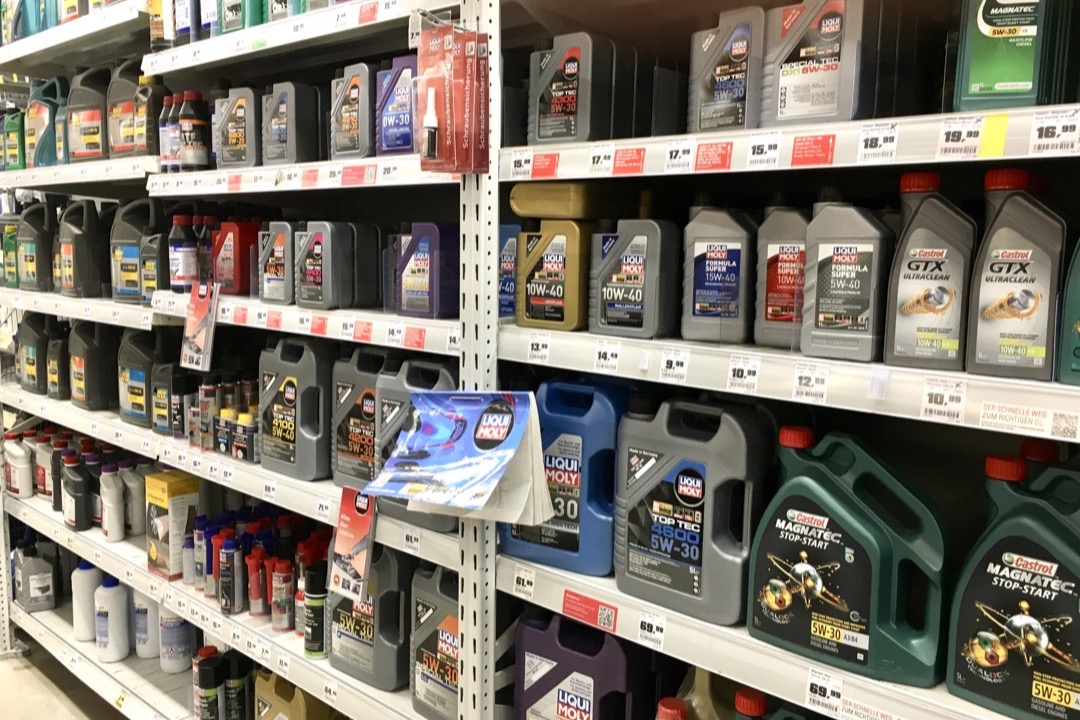
Your engine oil is the single most important consumable in your vehicle’s maintenance schedule. It is the one fluid that touches every moving component inside the engine — bearings, cam lobes, piston rings, valve train, timing chain — and the quality of that oil determines how much wear accumulates at each of those contact points over thousands of miles between changes. After 15 years as an ASE Master Technician, I have seen the inside of engines running premium synthetic on schedule and engines running whatever was cheapest whenever the owner remembered. The difference is not subtle, and it is not debatable.
This roundup covers nine full synthetic motor oils that represent the best options available on Amazon in 2026. Every product here carries at minimum an API SP certification, uses full synthetic base stocks, and has a verified review base large enough to confirm real-world performance across a range of engines and driving conditions. I have organized them by use case — best overall, budget, upgrade, runner-up, and application-specific picks — so you can match the right oil to your engine, your driving pattern, and your maintenance philosophy.
| Product | Price | Buy |
|---|---|---|
| Mobil 1 Advanced Full Synthetic Motor Oil 5W-30Best Overall | $31.97 | View on Amazon |
| Castrol GTX Full Synthetic Motor Oil 5W-30Budget Pick | $29.97 | View on Amazon |
| Castrol EDGE 5W-30 Advanced Full Synthetic Motor OilPremium Pick | $28.97 | View on Amazon |
| Mobil 1 High Mileage Full Synthetic Motor Oil 5W-30Runner-Up | $31.97 | View on Amazon |
| Valvoline Advanced Full Synthetic Motor Oil 5W-30 | $31.97 | View on Amazon |
| Pennzoil Ultra Platinum Full Synthetic Motor Oil 5W-30 | $58.52 | View on Amazon |
| Mobil 1 Extended Performance Full Synthetic Motor Oil 0W-20 | $35.97 | View on Amazon |
| Castrol EDGE 0W-20 Advanced Full Synthetic Motor OilRunner-Up | $31.97 | View on Amazon |
| Valvoline Advanced Full Synthetic 0W-20 Motor OilRunner-Up | $31.97 | View on Amazon |
Find the Best Synthetic Oil for Your Engine
Every oil below is reviewed once in full. The single most important thing is to buy the viscosity grade your owner’s manual specifies — use these jump links to go straight to the right grade or use case. If you are not sure your specified grade still covers the winter where you park, our free engine oil viscosity chart plots all six SAE winter grades against your coldest morning and shows which ones are actually tested to pump there.
- Overall best synthetic oils
- Best 5W-30 synthetic oil
- Best 0W-20 synthetic oil
- More: by engine & use case
How We Chose These Oils
Every oil in this roundup was selected based on a verified Amazon ASIN with an active listing, API SP or higher certification, a meaningful verified review base, and documented formulation data from the manufacturer. Store-brand and white-label synthetics without published base stock and additive package information were excluded — not because they are necessarily inferior, but because the inability to verify the formulation means the performance claim cannot be validated independently. The nine products here span the full range of consumer synthetic motor oil applications: standard daily driving, budget-conscious maintenance, high-performance and towing, high-mileage engines, extended drain intervals, and the modern 0W-20 grade in three certified options.
Best Synthetic Motor Oils Overall
Each oil is reviewed in full below, best pick first. After the reviews, the use-case sections group these same oils by the viscosity grade your engine specifies — 5W-30 or 0W-20 — plus a by-use-case table for high-mileage, towing, and budget needs, so you can match the oil to your engine without re-reading every review.
Best Overall: Mobil 1 Advanced Full Synthetic 5W-30
Mobil 1 earns the best overall position because it occupies the intersection of proven formulation, OEM validation, motorsport heritage, and consumer-scale review confirmation that no other oil in this roundup matches across all four dimensions simultaneously. The factory-fill relationships with General Motors, Honda, and Porsche are not marketing arrangements — they are engineering requirements. Before Mobil 1 goes into an engine on the assembly line, it must pass the manufacturer’s own dynamometer durability protocol, which is separate from and more demanding than the API certification tests. That level of validation is the strongest possible endorsement of a motor oil’s protective capability.
The API SP and SN Plus certifications address the LSPI concern that is specific to modern turbocharged engines. Low-speed pre-ignition is a destructive event where the fuel-air mixture ignites before the spark plug fires, generating pressure spikes that can crack piston ring lands and damage bearings. The SN Plus and SP specifications include additive requirements specifically targeting LSPI prevention, and Mobil 1 Advanced was among the first consumer oils certified to both. If you drive a turbocharged four-cylinder or V6 — which includes most vehicles sold after 2015 — this certification matters.
The cold-start performance is where Mobil 1’s synthetic base stock provides its most tangible daily benefit. The first 30 seconds after a cold start account for a disproportionate share of total engine wear because the oil has drained back to the sump overnight and must be pumped to every bearing surface, cam lobe, and valve train contact point before metal-to-metal wear begins. A 5W-30 synthetic that flows readily at minus-30 degrees Fahrenheit reaches those surfaces faster than a conventional or synthetic blend, and in cold climates that flow advantage is the difference between gradual wear accumulation and accelerated bearing degradation. Pair regular oil changes with a clean engine air filter and fresh coolant and you have covered the three most critical fluid maintenance items on any gasoline engine.

Mobil 1 Advanced Full Synthetic Motor Oil 5W-30
by Mobil 1
The OEM-trusted full synthetic benchmark -- NASCAR validated, factory-fill at multiple automakers, API SP/SN Plus certified with LSPI protection, and 7,400-plus reviews confirming the wear protection and cold-start performance that earned Mobil 1 its reputation over decades of production.
Pros
- Industry-leading wear protection validated by decades of OEM partnership with manufacturers including Porsche, Mercedes-AMG, and McLaren -- the same base stock and additive package that protects engines operating at sustained redline in professional motorsport protects your daily driver at highway cruise, which is the most direct real-world validation of lubricant durability available
- Excellent cold-start flow characteristics at minus-30 degrees Fahrenheit and below mean the oil reaches critical bearing surfaces, cam lobes, and valve train components faster during winter cold starts -- the first 30 seconds after ignition account for the majority of engine wear over a vehicle's lifetime, and cold-start viscosity performance is where Mobil 1 consistently outperforms conventional and synthetic blend alternatives in independent testing
- NASCAR technical partnership and factory-fill status at General Motors, Honda, and other OEMs reflects engineering validation at the highest level -- this is not a sponsorship sticker on a race car but a formulation requirement that the oil must pass engine dynamometer durability testing at the manufacturer's specifications before it earns factory-fill approval
- Turbocharged engine compatibility with documented protection against low-speed pre-ignition (LSPI) -- the API SP and SN Plus certifications specifically address the LSPI failure mode that affects modern downsized turbocharged engines, making Mobil 1 Advanced a safe choice for any turbo four-cylinder or V6 built in the last decade
Cons
- Not the lowest-priced full synthetic in this roundup -- Castrol GTX Full Synthetic undercuts Mobil 1 by two dollars per five-quart jug while delivering comparable API SP certification, which matters for budget-conscious owners performing their own oil changes on multiple vehicles
- 5W-30 viscosity grade does not cover the growing number of 2020-plus model-year vehicles specifying 0W-20 -- owners of newer fuel-efficient cars, many Toyotas, Hondas, and Subarus must check their owner's manual viscosity requirement before purchasing, as running 5W-30 in a 0W-20 engine can affect fuel economy and may void warranty coverage
Budget Pick: Castrol GTX Full Synthetic 5W-30
Castrol GTX Full Synthetic is the right answer for every owner whose primary question is “what is the best full synthetic I can buy for the least money without compromising on certification or brand reliability.” The API SP/GF-6A certification is identical to what Mobil 1 and Valvoline carry, the 4.8-star rating confirms real-world satisfaction at meaningful volume, and it undercuts both the Mobil 1 Advanced and the Valvoline Advanced 5W-30 by two dollars a jug. The savings are modest per change but compound across multiple vehicles and a full year of maintenance.
The 6X wear protection claim deserves context. Castrol publishes this figure relative to the API SP industry standard wear test limit — the maximum allowable wear measurement an oil can produce and still pass certification. Every oil in this roundup passes that test; Castrol GTX Full Synthetic passes it by a factor of six. This does not mean it provides six times more protection than Mobil 1 or Valvoline — it means the wear measurement in Castrol’s testing was one-sixth of the allowable limit, which is a meaningful margin of safety above the certification floor.
The anti-sludge formulation is the GTX line’s historical strength. Sludge — the thick, tar-like deposit that forms when oil oxidizes and contaminants accumulate — clogs oil passages, restricts flow to bearings, and accelerates wear throughout the engine. Severe service conditions including short trips, stop-and-go driving, and infrequent oil changes are the primary causes, and the GTX detergent and dispersant additive package is specifically formulated to keep those contaminants in suspension and out of the oil passages through the entire drain interval. For an owner who drives mostly short trips in city traffic, the anti-sludge formulation is a more relevant differentiator than any premium additive technology.

Castrol GTX Full Synthetic Motor Oil 5W-30
by Castrol
Two dollars a jug below the Mobil 1 and Valvoline 5W-30s here -- API SP/GF-6A certified, 6X wear protection over the industry standard, strong anti-sludge formulation, and a 4.8-star rating that confirms you are not sacrificing quality for the savings.
Pros
- Two dollars a jug below the Mobil 1 Advanced and Valvoline Advanced 5W-30s in this roundup -- the savings over Mobil 1 and Valvoline compound to meaningful annual savings for owners who change their own oil on multiple vehicles, and the API SP/GF-6A certification confirms the formulation meets the same industry specification as every premium competitor
- Castrol's published claim of 6X better wear protection than the API SP industry standard test limit is backed by their internal dynamometer testing protocol -- while every oil in this roundup meets or exceeds the API SP wear test, Castrol GTX Full Synthetic positions its additive package specifically against the standard test benchmark rather than against competitors, which gives a measurable reference point
- Strong anti-sludge formulation designed to keep oil passages and the crankcase clean through the full drain interval -- sludge formation is the primary failure mode of conventional oil in engines operated under severe service conditions including short trips, stop-and-go driving, and extreme temperature cycles, and the GTX line has been formulated against sludge since the conventional product era
- 4.8-star rating at 4,160 reviews on a relatively recent Amazon listing reflects the rapid consumer adoption of Castrol's full synthetic GTX line -- the high rating at meaningful volume indicates genuine satisfaction rather than early-adopter bias, and the Castrol brand carries 100-plus years of lubricant engineering credibility
Cons
- Not the premium EDGE line with Fluid Titanium Technology -- owners who want Castrol's highest-tier additive package for turbocharged, towing, or high-performance applications should step up to EDGE, which is also in this roundup, rather than expecting GTX Full Synthetic to deliver the same film strength under extreme loads
- No extended drain interval claim -- Castrol does not market GTX Full Synthetic for intervals beyond the manufacturer-recommended oil change schedule, which means owners looking for 15,000-plus mile intervals should consider Pennzoil Ultra Platinum or Mobil 1 Extended Performance instead
Upgrade Pick: Castrol EDGE 5W-30 Advanced Full Synthetic
Castrol EDGE is the oil I recommend when a customer asks what they should run in a turbocharged engine, a vehicle used for towing, or any application where the oil operates under sustained high load and high temperature. The Fluid Titanium Technology is Castrol’s proprietary answer to the film strength problem — under extreme pressure at bearing surfaces, the additive package physically strengthens the oil film at the molecular level, maintaining separation between metal surfaces where a standard additive package would allow the film to break down. This is not a marketing narrative; it is a measurable difference in film strength testing, and it is the reason EDGE sits a tier above GTX.
The 13,074-review base at 4.8 stars is one of the two deepest consumer validation datasets in this roundup, behind only the Valvoline Advanced 5W-30 below. At that volume, the rating reflects the collective experience of owners running EDGE in turbocharged four-cylinders, naturally aspirated V6s and V8s, vehicles towing trailers, and daily drivers in every climate zone. The breadth of reported use cases is what makes the rating meaningful — a 4.8 across 13,000-plus diverse applications is more informative than a 4.9 across 2,000 reviews in a single vehicle category.
The eco-pack format is a genuine innovation that deserves acknowledgment alongside an honest usability note. The bag-in-box design eliminates 70 percent of the plastic waste of a traditional jug, and it stores flat rather than taking up vertical space on the garage shelf. The trade-off is that the last half-quart in the bag can be difficult to dispense cleanly without tilting and squeezing, which adds 30 seconds of mess management to a DIY oil change. For the environmentally conscious owner or the shop that disposes of dozens of oil jugs monthly, the waste reduction is meaningful. For the owner who values pour convenience above all else, the traditional jug format of Mobil 1 or Valvoline is more practical.

Castrol EDGE 5W-30 Advanced Full Synthetic Motor Oil
by Castrol
The premium full synthetic for high-stress applications -- Fluid Titanium Technology delivers 3X stronger film under pressure, 13,000-plus reviews at 4.8 stars validate the turbo and towing performance claims, and the eco-pack format reduces plastic waste by 70 percent.
Pros
- Fluid Titanium Technology creates a physically stronger oil film under extreme pressure -- Castrol's proprietary additive changes the molecular structure of the oil under shear stress, maintaining film strength at contact points where conventional additive packages would allow metal-to-metal contact, and this is the technical distinction between EDGE and GTX that matters for high-load applications
- Eco Pack packaging uses 70 percent less plastic than traditional jugs -- the collapsible bag-in-box design reduces landfill waste and stores more compactly in the garage or shop, which is a genuine environmental and practical benefit that does not compromise the oil quality inside
- 13,074 Amazon reviews at 4.8 stars is one of the two deepest verified review corpora in this roundup, behind only the Valvoline Advanced 5W-30 -- the breadth of reported use cases spanning turbocharged four-cylinders, naturally aspirated V8s, and vehicles used for towing confirms cross-platform effectiveness rather than single-application success
- Turbo-safe and towing-rated formulation addresses the two highest thermal stress conditions a consumer engine encounters -- turbocharger bearing temperatures exceed 400 degrees Fahrenheit during sustained boost, and towing loads push oil temperatures well beyond normal cruise conditions, both of which demand the film strength that Fluid Titanium Technology is specifically engineered to maintain
Cons
- Availability runs thinner than the jug-format oils in this roundup -- Amazon has been quoting a multi-day ship estimate on the Eco Pack rather than shipping it the same week, so check the delivery date at checkout if you need the oil in hand for a weekend change
- Eco Pack bag-in-box format is less convenient for precise pouring than a traditional jug with a built-in spout -- some owners report that the last half-quart is harder to dispense cleanly, which matters during a DIY oil change where spill control affects cleanup time
Runner-Up: Mobil 1 High Mileage Full Synthetic 5W-30
Mobil 1 High Mileage is the most underappreciated product in this roundup and arguably the best value proposition for any vehicle over 75,000 miles. The 4.8-star rating across 10,364 reviews is the same average standard Mobil 1, Castrol EDGE, and Valvoline carry. That rating reflects a specific owner satisfaction pattern: high-mileage vehicle owners who switched to this product and experienced measurable improvement in oil consumption, leak reduction, or engine noise within the first drain interval.
The seal conditioner is the key differentiator. Every gasoline engine has dozens of elastomer seals — valve cover gaskets, cam seals, rear main seal, oil pan gasket, timing cover seal — that harden, shrink, and develop micro-cracks over years of heat cycling. These aged seals produce the weeping oil leaks that are nearly universal on engines over 100,000 miles. The seal conditioner additive in Mobil 1 High Mileage rejuvenates these elastomers by restoring flexibility and causing slight expansion that re-establishes the sealing surface. This is not a permanent repair — the seals will continue to age — but it is an effective and inexpensive intervention that can delay or eliminate the need for gasket replacement in many cases.
The boosted anti-wear additive package addresses the second reality of high-mileage engines: wider bearing clearances. As crankshaft bearings, connecting rod bearings, and cam journal surfaces wear over 100,000-plus miles, the clearances increase and the oil film must bridge a wider gap to prevent metal-to-metal contact. The enhanced additive package in High Mileage provides additional film strength and anti-wear chemistry to compensate for these wider clearances. At the same price as standard Mobil 1 Advanced, there is no financial reason to run the standard formula in a vehicle over 75,000 miles. If you are monitoring your engine health with an OBD2 scanner, watch for oil pressure readings that drop at idle — a sign that bearing clearances are opening up and a high-mileage formulation is the appropriate response.

Mobil 1 High Mileage Full Synthetic Motor Oil 5W-30
by Mobil 1
The high-mileage formulation at no price premium -- seal conditioners prevent high-mileage leaks, boosted anti-wear additives compensate for worn bearing surfaces, and the same price as standard Mobil 1 makes it the automatic choice for any engine over 75,000 miles.
Pros
- A 4.8-star rating across 10,364 reviews, the same average every other 5-quart synthetic in this roundup carries -- that rating at that volume reflects the specific satisfaction pattern of high-mileage vehicle owners who switched from conventional or synthetic blend oil and experienced measurable improvement in oil consumption, leak reduction, and engine noise
- Seal conditioner additive rejuvenates and swells aged elastomer seals -- the valve cover gaskets, rear main seal, cam seals, and oil pan gasket in engines with 75,000-plus miles develop micro-cracks and compression set that cause weeping oil leaks, and the seal conditioner addresses this without the cost and labor of gasket replacement
- Boosted anti-wear additive package over standard Mobil 1 Advanced compensates for the increased bearing clearances and worn surfaces in high-mileage engines -- wider clearances from normal wear allow more oil shear and higher contact pressure at bearing surfaces, and the enhanced additive package maintains protection where a standard formulation might not
- Same price as standard Mobil 1 Advanced at the five-quart jug level -- there is zero cost penalty for choosing the high-mileage formulation, which means any vehicle over 75,000 miles should be running this instead of the standard product as a matter of course
Cons
- Not necessary for newer or low-mileage engines -- the seal conditioner and boosted anti-wear additives are formulated for the wear patterns of high-mileage engines, and using this product in a 20,000-mile engine provides no measurable benefit over standard Mobil 1 Advanced while potentially over-conditioning seals that do not need it
- Available only in 5W-30 viscosity in the five-quart jug format on Amazon -- owners of high-mileage vehicles specifying 0W-20 or 5W-20 need to verify compatibility with their owner's manual before purchasing, as the 5W-30 viscosity may not be the correct grade for their engine
Valvoline Advanced Full Synthetic: Most-Reviewed on Amazon
Valvoline Advanced Full Synthetic owns the largest review dataset in this roundup at 13,648 ratings, and the sustained 4.8-star average across that volume is the most statistically robust quality signal available in the synthetic motor oil category on Amazon. At 13,000-plus reviews, the rating has survived every edge case — extreme climates, high-mileage engines, turbocharged applications, truck towing, and standard commuter duty — and maintained a 4.8. That consistency across the broadest range of reported use cases is what distinguishes Valvoline’s consumer validation from competitors with higher ratings on smaller sample sizes.
The 160-plus years of lubricant formulation heritage is not a sentimental talking point — it represents an additive research program and base stock evaluation capability that has been continuously refined since the era of steam engines. Valvoline’s formulation team has accumulated institutional knowledge about additive interactions, base stock behavior, and real-world failure modes that newer entrants to the synthetic oil market simply do not possess. The Advanced Full Synthetic product is the current expression of that accumulated knowledge in a consumer-grade API SP-certified formulation.
The practical differentiator for DIY oil changers is the jug design. The anti-glug spout maintains a controlled pour rate that prevents the gurgling surge that sends oil over the valve cover and onto the exhaust manifold — a universally annoying experience that stains the engine and fills the garage with burnt-oil smell for the next three drives. It is a small design detail that matters every 7,500 miles, and owners who have switched from a different brand’s jug frequently mention it in reviews. For the owner who wants a proven, heavily validated full synthetic from America’s oldest oil brand at a competitive price with a well-designed jug, Valvoline Advanced is the straightforward choice.

Valvoline Advanced Full Synthetic Motor Oil 5W-30
by Valvoline
The most-reviewed full synthetic in this roundup -- 13,648 ratings at 4.8 stars, 160-plus years of Valvoline formulation heritage, API SP-certified anti-wear protection, and an easy-pour jug that makes DIY oil changes cleaner.
Pros
- Most-reviewed full synthetic motor oil in this roundup at 13,648 ratings -- the review corpus spans virtually every gasoline engine application from four-cylinder commuters to full-size V8 trucks, and the sustained 4.8-star rating across that volume is the strongest statistical indicator of consistent cross-platform performance in this roundup
- Valvoline's heritage as the first commercially sold motor oil in America (1866) represents over 160 years of continuous lubricant formulation development -- the Advanced Full Synthetic product benefits from an additive research program that predates every competitor in this roundup, and the institutional knowledge accumulated over that timeline is reflected in the formulation consistency
- Anti-wear additives formulated specifically to exceed API SP test requirements provide documented protection against cam lobe, lifter, and bearing surface wear -- the additive package addresses the specific failure modes that cause engine noise, reduced compression, and eventual mechanical failure in high-mileage engines
- Easy-pour jug design with an integrated anti-glug spout is a practical advantage during DIY oil changes -- the controlled pour rate reduces spillage on the valve cover and exhaust manifold, which matters when working in a tight engine bay without a funnel
Cons
- No published extended drain interval claim -- Valvoline recommends following manufacturer-specified oil change intervals, which means owners looking for 15,000 or 20,000-mile drain intervals based on the oil alone should consider Pennzoil Ultra Platinum or Mobil 1 Extended Performance instead
- Less recognized in motorsport partnerships compared to Mobil 1 and Castrol -- while Valvoline sponsors racing programs, the engineering partnership depth with OEM factory-fill programs is not as extensively documented in consumer-facing materials, which affects perceived premium positioning
Pennzoil Ultra Platinum: Purest Base Stock Available
Pennzoil Ultra Platinum is the technically most interesting oil in this roundup because of the PurePlus gas-to-liquid base stock process. Every other oil here starts with crude oil that is refined, distilled, and hydrocracked to produce synthetic base stock. Pennzoil starts with natural gas — methane — and converts it through a Fischer-Tropsch synthesis process into a base oil that is 99.5 percent pure. The resulting base stock contains virtually none of the sulfur, nitrogen, and aromatic hydrocarbon impurities that remain in petroleum-refined base oils, which means it starts with less contamination, generates fewer deposits, and resists oxidation more effectively through the drain interval.
The 65 percent cleaner piston claim is the most tangible consumer-facing benefit of that purity. Piston deposits — the baked-on residue that accumulates on the piston crown and ring land area — reduce ring seal effectiveness, increase oil consumption, and lower compression over time. In Pennzoil’s published testing, pistons running Ultra Platinum accumulated 65 percent less deposit mass than the API SP standard test engine running the reference oil. Cleaner pistons maintain compression, reduce oil consumption, and contribute to the extended 15,000-mile drain interval capability.
The format limitation is the honest downside that the Amazon listing presents. Six individual quart bottles rather than a five-quart jug means higher packaging waste, more cap-removing and cap-replacing during the pour, and an extra bottle that leaves you with one quart remaining after a standard five-quart change. Some owners appreciate the extra quart for top-offs between changes; others find the individual bottle format impractical compared to a jug. The per-quart cost is the highest in this roundup, which is the direct consequence of the GTL manufacturing process that makes the base stock unique. For owners who prioritize engine cleanliness above all other factors and are willing to pay the premium, Ultra Platinum delivers measurable results. For standard daily driving at standard drain intervals, the premium over Mobil 1 or Castrol EDGE is difficult to justify on protection alone.

Pennzoil Ultra Platinum Full Synthetic Motor Oil 5W-30
by Pennzoil
The purest base stock in this roundup -- PurePlus gas-to-liquid technology produces 99.5 percent pure synthetic base oil, keeps pistons 65 percent cleaner, and supports a 15,000-mile drain interval for owners who prioritize engine cleanliness and extended service life.
Pros
- PurePlus Technology converts natural gas into a 99.5 percent pure base oil -- conventional and most synthetic base stocks are refined from crude oil and contain impurities that contribute to deposit formation, oxidation, and viscosity breakdown over time, while Pennzoil's gas-to-liquid (GTL) process produces a base stock that starts cleaner and stays cleaner through the entire drain interval
- Keeps pistons up to 65 percent cleaner than the industry standard in published testing -- piston deposit accumulation directly affects ring seal, compression, and oil consumption, and the measurably cleaner piston crown and ring land after a full drain interval confirms the GTL base stock advantage in real engine conditions
- 15,000-mile drain interval recommendation is the second-longest in this roundup behind Mobil 1 Extended Performance -- for owners who want to minimize oil change frequency without compromising protection, the extended interval reduces annual maintenance cost and time, and the pure base stock supports the longer service life without the viscosity breakdown that would occur in a conventional formulation
- Excellent extreme temperature performance from the GTL base stock -- the purity of the base oil provides a naturally higher viscosity index, which means the oil maintains its protective film at high temperatures and flows readily at cold temperatures without relying as heavily on viscosity index improver additives that shear and degrade over time
Cons
- Sold on Amazon only in six-pack individual quart bottles rather than a five-quart jug -- the per-quart cost is the highest in this roundup, the individual bottles create more packaging waste, and measuring five quarts from six individual bottles is less convenient than pouring from a single jug during a DIY oil change
- 4.7-star rating is the lowest in this roundup -- while still a strong rating, the fractionally lower score reflects some owner dissatisfaction with the individual-bottle format and higher price point relative to jug-format competitors that deliver comparable API SP performance at a lower cost per quart
Mobil 1 Extended Performance 0W-20: Longest Drain Interval
Mobil 1 Extended Performance represents the maximum service interval available in a consumer motor oil — 20,000 miles between changes, verified by the 5,281-review base of owners who specifically purchased this product for the extended-drain capability and report maintained protection through that interval. For the owner who drives 20,000 miles per year and wants exactly one oil change annually, this is the product that makes that schedule work.
The 0W-20 viscosity grade is the critical specification detail. This is not a universal motor oil — it is specifically formulated for engines that require 0W-20, which includes the majority of Toyotas, Hondas, Subarus, Mazdas, and many GM vehicles manufactured from 2018 onward. The 0W winter grade provides faster cold-start flow than the 5W grade in the other oils in this roundup, reaching bearing surfaces and cam lobes more quickly in sub-zero temperatures. The 20-weight operating viscosity provides thinner film than a 30-weight, which reduces hydrodynamic drag and improves fuel economy — this is why manufacturers specify it for fuel-efficient engines.
The dexos1 Gen 3 certification is specifically relevant for GM vehicle owners. General Motors requires an oil carrying this proprietary certification, and using a non-dexos1 oil can affect warranty coverage on GM vehicles. Mobil 1 Extended Performance is one of the most widely available dexos1-certified 0W-20 options on Amazon, which makes it the default choice for GM owners who want both the OEM certification and the extended drain interval. For a complete vehicle care approach, pair your extended-interval oil change with a fuel system cleaning at every other oil change to keep the entire powertrain running at peak efficiency.

Mobil 1 Extended Performance Full Synthetic Motor Oil 0W-20
by Mobil 1
The longest oil change interval in this roundup at 20,000 miles -- specifically formulated for modern 0W-20 engines, dexos1 Gen 3 certified for GM vehicles, and validated by 5,200-plus reviews from owners running extended drain intervals.
Pros
- Industry-leading 20,000-mile oil change interval is the longest of any consumer motor oil in this roundup -- for owners who drive 15,000-plus miles per year and want to reduce oil change frequency to once annually, the Extended Performance formulation is specifically engineered to maintain viscosity, additive effectiveness, and wear protection through that extended service life
- 0W-20 viscosity grade matches the factory specification for the majority of 2018-plus model-year Toyotas, Hondas, Subarus, Mazdas, and many domestic vehicles -- this is the viscosity that modern fuel-efficient engines are designed around, and using the correct grade maximizes fuel economy and ensures the oil flows to critical components at cold start temperatures as quickly as the engineers intended
- dexos1 Gen 3 certification meets General Motors' proprietary oil specification -- GM vehicles displaying the dexos1 requirement in the owner's manual need an oil carrying this certification, and Mobil 1 Extended Performance is one of the most widely available dexos1-certified 0W-20 options on Amazon
- 4.8-star rating across 5,281 reviews from owners specifically running extended drain intervals confirms that the oil maintains its protective properties through 15,000-plus miles of real-world service -- the review base self-selects for owners pushing the interval, and the sustained high rating at that usage pattern validates the extended performance claim
Cons
- Only appropriate for vehicles specifying 0W-20 viscosity -- running 0W-20 in an engine designed for 5W-30 provides insufficient film thickness at operating temperature, which can accelerate bearing wear and increase oil consumption, so checking the owner's manual viscosity specification before purchasing is non-negotiable
- Premium pricing over standard Mobil 1 Advanced reflects the extended-interval formulation -- owners who change oil at standard 5,000-7,500 mile intervals regardless of the oil's capability are paying for extended-drain engineering they are not using, and standard Mobil 1 at a lower price would be the more cost-effective choice at shorter intervals
Castrol EDGE 0W-20 Advanced Full Synthetic
The Castrol EDGE 0W-20 is the mount of the oil world’s most popular grade — 0W-20 is now the factory fill for the majority of 2018-and-newer Toyota, Honda, Subaru, Mazda, and domestic four-cylinders, and the EDGE version is the one I reach for when an owner wants the strongest protection in that thin grade without paying for an extended-drain formulation they will not use.
The engineering problem every 0W-20 has to solve is film strength. A thinner oil flows beautifully at cold start and improves fuel economy, but it leaves a thinner protective film at the bearing under load than a 5W-30 does. Castrol’s Fluid Titanium additive is the direct answer: under high pressure it changes its physical structure to stiffen the film exactly where and when metal would otherwise contact metal. That is meaningful in a grade whose whole design brief is running thin. Backed by 9,402 reviews at 4.8 stars and 6,000-plus units sold monthly, it is one of the most validated 0W-20 formulations on Amazon.
At a price below the Mobil 1 Extended Performance and level with the Valvoline 0W-20, and with current dexos1 Gen 3, API SP, and GF-6A certifications, it is the default 0W-20 for a standard 10,000-mile drain interval. If your annual mileage is high enough that a 20,000-mile interval saves you a change per year, the Mobil 1 Extended Performance earns its premium; for everyone else, this is the smarter buy.

Castrol EDGE 0W-20 Advanced Full Synthetic Motor Oil
by Castrol
The value leader among premium 0W-20 full synthetics -- Fluid Titanium film strength, current dexos1 Gen 3 certification, and 9,402 reviews at a price below the extended-interval options make it the default 0W-20 for most modern engines.
Pros
- Fluid Titanium Technology physically stiffens the oil film under pressure to reduce metal-to-metal contact under high load -- the inherent trade-off of any low-viscosity 0W-20 is a thinner film at the bearing, and Castrol's titanium additive is engineered specifically to shore up that weakness
- One of the highest-volume 0W-20 listings on Amazon at 9,402 reviews and 4.8 stars with 6,000-plus units bought in the last month -- at that sales velocity the formulation is validated across an enormous real-world fleet of modern Toyota, Honda, Subaru, and domestic engines that specify 0W-20
- Meets dexos1 Gen 3, API SP, and ILSAC GF-6A -- the current certifications required by GM and by nearly every 2020-plus owner's manual calling for 0W-20, so it drops into the correct application without a compatibility question
- Priced below the Mobil 1 Extended Performance and Valvoline 0W-20 options at a 5-quart size that matches a single oil change for most four-cylinder engines -- the value leader among premium-brand 0W-20 full synthetics
Cons
- Standard 10,000-mile drain interval rather than the 20,000-mile extended interval of the Mobil 1 Extended Performance -- owners who specifically want to change oil once a year at high annual mileage get a longer interval from the Mobil 1 EP at its price premium
- 0W-20 only -- like every oil in a viscosity-specific section, running it in an engine that specifies 5W-30 or 5W-20 provides the wrong film thickness, so confirm the owner's-manual grade before buying
Valvoline Advanced Full Synthetic 0W-20
The Valvoline Advanced 0W-20 is the most-reviewed 0W-20 in this roundup at 10,542 ratings, and that depth is the reason it earns a place beside the Castrol in the 0W-20 tier. Valvoline has produced this line continuously for over a decade, and a review base that large — spanning that many model years and engines — is the closest thing to a long-term durability study that a consumer product offers.
Where the Castrol leans on its titanium film additive, the Valvoline’s argument is its anti-wear additive chemistry. In a thin 0W-20, the additive package does the protective work that film thickness cannot, and Valvoline’s published testing shows reduced cam and lifter wear against the API SP standard. Combined with true 0W cold-flow — reaching the top of the valvetrain within seconds of a sub-zero start, when most engine wear happens — it is a genuinely protective formulation, not a commodity oil.
It carries the same dexos1 Gen 3, API SP, and GF-6A certifications as the Castrol and sits slightly higher in price without a longer drain interval, so the choice between them comes down to brand preference and whichever is cheaper the week you buy. Both are correct answers for any engine that specifies 0W-20. Pair either with a clean engine air filter to protect the fuel-economy gains the thin grade is designed to deliver.

Valvoline Advanced Full Synthetic 0W-20 Motor Oil
by Valvoline
The most-reviewed 0W-20 in this roundup at 10,542 ratings -- a decade-proven full synthetic with a strong anti-wear additive package and full dexos1 Gen 3 certification, the safe default for any engine that specifies 0W-20.
Pros
- The single most-reviewed 0W-20 in this section at 10,542 ratings and 4.8 stars -- Valvoline's Advanced Full Synthetic line has one of the longest continuous production histories of any 0W-20 on the market, and the review base spans a decade of real-world use across the Japanese and domestic engines that specify the grade
- Anti-wear additive package is formulated to exceed the wear protection required by API SP, with published Valvoline testing showing reduced cam and lifter wear versus the industry standard -- meaningful in a thin 0W-20 grade where additive chemistry does the protective work that film thickness cannot
- Full 0W cold-flow performance reaches the top of the valvetrain within seconds of a sub-zero cold start, which is precisely why modern engines specify the 0W winter rating -- most engine wear happens in the first moments after startup, and a true 0W flows fastest when it matters most
- Carries dexos1 Gen 3, API SP, and ILSAC GF-6A, covering GM's requirement and the specification in nearly every current owner's manual calling for 0W-20 -- a certified drop-in for the vast modern fleet running this grade
Cons
- Matches the Castrol EDGE 0W-20 on both price and 5-quart size without offering a longer drain interval -- there is no cost argument either way, and the Valvoline's edge is its review depth and additive package
- 0W-20 only -- correct for engines that specify 0W-20 and wrong for anything specifying a heavier grade, so the owner's-manual viscosity check applies here as it does to every oil in this section
Best 5W-30 Synthetic Oil
5W-30 is the most widely specified grade in this roundup and the correct oil for the majority of engines built before the 0W-20 transition, plus many trucks and performance engines still on 5W-30 today. All three picks below carry API SP and dexos1; choose by how hard you run the engine. The Mobil 1 Advanced is the all-around best with factory-fill validation; the Castrol EDGE 5W-30 adds titanium film strength for turbo and towing loads; and the Pennzoil Ultra Platinum’s PurePlus base stock supports the longest drain interval of the three.
| Product | Price | Buy |
|---|---|---|
| Mobil 1 Advanced Full Synthetic Motor Oil 5W-30Best overall 5W-30 Factory-fill validation with GM, Honda, and Porsche plus LSPI protection | $31.97 | View on Amazon |
| Castrol EDGE 5W-30 Advanced Full Synthetic Motor OilBest for turbo & towing Fluid Titanium film strength for high-load turbo and towing service | $28.97 | View on Amazon |
| Pennzoil Ultra Platinum Full Synthetic Motor Oil 5W-30Best for extended drains 99.5% pure PurePlus base stock supporting a 15,000-mile interval | $58.52 | View on Amazon |
Best 0W-20 Synthetic Oil
0W-20 is now the factory fill for most 2018-plus fuel-efficient engines — if your owner’s manual specifies it, buy it and do not substitute a heavier grade. All three picks are dexos1 Gen 3 certified. The Mobil 1 Extended Performance offers the longest 20,000-mile drain interval; the Castrol EDGE 0W-20 is the best value with titanium film strength at a standard interval; and the Valvoline Advanced is the most-reviewed and most proven of the three.
| Product | Price | Buy |
|---|---|---|
| Mobil 1 Extended Performance Full Synthetic Motor Oil 0W-20Longest drain interval 20,000-mile extended interval for high-annual-mileage drivers | $35.97 | View on Amazon |
| Castrol EDGE 0W-20 Advanced Full Synthetic Motor OilBest value performance Fluid Titanium protection at a standard interval, tied for the lowest 0W-20 price here | $31.97 | View on Amazon |
| Valvoline Advanced Full Synthetic 0W-20 Motor OilMost-reviewed 0W-20 10,542 reviews and a decade-proven anti-wear additive package | $31.97 | View on Amazon |
Best Synthetic Oil by Engine and Use Case
Match the oil to how you drive. These are the picks from the roundup above for a few specific needs, each with a live Amazon link — and all in the correct grade for the application noted.
| Product | Price | Buy |
|---|---|---|
| Mobil 1 High Mileage Full Synthetic Motor Oil 5W-30Best for high-mileage engines Seal conditioners and extra anti-wear additives for engines over 75,000 miles | $31.97 | View on Amazon |
| Castrol GTX Full Synthetic Motor Oil 5W-30Best budget daily driver Full API SP certification two dollars a jug under the Mobil 1 and Valvoline 5W-30s | $29.97 | View on Amazon |
| Castrol EDGE 5W-30 Advanced Full Synthetic Motor OilBest for towing & performance Fluid Titanium film strength for sustained high load and heat | $28.97 | View on Amazon |
| Pennzoil Ultra Platinum Full Synthetic Motor Oil 5W-30Best for engine cleanliness PurePlus base stock keeps pistons up to 65% cleaner | $58.52 | View on Amazon |
| Valvoline Advanced Full Synthetic Motor Oil 5W-30Best proven all-rounder 13,000-plus reviews confirming consistent real-world performance | $31.97 | View on Amazon |
Understanding Synthetic Motor Oil
What Makes Synthetic Oil Different
Synthetic motor oil begins with base stocks that are either chemically synthesized (Group IV polyalphaolefin) or severely hydrocracked (Group III) to produce uniform molecular structures. Conventional mineral oil is refined from crude petroleum and contains a broad distribution of molecular sizes and shapes, plus residual impurities including sulfur and aromatic hydrocarbons. The uniform molecular structure of synthetic base stock provides three measurable advantages: lower pour point (better cold-start flow), higher viscosity index (more stable viscosity across the operating temperature range), and greater oxidation resistance (longer drain interval capability). These are not marketing advantages — they are the direct thermodynamic consequences of molecular uniformity that any tribology engineer can verify in a viscometer.
API Service Categories Explained
The API service category system (SA through SP) defines minimum performance levels for motor oil through standardized engine tests. API SP is the current top category, introduced to address low-speed pre-ignition in turbocharged engines alongside traditional requirements for wear, deposit, sludge, and oxidation resistance. Every oil in this roundup meets or exceeds API SP. The companion ILSAC GF-6A specification adds fuel economy requirements that API SP alone does not mandate. For the consumer, verifying the API SP donut symbol on the bottle confirms the oil has passed the industry’s most demanding current test sequence. For vehicles with manufacturer-specific requirements (dexos1, BMW LL-01, Mercedes-Benz 229.5, etc.), the API SP certification is necessary but not sufficient — always verify the OEM-specific certification for your vehicle.
The Mobil 1 vs Castrol Debate
The most common question I get from customers is whether Mobil 1 or Castrol is “better.” The honest answer is that both are excellent products with different strengths. Mobil 1 has deeper OEM factory-fill relationships and motorsport engineering partnerships. Castrol EDGE’s Fluid Titanium Technology provides measurably stronger film under extreme pressure. In API SP standardized testing, both pass the same tests to the same standards. The practical choice depends on your application: Castrol EDGE for turbocharged and high-load applications where film strength under pressure matters most, Mobil 1 for general-purpose protection backed by the broadest OEM validation. Neither is a wrong choice; both are proven formulations from companies that have spent decades optimizing additive chemistry.
Maintenance Tips for Maximum Engine Life
Oil Level Monitoring Between Changes
Even the best synthetic oil cannot protect your engine if there is not enough of it in the crankcase. Check your oil level monthly — pull the dipstick, wipe it, reinsert it fully, and read the level. If the level is at or below the “add” mark, add the same oil you used at the last change. Oil consumption of up to one quart per 1,000 miles is considered within specification by most manufacturers, though consumption rates higher than one quart per 3,000 miles in a non-turbocharged engine warrant investigation. Maintaining the correct oil level is the single most important thing you can do between changes.
Oil Filter Quality Matters
The oil filter is the other half of the lubrication system equation. A premium full synthetic oil paired with a cheap filter is a compromised system — the filter media density, bypass valve setting, and anti-drainback valve quality determine how effectively contaminants are removed from the oil and how quickly oil reaches the bearings at cold start. Match your oil quality to your filter quality. OEM filters, Mobil 1, Purolator PureOne, and WIX are common choices that complement the oils in this roundup.
Track Your Oil Changes
Whether you use the vehicle’s oil life monitor, a mileage-based schedule, or a smartphone app, tracking your oil change intervals ensures consistency. Not sure what your factory interval actually is? Pull it from our free brand lookups — the Toyota, Honda, Ford, Mazda, Lexus, and VW maintenance schedule tools show your exact oil interval (and everything else due) by mileage. Driving a Civic? The Honda Civic maintenance schedule tool pins the lookup to your engine — the 2.0L and the 1.5 turbo run different plug intervals. Got an Accord? The Honda Accord maintenance schedule tool does the same for the 1.5T and 2.0T. Skipping or forgetting an oil change is the most common cause of premature engine wear that I see in the shop. If you are running an extended-drain oil like Mobil 1 Extended Performance or Pennzoil Ultra Platinum, consider an oil analysis from Blackstone Labs at the first extended interval — a sample costs about the same as a quart of oil and provides a detailed report on wear metals, contaminants, and remaining additive effectiveness that confirms the oil is holding up in your specific engine and driving pattern.
Buyer's Guide
Choosing a motor oil comes down to matching the formulation to your engine's requirements and your driving conditions. The six factors below cover every variable that affects real-world oil performance -- get these right and the oil will protect your engine for the full drain interval without overpaying for features you do not need.
Viscosity Grade
The viscosity grade specified in your owner's manual is non-negotiable -- it is the single most important oil selection criterion and overrides every other consideration including brand preference, additive technology, and price. The grade (0W-20, 5W-20, 5W-30, etc.) defines the oil's flow behavior at cold start and its film thickness at operating temperature, both of which the engine was designed around. Running the wrong viscosity risks insufficient bearing protection, increased wear, reduced fuel economy, and potentially voided warranty coverage. If your manual specifies 0W-20, buy 0W-20. If it specifies 5W-30, buy 5W-30. Some manuals list an acceptable range (e.g., 5W-20 or 5W-30 depending on climate); in those cases, the thinner grade maximizes fuel economy in moderate climates and the thicker grade provides additional protection in sustained high-temperature or high-load conditions.
Oil Change Interval
Oil change interval capability varies significantly across formulations in this roundup, from standard manufacturer-recommended intervals to 20,000-mile extended drain claims. Standard full synthetics like Castrol GTX, Valvoline Advanced, and Mobil 1 Advanced are formulated to maintain protection through the manufacturer's recommended interval -- typically 7,500 to 10,000 miles. Extended-drain formulations like Pennzoil Ultra Platinum (15,000 miles) and Mobil 1 Extended Performance (20,000 miles) use enhanced additive packages and base stocks that resist oxidation and viscosity breakdown through longer service. If you change oil at standard intervals, paying the premium for extended-drain capability is unnecessary. If you drive 15,000-plus miles per year and want to reduce oil changes to once annually, extended-drain formulations offer genuine convenience and cost savings over the long term.
API and OEM Certifications
API SP is the current top-tier American Petroleum Institute service category for gasoline engine oils, and every oil in this roundup carries it. The SP certification guarantees the oil has passed standardized engine tests for wear protection, deposit control, sludge resistance, and LSPI (low-speed pre-ignition) prevention in turbocharged engines. GF-6A is the companion ILSAC specification that adds fuel economy requirements. Beyond these industry standards, some vehicles require OEM-specific certifications -- General Motors requires dexos1, some European vehicles require specific ACEA ratings, and certain manufacturers have proprietary approval lists. Check your owner's manual for any OEM certification requirements beyond API SP before purchasing. An oil that meets API SP but lacks a required OEM certification may not provide the specific additive balance your engine was designed for.
Driving Conditions and Climate
Your driving pattern determines how hard the oil works and how quickly it degrades. Severe service conditions -- short trips under 10 miles where the engine never fully warms up, stop-and-go city traffic, dusty or dirty environments, towing or hauling heavy loads, and sustained high-speed driving -- accelerate oil oxidation, increase contaminant loading, and demand stronger film strength than normal highway driving. If your driving falls under severe service, use a higher-tier synthetic (Castrol EDGE or Pennzoil Ultra Platinum) and follow the severe service drain interval in your manual rather than the normal interval. Climate affects cold-start protection: in regions where winter temperatures regularly drop below zero Fahrenheit, a 0W winter grade flows faster to critical engine surfaces than a 5W grade during the first seconds after ignition, which is when the majority of engine wear occurs.
Synthetic vs Synthetic Blend
Full synthetic motor oil uses entirely synthetic base stocks (Group III, IV, or V) with a comprehensive additive package. Synthetic blend mixes synthetic base stock with conventional mineral oil at a ratio that varies by manufacturer and is not disclosed on the label. The practical difference is durability: full synthetic maintains its viscosity, additive effectiveness, and protective properties longer under thermal stress, which supports longer drain intervals and provides better protection in demanding applications. Synthetic blend is a cost-saving compromise that provides some synthetic benefits at a lower price point, but it degrades faster under heat and does not support extended drain intervals. For any vehicle under warranty, any turbocharged engine, any vehicle used for towing, or any owner who wants to run manufacturer-recommended drain intervals with confidence, full synthetic is the correct choice. Synthetic blend is acceptable only for naturally aspirated engines under light-duty use where the owner changes oil at conservative 5,000-mile intervals.
Price Per Quart vs Total Cost of Ownership
The sticker price per jug is the least useful comparison metric for motor oil. Total cost of ownership accounts for drain interval, engine protection over the vehicle's lifetime, and the labor cost of each oil change. An oil that costs two dollars more per quart but extends the drain interval by 5,000 miles saves money annually because you perform fewer oil changes, use fewer filters, and spend less time under the vehicle. Mobil 1 Extended Performance at 20,000-mile intervals costs roughly half as much per year as a cheaper oil changed every 5,000 miles, even though the per-quart price is higher. Similarly, investing in a premium synthetic that prevents one engine repair over 200,000 miles of ownership saves thousands compared to the cumulative savings of buying the cheapest oil at every change. Compare annual oil cost (price per quart times quarts per change times changes per year) rather than price per jug to make an economically sound decision.
Final Verdict
For the majority of gasoline vehicle owners, Mobil 1 Advanced Full Synthetic 5W-30 is the correct choice. The OEM factory-fill validation, motorsport engineering heritage, API SP/SN Plus LSPI protection, and 7,400-plus reviews at 4.8 stars represent the strongest combination of proven formulation and consumer-scale confirmation in this roundup. Add it at every oil change and your engine’s lubrication system is covered.
For budget-conscious owners who want name-brand full synthetic protection at the lowest price, Castrol GTX Full Synthetic delivers identical API SP certification at two dollars less per jug than the Mobil 1 — the savings compound meaningfully across a multi-vehicle household doing DIY oil changes.
For turbocharged engines, towing, and high-load applications, step up to Castrol EDGE for the Fluid Titanium film strength advantage. For any vehicle over 75,000 miles, Mobil 1 High Mileage at the same price as standard Mobil 1 is the automatic choice — the seal conditioners and boosted anti-wear additives address the specific wear patterns that high-mileage engines develop, and the 4.8-star rating across 10,000-plus reviews confirms owners notice the difference. For modern vehicles specifying 0W-20 viscosity, Mobil 1 Extended Performance provides the correct grade with the longest drain interval in this roundup at 20,000 miles. Check your owner’s manual, buy the right viscosity, change it on schedule, and your engine will thank you with 200,000-plus miles of reliable service.
Frequently Asked Questions
Is synthetic motor oil worth the extra cost over conventional?
How often should you change full synthetic oil?
Can you switch from conventional to synthetic oil without flushing?
What is the difference between 5W-20 and 5W-30 synthetic oil?
Does the brand of synthetic oil really matter?
Related Articles
8 Best Fuel Injector Cleaners of 2026
maintenance-parts
7 Best Coolant and Antifreeze of 2026
maintenance-parts
7 Best Engine Air Filters of 2026
maintenance-parts
Synthetic vs Conventional Oil: An ASE Mechanic's Honest Breakdown (2026)
maintenance-parts
8 Best Motor Oil for High Mileage of 2026
maintenance-parts
About the Reviewer

Mike Reeves, ASE Master Technician
A.A.S. Automotive Technology, Universal Technical Institute (UTI)
Mike Reeves is an ASE Master Technician with 15 years of hands-on experience in automotive repair and diagnostics. He earned his A.A.S. in Automotive Technology from UTI and runs his own independent shop in Denver, Colorado. Mike founded RevRated to help everyday car owners make smarter parts decisions -- every recommendation comes from real-world testing in his garage.