What Windshield Wipers Do I Need? A Mechanic's Guide to Size, Type, and Fit (2026)
An ASE Master Tech explains how to choose the right windshield wipers — find your exact blade size, pick the right blade type for your climate, match the connector, and know when to replace. Includes a size-by-vehicle chart.
Updated
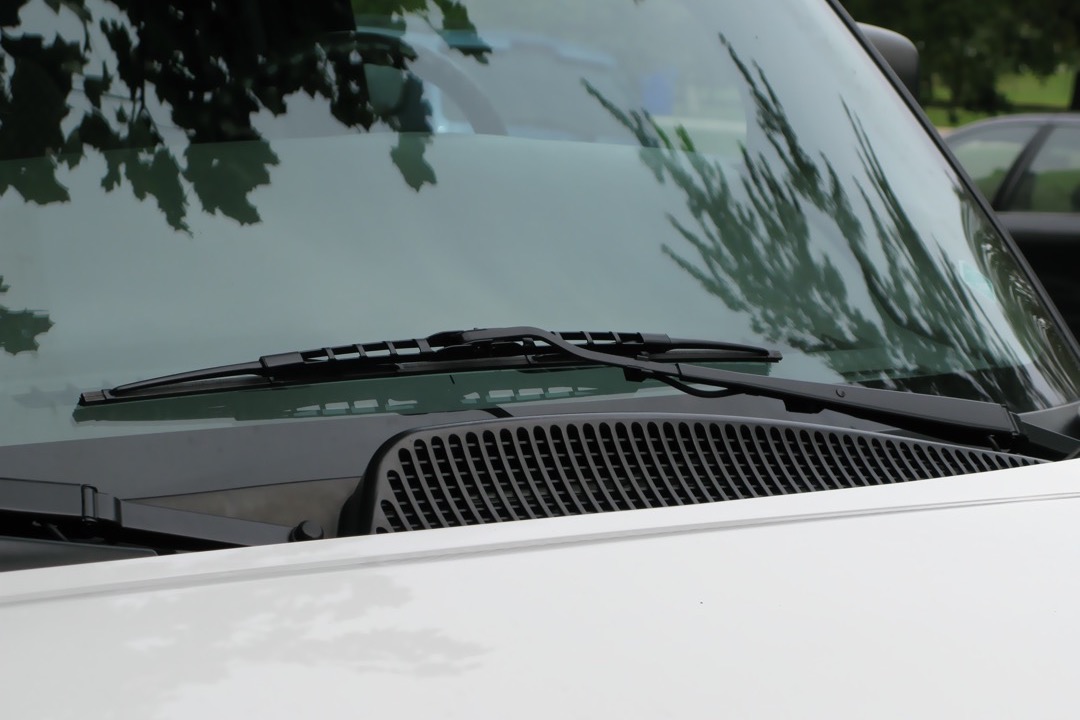
Somebody rolls a car into my bay at least once a week with a wiper complaint, and nine times out of ten it is not a broken arm or a bad motor — it is the wrong blade, bought in a hurry off a shelf, that never fit right in the first place. Two blades of the same length when the car needs two different sizes. A cheap frame blade on a steeply curved windshield that it can never fully contact. A universal blade forced onto a connector it was never made for. Choosing wiper blades looks like the simplest job in car care, and it is — but only if you get three or four small things right, and the parts-store shelf does almost nothing to help you get them right.
I am Mike Reeves, an ASE Master Technician with more than twenty years on the shop floor. This guide is the same walk-through I give a customer standing at my counter: how to find your exact size, how to pick the blade type that actually suits your car and your weather, how to make sure it will physically clip onto your arm, and how to know when the ones you have are done. Get these right and you will buy the correct blades the first time, install them in five minutes in your driveway, and see clearly through every storm until it is time to do it again. When you are ready for specific product recommendations, our best windshield wipers guide ranks the blades I trust by type and climate — but read this first, because the best blade in the world is useless if it is the wrong size or connector for your car.
Start Here: Windshield Wipers at a Glance
The whole decision, compressed into one table. Detail on each row follows.
| Decision | What to Determine | How | Why It Matters |
|---|---|---|---|
| Size | Driver, passenger, and rear blade lengths | Year-make-model lookup, or measure each blade and round to nearest even inch | Almost every car uses two different sizes — this is the #1 mistake |
| Type | Conventional, beam, or hybrid | Match to windshield curve and climate | Wrong type means wind lift, ice buildup, or poor contact |
| Compound | Standard rubber, coated, or silicone | Match to your sun and weather exposure | Determines how long the blade lasts before streaking |
| Connector | J-hook, pinch-tab, bayonet, side-pin, push-button | Check your current blade or the fitment lookup | A wrong connector will not mount at all |
| When to replace | Streaking, chattering, squeaking, cracking | Watch and listen on every drive | Performance, not the calendar, is the real trigger |
Step 1: Find Your Exact Wiper Size
This is where most people go wrong, so it comes first. Windshield wiper blades come in sizes measured in inches, typically running from about 10 inches up to 28 inches. Even sizes are the most common by a wide margin, but odd sizes are real and more cars use them than you would think: a 2022 Civic takes a 19, a Ford Maverick takes a 21, a Ford Bronco takes 17s, and a VW Tiguan takes a 25. Do not round an odd measurement away. Here is the part that trips people up: your car almost certainly uses two different sizes on the front windshield, and a third, shorter size on the rear if it has a rear wiper. The driver’s side is usually longer than the passenger’s side, and I have seen the gap be as much as six or seven inches on some vehicles. Buying two blades of the same length is the single most common wiper mistake there is.
The Three Ways to Find Your Size
Method one, the lookup tool (most reliable). Enter your model year, make, and model and get the exact driver, passenger, and rear sizes back. Our own free windshield wiper size finder does this for 73 vehicle generations and, unlike the brand finders, it is scoped by year range rather than by nameplate, which matters because sizes change between generations of the same car. Your owner’s manual lists the sizes too, usually in the maintenance or specifications section, and it is the final authority if the two ever disagree.
Method two, measure your old blades. If you cannot look it up, pull each blade off (or just lay a tape measure alongside it) and measure tip to tip, including the frame rather than only the rubber. Do each blade separately. Round down to the nearest whole inch rather than up: a blade a fraction short leaves a thin unwiped band, while one a fraction long can catch the A-pillar trim or meet the other blade mid-sweep. Write down both front numbers and, if you have a rear wiper, that one too.
Method three — measure the glass sweep only as a last resort. Measuring the arm or the wiped arc is less precise because it does not tell you the blade’s connector or account for the arm’s designed overlap. Use methods one or two first.
Typical Front Wiper Sizes by Popular Model
The table below shows verified front driver and passenger sizes for some of America’s most common vehicles. Note the year ranges — they are the whole point. A chart that lists one size per nameplate, which is what most wiper charts online do, is wrong for whoever owns the other generation.
| Vehicle | Years | Driver Side | Passenger Side |
|---|---|---|---|
| Honda Civic | 2022–2026 | 24” | 19” |
| Honda Civic | 2016–2021 | 26” | 18” |
| Honda Accord | 2018–2022 | 26” | 16” |
| Honda CR-V | 2023–2026 | 24” | 19” |
| Honda CR-V | 2017–2022 | 26” | 17” |
| Toyota Camry | 2018–2024 | 26” | 20” |
| Toyota Camry | 2012–2017 | 26” | 18” |
| Toyota Corolla | 2020–2026 | 28” | 14” |
| Toyota Corolla | 2009–2019 | 26” | 16” |
| Toyota RAV4 | 2013–2026 | 26” | 16” |
| Ford F-150 | 2009–2026 | 22” | 22” |
| Chevrolet Silverado 1500 | 2014–2026 | 22” | 22” |
Notice three things. First, most passenger cars use a long driver blade and a much shorter passenger blade, and on a 2020-onward Corolla that gap is a full 14 inches. Second, the sizes move when the car is redesigned: the Civic dropped from 26 to 24 on the driver side in 2022, and the Camry gained two inches on the passenger side in 2018. Third, some full-size trucks genuinely do use matching pairs, which is exactly why you verify rather than assume in either direction. Never guess, always confirm. The size finder covers 73 generations and will also tell you whether a size you can actually get is close enough to run.
Do Not Forget the Rear Wiper
If you drive a hatchback, SUV, wagon, minivan, or crossover, you very likely have a rear wiper, and it is easy to forget because you use it far less often. It is almost always a different, shorter size — commonly 11 to 16 inches — and it frequently uses a different, often proprietary connector than the front blades. When you look up your front sizes, look up the rear at the same time and replace all three together. A neglected rear blade sits baking in the sun for years and is usually the worst-performing wiper on the vehicle by the time anyone notices.
Step 2: Choose the Right Blade Type
Once you know your sizes, the next decision is the style of blade. There are three families, and the right one depends on your windshield’s curvature and your climate.
Conventional (Frame) Blades
The traditional design: a metal bracket, or frame, with several pivoting joints that press the rubber onto the glass at multiple points. These are the cheapest blades on the shelf and they work adequately on older vehicles with relatively flat windshields in mild, dry climates. Their weaknesses are real, though. The exposed metal frame is a magnet for ice and packed snow in winter, which lifts the blade off the glass and leaves you with a smearing, half-frozen mess. And at highway speed, airflow gets under the frame and lifts the blade, reducing wiping pressure exactly when you are going fastest and most likely to be in rain.
Beam Blades
A beam blade has no external frame at all. It is a single curved strip of rubber and spring steel with the tension built into the body of the blade itself, so pressure is distributed evenly across the entire length. Because there is no frame, there is nothing for ice and snow to collect on, and the low, aerodynamic profile actually uses airflow to press the blade down onto the glass at speed instead of lifting it. Beam blades conform far better to the steeply curved windshields on nearly every vehicle built in the last decade and a half. For most modern cars, and for anyone who sees genuine winter weather, this is the blade type I recommend.
Hybrid Blades
A hybrid is a frame blade wrapped in an aerodynamic plastic shell — it combines the proven multi-point pressure of a frame design with the wind-cheating, ice-shedding shape of a beam. Hybrids tend to be quiet, durable, and a comfortable middle ground in both price and performance. They are a strong choice if you want beam-like behavior with the familiar feel of a frame blade.
If you are weighing two specific premium options against each other, our head-to-head Bosch vs. Rain-X wipers comparison breaks down how two of the most popular beam and hybrid lines actually perform in the same conditions.
Step 3: Consider the Rubber Compound
Two blades of the same size and type can still perform very differently, and the difference is the wiping edge. Budget blades use natural rubber that hardens, cracks, and takes a set under UV exposure and heat — in a hot, sunny climate they can be streaking within a few months even if it rarely rains. Better blades use synthetic or silicone-blend compounds, frequently with a graphite or PTFE (Teflon-style) coating that lets the edge glide silently and resist wear. Silicone blades cost the most up front but often last considerably longer, run quieter, and can leave a light water-repellent film on the glass that beads rain and improves wet-weather visibility.
The rule of thumb: the harder your climate is on rubber — intense sun, high heat, heavy winter — the more a better compound pays for itself. A car that lives in a garage in a mild climate does fine on a mid-tier blade. A car parked outside in Arizona or Minnesota is a good candidate for the best compound you can get. Keeping the glass itself clean helps every blade last longer, too — a wax-and-grime film makes wipers chatter and wear faster, so a quick pass with quality microfiber towels and glass cleaner every wash extends blade life more than most drivers expect.
Step 4: Match the Connector Type
This is the step that sends people back to the store, so do not skip it. A wiper blade attaches to the wiper arm with a connector, and if the connector does not match your arm, the blade simply will not mount — no matter how correct the size is. The most common connector by far is the J-hook (sometimes called hook-9 or U-hook), a hooked end on the arm that the vast majority of vehicles use and that nearly all “universal” blades fit right out of the package.
But newer vehicles, and European models in particular, increasingly use other attachment styles: pinch-tab, bayonet, side-pin, push-button, top-lock, and various proprietary clips. Premium blades usually solve this by shipping with a small kit of pre-installed or included adapters that cover several connector types, so one part number fits many cars. Budget blades often fit the J-hook and nothing else. Before you buy, take ten seconds to look at how your current blade clips onto the arm, or check the connector type listed in the fitment lookup, and confirm the blade you are buying either matches it or includes the right adapter.
| Connector Type | Where You See It | Notes |
|---|---|---|
| J-hook / U-hook | Majority of vehicles, most model years | The default; nearly all universal blades fit it |
| Pinch tab | Many European and newer domestic models | Usually needs a specific adapter |
| Bayonet | Some Renault, older European | Push-and-lock style; check fitment |
| Side pin | Various European models | Pin through the side of the connector |
| Push button | Many recent GM, Ford, European | Button-release attachment on the arm |
| Top lock | Some newer vehicles | Locks over the top of the arm tip |
When to Replace Your Wiper Blades
Choosing the right blade is only half the job — knowing when it is spent is the other half. The calendar guideline is every six to twelve months, but the honest trigger is performance. Replace your wipers the moment you see or hear any of these:
- Streaking — thin lines of water left behind on each pass, usually from a nicked or hardened edge.
- Skipping or chattering — the blade juddering across the glass instead of gliding smoothly, often from a rubber edge that has taken a permanent bend.
- Squeaking or squealing — noise on every pass, a sign the rubber has hardened.
- Smearing — a hazy film instead of a clean sweep, common when the edge is worn round.
- Visible damage — cracks, splits, tears, or a rubber edge that has gone hard and shiny.
Two forces age wipers faster than most people expect. The first is sun: UV and heat break down wiper rubber even on a car that rarely sees rain, which is why blades on a vehicle parked outside in a hot climate can need replacing twice a year. The second is winter: road salt, freeze-thaw cycles, and dragging blades across an iced-over windshield tear up the edge quickly. That is why I tell customers to fold wiper replacement into their seasonal maintenance routine — new blades every spring and every fall — rather than waiting for the streak that shows up during a downpour on the interstate.
A quick habit that buys you extra life between replacements: every couple of weeks, lift each blade off the glass and wipe the rubber edge with a damp cloth to clear the grit and film that build up on it. And in winter, never run dry or iced-up blades — clear the ice with a proper ice scraper first, because scraping ice with the wiper motor is how good blades get destroyed in a single storm.
A Few Mistakes I See Constantly
After two decades at the counter, the same wiper errors come through the door over and over. Avoid these and you are ahead of most drivers:
Buying two of the same size. Covered above, but it bears repeating because it is the number one mistake. Measure both arms separately.
Going a size up “for more coverage.” Bigger is not better. A too-long blade collides with its partner or runs off the edge of the glass and catches the trim, bending the arm. Use the exact size.
Ignoring the connector until you are in the driveway. Confirm the attachment type before you leave the store, especially on European cars and on rear wipers.
Replacing the blade but not the whole wiper when the arm is the problem. If your wiper still chatters or skips with a brand-new, correctly sized blade, the issue may be a bent arm, a weak arm spring not pressing the blade down, or a glass surface coated in old wax and grime. New rubber cannot fix a mechanical problem.
Forgetting the rear wiper entirely. If your vehicle has one, it counts. Replace all three at once.
Letting a chipped windshield ruin new blades. A crack or deep chip in the glass shreds a wiper edge every time it passes over it. If your windshield has damage, address it — our best windshield repair kits guide covers DIY resin kits that seal a chip before it spreads and before it starts eating your new blades.
The Bottom Line
Choosing windshield wipers is not complicated, but it rewards a few minutes of care. Find your exact driver, passenger, and rear sizes with a lookup tool or by measuring — never assume both fronts match. Pick a beam or hybrid blade if you have a curved windshield or see real winter, a good conventional blade only if you are on flat glass in a mild, dry climate. Spend up on the rubber compound in proportion to how much sun and cold your car endures. Confirm the connector before you buy. Then watch and listen for streaking, chattering, and squeaking, and replace at the first sign rather than waiting for a storm to remind you.
Do that, and you will never white-knuckle a rainy exit ramp because you cannot see the lane markings. When you are ready to pick specific blades, head over to our best windshield wipers guide, where I rank the blades I actually trust — by type, by climate, and by how they hold up over a full year of real driving.
Buyer's Guide
Choosing the right wiper is really six decisions, and getting them right the first time saves you a return trip to the parts store. Here is how I walk a customer through it.
Exact Blade Size (Driver, Passenger, and Rear)
This is the decision that gets fumbled most often, because almost no vehicle uses two blades of the same length. The driver's side is typically longer than the passenger's side, sometimes by six inches or more, and a rear wiper is different again. The safest path is a year-make-model lookup: enter your exact vehicle and you get all three sizes. If you cannot look it up, measure each existing blade individually from tip to tip including the frame and round down to the nearest whole inch. Even sizes are the most common, but odd ones are real (15, 17, 19, 21, 23 and 25 all appear on mainstream vehicles), so do not round an odd measurement away. The single biggest cause of a wasted trip to the parts store is buying two of the same size or eyeballing the length. Measure both arms separately, write down all three numbers, and never assume symmetry.
Blade Type for Your Climate and Windshield
Three families exist. Conventional frame blades are the traditional metal-bracket design — lowest cost, fine on flat older windshields and in mild dry climates, but the exposed frame packs with ice and snow and the joints allow wind lift at speed. Beam blades are a single frameless curved strip with tension built into the body; they hug modern curved windshields, resist wind lift, and shed ice cleanly, which makes them the best all-around choice for most cars built in the last fifteen years and for anyone in a real winter climate. Hybrid blades wrap a frame in an aerodynamic shell — quiet, durable, and a good middle ground. Match the type to your windshield curvature and your weather, not just the price tag on the shelf.
Rubber Compound and Coating Quality
The wiping edge is where the money goes. Cheap blades use natural rubber that hardens and cracks quickly under UV exposure and cold. Better blades use synthetic or silicone-blend compounds and often a graphite or Teflon-style coating that lets the edge glide silently and last longer. Silicone blades cost more up front but can last significantly longer and often leave a water-repellent film on the glass that improves visibility in rain. If you park outside in a hot or high-UV climate, spending more on a better compound genuinely pays off, because heat and sun kill the cheap rubber long before mechanical wear does. If your car lives in a garage and sees mild weather, a mid-tier blade is plenty.
Connector and Attachment Type
A blade only fits if its connector matches your arm. The most common is the J-hook (also called hook-9 or U-hook), which the majority of vehicles use and which most universal blades fit out of the box. But many newer vehicles — especially European models and recent domestics — use pinch-tab, bayonet, side-pin, push-button, top-lock, or other proprietary attachments. Premium blades ship with a kit of adapters to cover several connector types; budget blades often fit only the J-hook. Before you buy, look at how your current blade clips onto the arm, or check the connector type in the fitment lookup, so you do not get home with a blade that physically cannot mount to your car.
Wind Lift and Noise at Highway Speed
If you spend a lot of time at highway speed, aerodynamics matter. Conventional frame blades act like little sails — at speed, airflow gets under the frame and lifts the blade off the glass, so it wipes with less pressure exactly when you are driving fastest and most need clear vision, typically in rain. Beam and hybrid blades are shaped to use that same airflow to press the blade down onto the glass instead, so they maintain contact and wipe quietly at speed. Highway commuters and anyone who drives in heavy interstate rain should prioritize a beam or aerodynamic hybrid blade. Around-town, low-speed drivers can get acceptable results from a good conventional blade.
Budget Versus Cost Per Year
Wipers are a place where the cheapest option is often the most expensive over time. A bargain conventional blade might cost a third of a premium beam blade but need replacing two or three times as often, especially in harsh sun or winter — so the premium blade frequently wins on cost per year of clear vision. That said, do not overspend for conditions you do not have. If you live somewhere mild, park in a garage, and drive modest miles, a mid-tier blade delivers most of the benefit for a fraction of the top-tier price. The right frame is not 'buy the most expensive' — it is 'match the blade quality to how hard your climate and driving are on wiper rubber.'
Frequently Asked Questions
How do I know what size windshield wipers I need?
Which is better, beam or conventional wiper blades?
Can I use a 24-inch wiper instead of a 26-inch (or size up or down)?
How often should I replace my windshield wipers?
Do I need to replace the rear wiper too, and is it a different size?
Related Articles
7 Best Windshield Wipers of 2026
maintenance-parts
Bosch vs Rain-X Wipers: An ASE Mechanic's Honest Comparison
maintenance-parts
7 Best Windshield Repair Kits of 2026
car-care-detailing
7 Best Microfiber Towels for Cars of 2026
car-care-detailing
How to Winterize Your Car: A 20-Point ASE Technician's Checklist (2026)
roadside-safety
About the Reviewer

Mike Reeves, ASE Master Technician
A.A.S. Automotive Technology, Universal Technical Institute (UTI)
Mike Reeves is an ASE Master Technician with 15 years of hands-on experience in automotive repair and diagnostics. He earned his A.A.S. in Automotive Technology from UTI and runs his own independent shop in Denver, Colorado. Mike founded RevRated to help everyday car owners make smarter parts decisions -- every recommendation comes from real-world testing in his garage.