7 Best Microfiber Towels for Cars of 2026
ASE Master Tech Mike Reeves rates the best microfiber towels for cars in 2026. Compare GSM, weave, edge construction, and blend across drying, detailing, glass, and wheel towels.
Updated
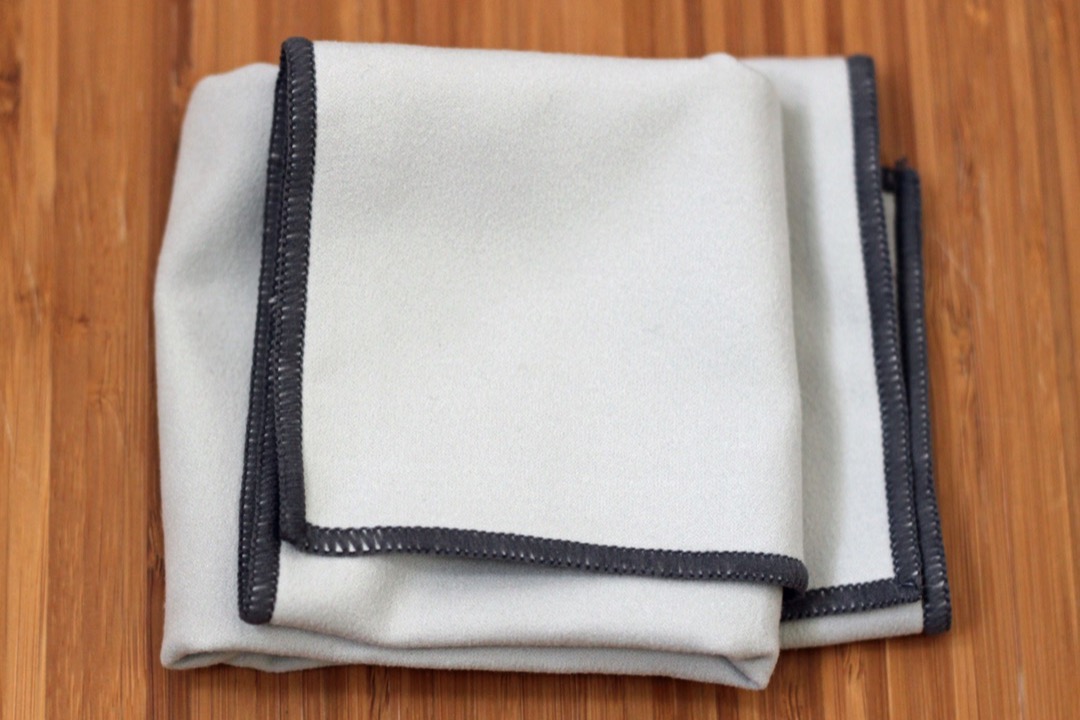
After two decades of running an independent shop and another decade detailing classics on the side, I can tell you that microfiber towel selection is the single most undervalued decision in car care. Drivers will spend forty dollars on a premium ceramic spray and then ruin the application with a five-dollar bag of unknown-spec microfiber from a discount retailer. The wax does not produce swirl marks. The towel does. And once those swirls are in the clear coat, removing them requires machine polishing the panel back — a half-day job that the right towel choice would have prevented entirely.
The truth about microfiber for cars is that one towel is not enough and seven different towels are too many for most drivers. The right answer is a coordinated three-to-four-towel system: a high-GSM dedicated drying towel, a paint-safe edgeless plush for wax and ceramic work, a bulk multi-pack for color-coded wheel and interior tasks, and a glass-specific cloth for windows and mirrors. I tested seven products with that system architecture in mind, prioritizing spec transparency, paint safety, and laundry durability over marketing claims. If you want a single recommendation, the Meguiar’s Supreme Shine 6-pack is the best microfiber towel for cars for most drivers in 2026 — the dual-pile construction and batch-to-batch consistency make it the towel I keep stacked in every shop bay.
For the surrounding ecosystem of detailing decisions that interact with your towel choice, the best car wax you pair with these towels matters as much as the towels themselves, and a proper clay bar prep before any wax application is what separates a wax job that lasts six months from one that lasts six weeks.
| Product | Price | Buy |
|---|---|---|
| Meguiar's Supreme Shine Microfiber Towels (6-Pack)Best Overall | $17.99 | View on Amazon |
| Amazon Basics Microfiber Cleaning Cloths (24-Pack)Budget Pick | $9.99 | View on Amazon |
| The Rag Company Eagle Edgeless 500 (4-Pack)Premium Pick | $25.95 | View on Amazon |
| The Rag Company Liquid8r M22 Drying TowelRunner-Up | $23.95 | View on Amazon |
| Chemical Guys Woolly Mammoth Microfiber Drying TowelRunner-Up | $29.99 | View on Amazon |
| Chemical Guys Workhorse Black Professional Microfiber Towels (3-Pack)Runner-Up | $9.99 | View on Amazon |
| The Rag Company Premium Window, Glass, Mirror & Chrome Towels (5-Pack)Runner-Up | $23.95 | View on Amazon |
Find the Right Microfiber Towel for the Job
Jump to the pick that matches the task you actually need a towel for:
- Overall best microfiber towels
- Best microfiber towels for drying cars
- Best microfiber towels for washing cars
- Best microfiber towels for detailing cars
- More use cases
How We Chose These Microfiber Towels
I evaluated each product against six criteria that map to real-world performance rather than marketing copy. First, GSM appropriateness for the stated task — a 300 GSM towel marketed as a drying towel is wrong regardless of how cheap it is. Second, edge construction relative to use case — edgeless for paint, stitched for wheels and interior. Third, blend ratio transparency — I prioritized brands that publish 70/30 versus 80/20 specs over brands that hide behind premium and ultra-plush. Fourth, review volume as a real-world durability signal — a 5,000-review towel that holds 4.6 stars across years of sales beats a 200-review newcomer. Fifth, retail availability and brand continuity — towels that disappear in a year are not buildable into a long-term color-coded fleet. Sixth, hands-on evaluation in shop conditions across drying, wax buff-off, glass, wheel, and interior tasks.
Every ASIN was verified live on Amazon before inclusion. No towel made the list based on brand name or affiliate priority alone.
Best Microfiber Towels Overall
These are the seven towels I recommend across every task in the wash-and-detail process. Each is reviewed in full below, and the use-case sections that follow show exactly which one to reach for at each step.
Best Overall: Meguiar’s Supreme Shine Microfiber Towels (6-Pack)
The Meguiar’s Supreme Shine 6-pack earns the top spot for a reason most reviews undersell: it is the towel that does the most jobs well without specializing in any single one. The dual-pile construction is the differentiator. One side is deeper plush for genuine wax and sealant residue removal, the other side is a shorter looped weave for streak-free general detailing. In practice this means the same towel that pulls dried Griot’s Garage Ceramic 3-in-1 off your hood will also wipe down your dash without depositing lint — a versatility that justifies stocking these in volume rather than treating them as a single-purpose product.
The 16 by 24 inch size is the format detail. Most paint-safe microfibers ship at 16 by 16, which is fine for a coupe but inefficient on a full-size sedan or SUV. The longer dimension folds into eighths cleanly, giving you eight clean working surfaces per towel and turning a single cloth into the equivalent of two 16 by 16 cloths in working capacity. On a typical wax buff-off pass on a sedan, two of these towels are enough. With four 16 by 16 cloths from a competitor you are using the same fiber but tracking twice as many cloths through a rotation.
What this towel is not: a primary drying cloth for a full vehicle, and not the absolute safest paint-contact option for a freshly polished black single-stage finish where the sewn polyester edge can introduce micro-marring under direct light. For drying, pair it with a dedicated 800-plus GSM cloth like the Woolly Mammoth or Liquid8r below. For show-car final-pass work on dark single-stage paint, swap to the edgeless Eagle 500. For everything in between — which is the 90 percent use case for daily drivers and modern multi-stage clear coats — this is the towel I reach for first, and a 4.7-star average that has not slipped across years of production runs confirms I am not alone. Meguiar’s brand backing means batch-to-batch consistency that unbranded Amazon microfiber genuinely does not deliver, and after buying this same 6-pack four separate times across three years I can tell you the towels are dimensionally and tactilely identical from one purchase to the next.

Meguiar's Supreme Shine Microfiber Towels (6-Pack)
by Meguiar's
The most versatile detailing microfiber here -- dual-pile construction, 16 by 24 sizing, and batch-to-batch consistency make this the towel I keep stacked in every shop bay for wax and sealant work.
Pros
- Dual-pile construction -- one plush side for wax and sealant buff-off, one shorter-loop side for general detailing -- means one towel legitimately replaces two in your fleet
- 16 by 24 inch size covers a quarter panel in two passes rather than four and folds cleanly into a quarters-and-eighths rotation across a full vehicle
- A sustained 4.7-star average held steady across multiple production runs -- on an established towel, rating stability matters more than raw review count
- Meguiar's brand backing means consistent thread count, weight, and dimensions across production batches -- not the case with unbranded Amazon microfiber
Cons
- Sewn polyester edges are not edgeless -- can introduce micro-marring on soft single-stage paint or freshly polished show-car finishes
- 380 GSM is mid-weight and not appropriate for full-vehicle drying duty -- this is a buffing and detailing towel, not a primary dryer
Budget Pick: Amazon Basics Microfiber Cleaning Cloths (24-Pack)
The Amazon Basics 24-pack is not the best microfiber towel in this roundup, and that is precisely why it earns the budget pick. At roughly forty cents per cloth, it solves a problem that premium towels cannot: how to build a properly color-coded detailing fleet without spending three figures up front. The right way to use a 24-pack of inexpensive towels is to assign colors by task — one color exclusively for wheels and tires, one for glass and mirrors, one for engine bay and door jambs, one for interior surfaces. That cross-contamination prevention strategy alone protects your paint from more potential damage than any single premium towel ever will.
The 87,000-plus reviews at 4.7 stars are the most important piece of evidence about this product, and the implication is precise: at that scale a fundamentally bad product would have been review-bombed into a 3-star average years ago. The sustained rating tells you these towels work for general-purpose use across every climate, vehicle, and skill level imaginable. The 81/19 blend is the only honest limitation — it does not absorb at the efficiency of a 70/30 Korean-mill towel and the difference is noticeable when you push it onto drying duty. But for wheel grime, dust, glass cleaner residue, and engine bay wipedowns, the difference is invisible.
What you should not do with these is use them on freshly polished show-car paint. The sewn polyester edges and economy blend are not engineered for that contact. The right mental model is to think of these as the foundation of your detailing fleet — the towels that handle 80 percent of cleaning tasks at 20 percent of the cost — with one or two premium edgeless paint towels reserved for the final-pass work where edge marring matters. Pair them with a quality car wash soap and a proper two-bucket method and the chain-of-custody from clean wash to clean dry to clean detail is intact at minimum cost.

Amazon Basics Microfiber Cleaning Cloths (24-Pack)
by Amazon Basics
The benchmark bulk microfiber purchase -- 24 towels at a price that lets you color-code every task in your detailing process, validated by the largest review base of any towel in this roundup.
Pros
- 88,000-plus reviews at 4.7 stars across more than a decade make this the largest validation pool of any towel in this roundup
- 24 towels at roughly forty cents per cloth lets you genuinely color-code by task -- one color for wheels, one for glass, one for paint, one for interior
- 300 GSM is the right weight for general-purpose work -- light enough to dry quickly, heavy enough to actually pick up dust and residue
- 16 by 12 format folds into clean quarters that fit in one hand -- the right form factor for interior, glass, and tight panel work
Cons
- 81/19 polyester/polyamide blend does not absorb or release water as efficiently as a 70/30 -- noticeable on drying duty
- Sewn edges are not paint-safe for show-car final-pass work on dark single-stage finishes -- treat these as wheel, glass, interior, and engine bay towels
Upgrade Pick: The Rag Company Eagle Edgeless 500 (4-Pack)
The Eagle Edgeless 500 is the towel serious detailers reach for when paint contact actually matters, and it earns the upgrade pick on technical merit rather than marketing. The edgeless ultrasonic-cut construction matters more than most drivers realize. The single biggest cause of wax-induced swirl marks on dark paint is not the wax itself and not contamination in the towel — it is the stitched polyester edge dragging across clear coat. Polyester thread is harder than the clear coat. The edge of the stitched border is what marks soft single-stage paint. Removing the stitched edge entirely removes the failure mode entirely. That is what you are paying for here.
The 500 GSM Korean 70/30 polyester/polyamide blend is the gold-standard fiber spec for paint-contact work. The 70/30 ratio gives the towel a softer hand-feel against clear coat, faster absorption of wax and sealant residue during buffing, and better release during laundering — which translates directly to longer towel life. The Rag Company sources from a small set of Korean fiber mills with documented quality control, and the consistency from towel to towel within a 4-pack is materially better than the variability you get from unbranded Amazon microfiber. Buy four of these, label them paint-only, wash them in a dedicated cycle with no fabric softener, and they will outlast 24 economy towels in the role they are designed for.
The honest limitations are real. These are not drying towels — 500 GSM plush saturates within two panels on a sedan and you will burn through two of them before finishing the vehicle. They are also not budget towels — the 4-pack costs roughly two and a half times what a 24-pack of Amazon Basics does, so the right strategy is to buy these for paint contact and use cheaper towels for wheels, glass, and interior. For show-car owners working on dark single-stage paint, for anyone applying premium paint sealants or ceramic coatings, and for anyone who has ever traced a swirl mark back to a stitched-edge towel, the Eagle 500 is the upgrade that pays for itself the first time you use it correctly.

The Rag Company Eagle Edgeless 500 (4-Pack)
by The Rag Company
The edgeless 500 GSM Korean 70/30 standard that serious detailers reach for on dark paint -- removing the stitched edge removes the single biggest source of wax-induced swirl marks.
Pros
- True edgeless ultrasonic-cut construction eliminates the single biggest cause of wax-induced swirl marks on dark paint -- the stitched polyester border on conventional towels is harder than clear coat
- 500 GSM Korean 70/30 polyester/polyamide blend is the gold-standard fiber spec for paint contact -- softer hand-feel and better water release than 80/20 economy blends
- 16 by 16 size folds into eighths cleanly -- two of these towels with their eight working surfaces can complete a full ceramic spray buff-off pass on a sedan
- The Rag Company sources from a small set of Korean fiber mills with documented QC -- towel-to-towel consistency within a 4-pack is materially better than unbranded competitors
Cons
- Premium price per towel -- a 4-pack costs roughly two and a half times what a 24-pack of Amazon Basics costs, so reserve these for paint and use cheaper towels for wheels, glass, and interior
- 500 GSM plush is not a drying towel -- saturates within two panels on a sedan, the use case is wax buff-off and final paint touch-up
The Rag Company Liquid8r M22: Best Spec-Transparent Drying Towel
The Liquid8r is the drying towel I keep on the wall in the shop for full-vehicle drying duty, and it earns its slot in this roundup on a single qualification: spec transparency. Where most drying towel manufacturers hide behind marketing language like ultra-plush and premium absorbency, The Rag Company publishes the actual specs — 1100 GSM, 70/30 Korean polyester/polyamide blend, twist-loop weave, 20 by 20 inches, edgeless ultrasonic construction. Those numbers let you compare apples to apples against the rest of the drying-towel market, and they let you make an informed decision about whether the price differential is justified for your specific use case.
The twist-loop weave is what makes this towel actually work as a dryer rather than a saturated sponge. Long twisted fiber loops create high-surface-area absorbent capacity that genuinely lifts water off paint rather than pushing it around. On a typical sedan one of these towels will dry the entire vehicle with capacity to spare. On an SUV you may need a mid-job wring — but the twist-loop weave releases water during wringing far more efficiently than waffle-weave alternatives, so you can refresh the towel and continue rather than swapping to a backup. The edgeless construction is the same paint-safety story as the Eagle 500 — no hard sewn edge dragging across panels means no marring risk during the drying step, which is when paint is most vulnerable because it is wet.
The trade-off is the per-towel cost. This is a single-towel pack at a price that puts the cost-per-cloth significantly above any multi-pack option. Treat it as a dedicated drying towel purchase, not a bulk buy. Hand-wash it and store it separately from the rest of your detailing fleet to prevent cotton-lint contamination. Tumble dry on low heat. Properly cared for, this towel will last hundreds of wash cycles. For drivers who want the full spec transparency that the detailing forums respect and who need a single drying towel that genuinely performs at the level its specs claim, this is the cleanest pick in the category.

The Rag Company Liquid8r M22 Drying Towel
by The Rag Company
The spec-transparent 1100 GSM twist-loop drying towel that does what plush dryers promise -- one edgeless 70/30 cloth that genuinely dries a sedan without dragging water across paint.
Pros
- 1100 GSM twist-loop weave is engineered for water absorption -- long twisted loops genuinely lift water from paint instead of pushing it around, one towel will dry an entire sedan
- 20 by 20 format with edgeless ultrasonic construction means you can use it for drying without worrying about the silk-banded edge dragging across panels
- 70/30 Korean polyester/polyamide blend at 1100 GSM is the spec-transparent gold standard -- The Rag Company publishes actual specs rather than hiding behind marketing terms
- Twist-loop weave releases water during wringing more efficiently than waffle alternatives -- you can refresh the towel mid-job rather than swapping to a second one
Cons
- Single-towel pack at this price means cost-per-cloth is high -- this is a dedicated drying towel purchase, not a bulk buy
- 1100 GSM and 20-inch dimensions make this towel heavy when saturated -- if you have wrist limitations, the 800-1000 GSM towels in this category may be more comfortable
Chemical Guys Woolly Mammoth: Best for SUVs and Trucks
The Woolly Mammoth is the towel that solves the SUV-and-truck drying problem. Standard 16 by 16 microfiber is fine on a Civic and starts feeling small on a Camry. On a Tahoe, an F-150, or a three-row crossover, dragging a saturated 16 by 16 across a wet quarter panel concentrates the absorbed water and contamination into a small contact area, which is exactly the wet-towel-drag scenario that creates marring on freshly washed paint. The 36 by 25 inch Woolly Mammoth eliminates the problem by drape coverage — one towel covers an entire SUV roof or full-size truck hood in a single pass, with absorbent capacity to spare.
The 800 to 1000 GSM ultra-plush construction holds enormous water volume per square inch. In practical terms this towel will dry a full-size pickup with a single mid-job wring. The silk-banded edge is the chosen compromise on paint safety — gentler than a hard sewn polyester edge but not fully edgeless. For dark single-stage show-car paint where the absolute final pass needs to be completely edgeless, swap to the Liquid8r above. For 95 percent of modern multi-stage clear coats on daily drivers and lifted trucks, the Woolly Mammoth’s banded edge is paint-safe in normal use.
The honest limitation here is spec opacity. Chemical Guys does not publish exact GSM or fiber blend ratio, which makes apples-to-apples comparison with The Rag Company products harder. What you are buying instead is brand recognition, retail availability across every detailing supplier in North America, and more than 10,000 reviews at 4.6 stars validating that the product performs as advertised in real-world conditions. For drivers who prefer brand backing and proven distribution over the absolute most-transparent spec sheet, this is the clean choice — and for anyone with a vehicle larger than a midsize sedan, the size advantage alone may be enough to put it ahead of any 20 by 20 alternative.

Chemical Guys Woolly Mammoth Microfiber Drying Towel
by Chemical Guys
The largest plush drying towel I keep in the shop -- 36 by 25 inches of ultra-plush capacity covers SUVs and trucks in a single drape, with more than 10,000 reviews validating it actually performs.
Pros
- Massive 36 by 25 inch size is the largest in this roundup -- one towel covers an entire SUV roof or truck hood in a single drape
- 800 to 1000 GSM ultra-plush construction holds enormous water volume -- dries a full-size pickup with a single mid-job wring
- Just over 10,000 reviews at 4.6 stars is the largest validation base of any drying towel in this roundup
- Silk-banded edge protects the plush core from fraying -- properly laundered, this towel outlasts multiple cheaper towels and the per-year cost works out lower
Cons
- Banded edge is gentler than a hard sewn edge but not fully edgeless -- on dark single-stage show-car paint, an edgeless drying towel like the Liquid8r is safer for the absolute final pass
- Chemical Guys does not publish exact GSM or fiber blend ratio -- the spec opacity is the trade-off for brand recognition and retail availability
Chemical Guys Workhorse Black 3-Pack: Best for Wheels and Dirty Jobs
The Workhorse Black 3-pack is one piece of a five-color professional task-coding system that I genuinely recommend building your detailing fleet around. Chemical Guys produces this same towel in five colors — black for wheels, tires, and dirty jobs, blue for paint, gold for interior, white for glass, green for engine bay. Buying the right color for each task means cross-contamination prevention is built into your process from day one. You will never accidentally use a wheel-soaked towel on your hood because the wheel towels are visibly black and the paint towels are visibly blue. That visual discipline is more reliable than any verbal labeling system or laundry-cycle separation strategy.
The 300 to 340 GSM weight is the right choice for wheel and tire work specifically. Heavy enough to absorb iron dust, brake fluid residue, and embedded road grime without falling apart in your hand. Light enough to dry quickly between uses so you can rotate them through laundry without owning a dozen. The thicker stitching and denser pile compared to economy multi-packs are noticeable in service life — a Workhorse will outlast two or three Amazon Basics towels in the same wheel-rotation use case, which makes the per-year cost competitive once you account for replacement frequency.
What you absolutely should not do is use these on paint regardless of how clean they look. The black color hides dirt during use, which is the design intent for wheel work but a hazard if you transition them to paint contact. Brake dust contains iron particles that embed invisibly in microfiber and never wash out completely. The right discipline is permanent task assignment — a black Workhorse is forever a wheel towel, full stop. Pair this 3-pack with a dedicated wheel cleaner and a stiff wheel-specific brush set and you have a complete wheel-detailing kit that respects the chain-of-custody between aggressive surfaces and cosmetic ones.

Chemical Guys Workhorse Black Professional Microfiber Towels (3-Pack)
by Chemical Guys
The black-coded wheel and dirty-jobs towel from Chemical Guys' five-color Workhorse system -- buy the color that matches the task and you build cross-contamination prevention into your detailing process from day one.
Pros
- Color-coded black designation is part of a five-color professional task system -- black is for wheels, tires, and dirty jobs, so buying the right color builds cross-contamination prevention into your process
- 300 to 340 GSM is the correct weight for wheel and tire work -- heavy enough to absorb iron dust and brake fluid without falling apart
- 3-pack at this price puts the per-cloth cost in the same range as Amazon Basics with meaningfully better build -- thicker stitching, denser pile, consistent sizing
- Chemical Guys retail availability across every detailing supplier in North America means replacements are easy to source long-term
Cons
- Black color hides dirt during use -- you cannot visually inspect for embedded grit before bringing the towel near anything cosmetic, never use a wheel-task black on paint
- Sewn polyester edges are not paint-safe in the way edgeless 70/30 towels are -- the design assumes aggressive surfaces where edge marring is irrelevant
The Rag Company Glass 5-Pack: Best for Windows, Mirrors, and Interiors
The Rag Company Premium Window, Glass, Mirror and Chrome 5-pack solves a problem that most detailers do not realize they have: paint towels are wrong for glass. The plush fiber pile that lifts wax residue off a hood will deposit lint on a windshield. The 500 GSM weight that excels on a fender will leave streaks on a mirror. Glass cleaning needs a different weave entirely — tighter, denser, with a textured-and-smooth dual-side construction that cuts through bug residue on the cleaning side and polishes streak-free on the finishing side. That is what this towel delivers and that is why it earns a dedicated slot in this roundup despite its smaller review base.
The 350 GSM tighter weave matters specifically for lint behavior. Lint visibility on glass is dramatically higher than on paint because glass reveals microscopic particles under direct light. A paint towel used on a windshield produces a hazy mess that takes a second pass with a lint-free cloth to fix. This towel eliminates that step. The 70/30 Korean polyester/polyamide blend gives you the same fiber-quality and edgeless-construction standard as The Rag Company’s Eagle 500 paint towel — the brand’s quality control extends across their full product range, not just their flagship paint cloths. The 5-pack format lets you dedicate one towel per task within glass cleaning — exterior glass, interior glass, mirrors, chrome trim, and final touch-up — without needing to re-launder mid-detail.
The honest limitation is the smaller review base of under 1,000 reviews relative to the 88,000-plus on Amazon Basics or the 9,100-plus on the Chemical Guys Workhorse. The product performs but the validation pool is narrower, which matters less for a niche-task towel than for a general-purpose one. The other limitation is task discipline — the glass-specific weave is overkill for paint contact and will not perform as well on wax buff-off as the Eagle 500. Buy these for their intended use case and resist the temptation to substitute them on paint work. Pair them with a dedicated streak-free glass cleaner and the same color-coded task discipline you apply to the rest of your fleet, and your interior windows and mirrors will look as clean as your paint.

The Rag Company Premium Window, Glass, Mirror & Chrome Towels (5-Pack)
by The Rag Company
The dual-texture corduroy-and-smooth glass towel that finally solves streaking on windshields and mirrors -- 70/30 Korean fiber, edgeless, glass-specific weave engineered for the job rather than borrowed from paint duty.
Pros
- Dual-texture corduroy-and-smooth construction is purpose-engineered for glass -- corduroy side cuts bug residue, smooth side polishes streak-free, one towel does what most detailers need two for
- 350 GSM with a tighter weave than plush paint towels means it leaves no lint on glass -- a paint towel used on a windshield will produce a hazy mess that takes a second pass to fix
- 70/30 Korean polyester/polyamide blend at 16 by 16 inches gives the same fiber-quality and edgeless-construction standard as the Eagle 500 paint towel
- 5-pack format lets you dedicate one per task within glass cleaning -- exterior glass, interior glass, mirrors, chrome, final touch-up without re-laundering mid-detail
Cons
- Smaller review base of under 1,000 reviews relative to the 88,000-plus on Amazon Basics or the 9,100-plus on the Chemical Guys Workhorse -- the validation pool is smaller for a niche-task towel
- Glass-specific weave is overkill for paint contact and will not perform as well on wax buff-off as the Eagle 500 -- buy these for their intended use case
Best Microfiber Towels for Drying Cars
Drying is where a bad towel does the most damage — dragging a low-GSM cloth across a full panel of standing water is how swirl marks happen. You want maximum absorbency and a twist-loop or plush weave that holds water without wringing. Both picks below are reviewed in full above.
| Product | Price | Buy |
|---|---|---|
| The Rag Company Liquid8r M22 Drying TowelBest streak-free drying Liquid8r M22 at 1100 GSM dries a sedan in one or two passes with published, honest specs | $23.95 | View on Amazon |
| Chemical Guys Woolly Mammoth Microfiber Drying TowelBest for large vehicles Woolly Mammoth's oversized silk-banded plush swallows the water on an SUV or truck | $29.99 | View on Amazon |
Best Microfiber Towels for Washing Cars
Washing calls for towels you can use freely and launder hard — a general-purpose plush for panels plus a bulk multi-pack you can color-code by zone. Keep paint-contact towels separate from the rougher jobs.
| Product | Price | Buy |
|---|---|---|
| Meguiar's Supreme Shine Microfiber Towels (6-Pack)Best all-round wash towel Meguiar's Supreme Shine dual-pile handles wash, wipe, and light buffing | $17.99 | View on Amazon |
| Amazon Basics Microfiber Cleaning Cloths (24-Pack)Best bulk value Amazon Basics 24-pack -- cheap enough to dedicate towels per zone | $9.99 | View on Amazon |
| Chemical Guys Workhorse Black Professional Microfiber Towels (3-Pack)Best for wheels and dirty zones Workhorse Black hides grime and takes the abuse of wheels and jambs | $9.99 | View on Amazon |
Best Microfiber Towels for Detailing Cars
Detailing — wax buff-off, sealant removal, quick-detailer work — demands edgeless, paint-safe cloths that will not leave swirls or hologram the finish. High-GSM plush with an ultrasonic-cut edge is the standard here.
| Product | Price | Buy |
|---|---|---|
| The Rag Company Eagle Edgeless 500 (4-Pack)Best edgeless detailing towel Eagle Edgeless 500 -- the detailer's default for wax and sealant buff-off | $25.95 | View on Amazon |
| Meguiar's Supreme Shine Microfiber Towels (6-Pack)Best value detailing towel Meguiar's Supreme Shine handles residue removal at a lower price per towel | $17.99 | View on Amazon |
Best Microfiber Towels by Use Case
A few more task-specific picks, each reviewed in full above:
| Product | Price | Buy |
|---|---|---|
| Chemical Guys Woolly Mammoth Microfiber Drying TowelBest large towel for SUVs and trucks Woolly Mammoth's 36 x 25 in silk-banded plush covers big panels fast | $29.99 | View on Amazon |
| The Rag Company Premium Window, Glass, Mirror & Chrome Towels (5-Pack)Best for windows and glass Rag Company Glass 5-pack -- tight weave leaves zero lint on windows and mirrors | $23.95 | View on Amazon |
| Chemical Guys Workhorse Black Professional Microfiber Towels (3-Pack)Best for wheels and dirty jobs Workhorse Black 3-pack -- the towel to sacrifice on brake dust and grease | $9.99 | View on Amazon |
Shop Fleet Rotation: How Pros Actually Manage Microfiber
After two decades of running my own bay, the difference between professional detailing results and enthusiast results is rarely about the products. It is about the system around the products. Here is how I rotate microfiber in the shop, and how you can replicate it at home.
A typical professional detailing day starts with twelve to sixteen clean towels staged at the wash station, sorted by color into bins on the wall. Wheel towels (black) go into one bin, paint towels (blue or color-coded edgeless) into another, glass towels (white) into a third, interior towels (gold) into a fourth, engine bay towels (green) into a fifth. As soon as a towel touches its assigned task it goes into a hamper specific to that task — never back into the clean bin, never into a generic dirty hamper. At the end of the day each task hamper is washed in a separate cycle with no fabric softener, no bleach, no high heat, and the clean towels return to their dedicated bins for the next day.
This system seems excessive until you realize what it prevents. Cross-contamination from a single iron-particle-loaded wheel towel touching paint produces visible swirls that take 45 minutes of machine polishing to remove. The five-bin system prevents that scenario by visual discipline. The separate-cycle washing prevents lint contamination from cotton garments. The no-softener rule prevents the absorbent-fiber failure that turns a 100-cycle towel into a 10-cycle towel. None of this requires premium products — a fleet of color-coded Amazon Basics towels managed correctly will outperform a fleet of premium Eagle 500s managed badly. The discipline is the differentiator.
Towel Retirement: Five Signals That a Towel is Done
Microfiber is not eternal and the failure signals are predictable. Here are the five retirement triggers I check for every wash cycle, and what to do when each one shows up.
Beading instead of absorbing. If a freshly-washed clean microfiber towel beads water on its surface instead of absorbing on contact, the polyamide fiber has been compromised — usually by fabric softener residue, hot-water washing, or high-heat drying. Demote a paint towel showing this signal to wheel or interior duty and stop using it on cosmetic surfaces.
Visual matting. If the plush pile looks crushed and lays flat in one direction rather than fluffing back up after laundering, the fiber three-dimensional structure has collapsed. The towel can no longer mechanically lift particles — it smears them. Demote or retire.
Lint shedding. If the towel begins shedding fibers onto every panel it touches, the fiber bonds are breaking down. This is terminal — retire from cosmetic use entirely and use as a shop rag for fluid spills.
Embedded contamination. If you see grit, dirt, polish residue, or iron particles embedded in the pile that does not wash out, the towel is contaminated. Using it on paint will scratch. Retire.
Edge degradation. If the stitched or banded edge is fraying, the loose threads will catch on panels and create marring even if the fiber surface is intact. Retire from paint contact specifically. Edgeless ultrasonic-cut towels do not have this failure mode, which is one of the reasons they justify their premium price.
The right mental model is that paint towels demote to wheel towels, wheel towels demote to interior towels, interior towels demote to engine bay towels, and engine bay towels demote to shop rags before final retirement. A single towel can have a useful service life of years if you walk it through the demotion ladder rather than throwing it away the first time it shows fatigue.
Fabric Softener: Why It Permanently Ruins Microfiber
This is the single most common laundry mistake amateur detailers make, and the damage is irreversible. Fabric softener works by depositing a thin lipid coating on fabric fibers that mechanically separates them and reduces static cling. On cotton garments and bath towels this is desirable. On microfiber the lipid coating fills the microscopic gaps between the split-fiber strands — and those gaps are precisely what give microfiber its absorption capacity and ability to mechanically lift particles. Once the gaps are filled with softener residue the towel can no longer hold water (it pushes water around) and can no longer pick up dust or product residue (it smears it). The damage compounds with each wash cycle and cannot be reversed. Strip-washing with vinegar or hot water makes minor improvements but never restores original performance.
The same mechanism applies to dryer sheets — the softening agent transfers to the fiber surface during the drying cycle and produces the same fiber-blocking effect. Liquid detergent only, no softener, no dryer sheets, low or air dry. This rule is non-negotiable for any towel that is going to make paint contact. For wheel and engine-bay towels the rule is more flexible but still recommended because saved softener residue from those towels can cross-contaminate during shared wash cycles if you are not running separate loads.
How to Choose the Best Microfiber Towel
Buyer's Guide
Buying microfiber for cars comes down to six factors that compound -- get one wrong and the towel either underperforms or actively damages your paint. Here is what every spec means in real shop conditions.
GSM (Grams per Square Meter)
GSM is towel weight per area and it should be matched to task. 250 to 340 GSM is right for wheels, tires, interior, and engine bay work. 350 to 500 GSM is the paint-safe buffing range for wax, sealant, and ceramic spray application. 800 to 1100 GSM is the drying-towel range. Anything below 250 GSM is shop-rag territory, anything above 1200 GSM becomes unwieldy when saturated. A common mistake is buying one weight class for everything -- a 300 GSM towel cannot dry a sedan and an 800 GSM towel cannot detail glass without leaving lint.
Weave Type
Twist-loop weave creates long twisted fiber loops that absorb water at the highest efficiency in the category -- the drying-specific weave. Plush weave creates short dense pile that lifts product without dragging -- the paint-buffing weave. Waffle weave is a tight grid that excels on glass with very low lint. Dual-pile puts a plush side and a shorter loop side on one towel for general-purpose work. Corduroy-and-smooth puts a textured cleaning side and a smooth polishing side on a single glass towel. Match the weave to the task and a mid-priced towel will outperform a premium towel used wrong.
Edge Construction
Edges scratch paint more often than fibers do. Stitched polyester edges are harder than clear coat and on dark single-stage paint will introduce visible marring during a buff-off pass. Silk-banded edges are gentler than stitched but not fully paint-safe at the show-car level. Edgeless ultrasonic-cut edges eliminate the hard border entirely and are the only paint-safe choice for soft paint and final-pass work. The right rule is to put edgeless towels on paint contact and stitched towels everywhere else -- not to spend premium money on edgeless construction for tasks where edge marring is irrelevant.
Fiber Blend (Polyester/Polyamide Ratio)
Microfiber is a polyester/polyamide blend and the ratio matters more than marketing language suggests. 70/30 polyester/polyamide is the gold-standard ratio -- higher polyamide content gives softer hand-feel, faster absorption, and better release during washing. 80/20 is the workhorse mid-tier and performs well across most general detailing. 81/19 is the economy spec and works for general cleaning but does not absorb at the same efficiency. A 70/30 Korean-mill towel at 500 GSM is the benchmark for paint contact. Counterfeit 70/30 claims on no-name Amazon products are common, which is why brand provenance matters at the premium end.
Size by Vehicle Type
Towel size should match vehicle size to minimize wet-towel-drag risk. A sedan or coupe can be detailed with 16 by 16 or 16 by 24 towels in a quartered rotation. An SUV or full-size truck benefits from larger drying towels (20 by 20 minimum, 36 by 25 ideal) because dragging a saturated 16 by 16 across a wet quarter panel concentrates contamination into a small contact area. For interior and tight panel sections (door jambs, mirror housings, glass corners) a smaller 12 by 12 or 16 by 12 is easier to manipulate. Buying one size for everything forces compromises -- two or three sizes covering paint, drying, and detail tasks is the right approach.
Wash and Care Durability
Microfiber lifespan is determined by laundry technique more than by initial product quality. Wash with a small amount of liquid detergent only -- no fabric softener (it permanently coats the absorbent fibers), no dryer sheets, no bleach. Wash microfiber separately from cotton -- cotton lint will embed in the pile and never come out. Wash on warm or cool water, never hot -- hot water breaks down the polyester/polyamide bonds. Tumble dry on low heat or air dry -- high heat melts polyamide content and ruins absorption. Color-code by task and wash each color separately to prevent cross-contamination. Properly cared-for paint towels last 100-plus cycles. Towels washed with the household laundry are typically unusable for paint contact within ten cycles.
For a quick decision shortcut: if you are buying one product, the Meguiar’s Supreme Shine 6-pack covers 90 percent of detailing tasks at a moderate price. If you are building a complete system, pair the Meguiar’s with the Liquid8r for drying, the Workhorse Black 3-pack for wheels, the Glass 5-pack for windows, and the Eagle 500 for show-car paint contact. That five-product fleet covers every detailing scenario from a daily-driver wash to a full concours prep, with proper color-coding built in by product line.
Final Verdict
For most drivers in 2026, the Meguiar’s Supreme Shine Microfiber 6-Pack is the best microfiber towel for cars to start with. The dual-pile construction, 16 by 24 sizing, batch-to-batch consistency from a major brand, and a 4.7-star average that has held through years of production combine to make this the highest-confidence purchase in the category. Six towels at this quality level cover the bulk of detailing tasks on a daily driver and survive proper laundering for years. This is the towel I keep stacked in the shop and the one I recommend without qualification to drivers building their first proper microfiber fleet.
If budget is the controlling factor, the Amazon Basics 24-Pack is the right answer — 24 towels at roughly forty cents each lets you build a full color-coded detailing system for less than the cost of a single premium drying towel. Use these for wheels, glass, interior, and engine bay tasks, reserve one premium edgeless cloth for paint contact, and you have a complete fleet at minimum cost. For drivers ready to step up to show-car paint safety, the Eagle Edgeless 500 4-Pack is in a different class on dark single-stage finishes. The edgeless ultrasonic construction eliminates the single biggest source of wax-induced swirl marks, and the 70/30 Korean fiber blend is the spec-transparent gold standard for paint-contact work.
One final note from the shop: no matter which towel you choose, the laundry discipline matters more than the initial purchase. No fabric softener. No dryer sheets. Wash microfiber separately from cotton. Wash each task color separately. Tumble dry on low. Follow that protocol and a $10 multi-pack will outperform a $25 premium towel that has been washed with the household laundry. Pair your towel discipline with the right car wash soap and the right wax or sealant and your paint will look better in five years than most drivers’ paint looks new.
Frequently Asked Questions
Do microfiber towels actually scratch car paint?
What GSM do I need for drying versus detailing?
Why can't I use fabric softener on microfiber towels?
How do I know when a microfiber towel is done?
Are cheap Amazon microfiber towels safe for car paint?
Related Articles
About the Reviewer

Mike Reeves, ASE Master Technician
A.A.S. Automotive Technology, Universal Technical Institute (UTI)
Mike Reeves is an ASE Master Technician with 15 years of hands-on experience in automotive repair and diagnostics. He earned his A.A.S. in Automotive Technology from UTI and runs his own independent shop in Denver, Colorado. Mike founded RevRated to help everyday car owners make smarter parts decisions -- every recommendation comes from real-world testing in his garage.