How to Choose the Right Car Wax for Your Paint Type (2026): An ASE Master Tech's Guide
An ASE Master Tech explains how to match car wax to your paint — clear coat vs single-stage vs matte, the IPA field test, which wax for which color, and how long each lasts.
Updated
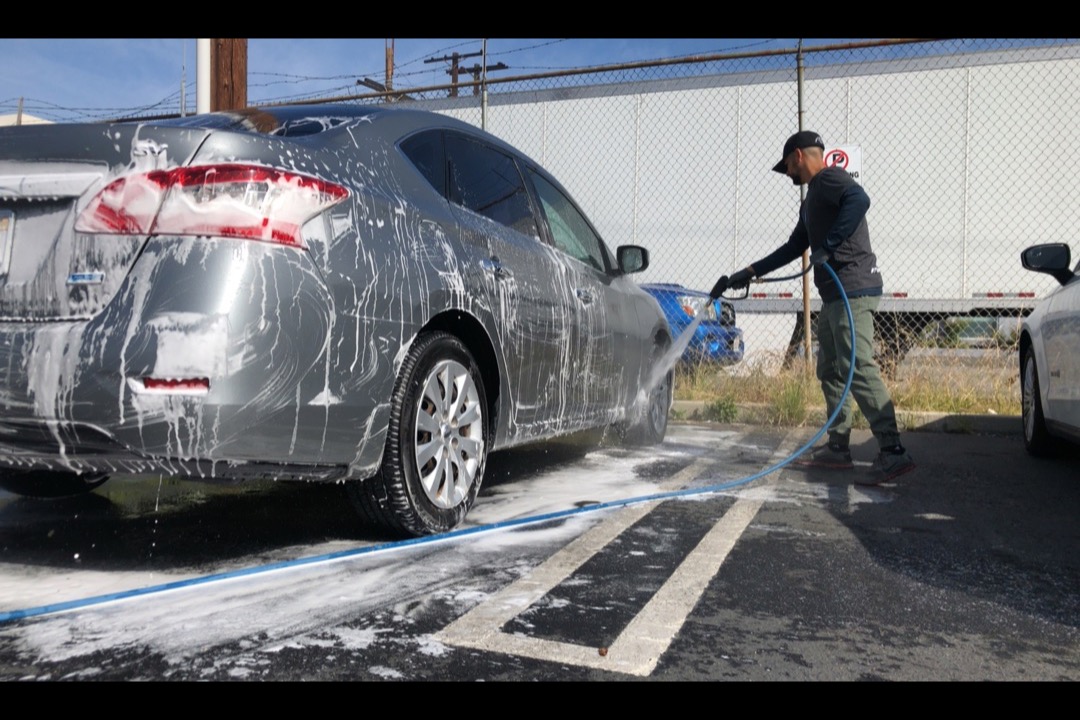
A customer rolled into the shop one July afternoon nearly in a panic. He had bought a beautiful jar of premium carnauba paste wax for his new black sedan, watched a couple of videos, and gone to town on his driveway at two in the afternoon with the sun blazing straight down on the hood. By the time he got to me, the entire car was covered in chalky white streaks and hazy swirls that he could not buff out no matter how hard he rubbed. He was convinced he had ruined the paint. He had not — he had just flash-dried carnauba onto a 180-degree panel in direct sun, which is about the worst possible way to apply the best-looking wax in the world. Forty-five minutes in the shade with a quick-detailer spray and clean microfiber towels brought it right back. But he had spent a Saturday afternoon and a jar of expensive wax learning a lesson this guide is going to save you.
Then there was the gentleman with the single-stage red 1972 pickup who came in with his applicator pad stained bright red and a confused look on his face. He had grabbed a cleaner wax off the shelf — the kind with mild abrasives meant to cut oxidation off clear coat — and worked it into his classic truck’s paint. He was literally rubbing the color off the vehicle and watching it transfer onto his pad, and he had no idea why. That damage does not buff back. Cleaner wax on single-stage paint removes actual pigment, and once it is gone, it is gone until you respray the panel.
I am Mike Reeves, an ASE Master Technician with twenty-plus years on the shop floor. Both of those mistakes were completely avoidable, and they came down to one thing: neither customer understood their paint before they bought a wax. Choosing car wax is not about finding the single best product — there is no single best wax, only the right wax for your specific paint type, color, storage situation, and how often you are willing to reapply. Get those four things straight and the choice makes itself. This guide walks through exactly how to identify your paint, the five real types of wax and what each one is actually for, which wax suits which color, and the honest durability math nobody tells you at the parts counter. No fluff, no brand worship, just the reasoning I would give a family member before they spend a dime.
Why Picking the Wrong Wax Actually Damages Your Paint
Most of the time, the wrong wax just underperforms. It streaks, it hazes, it wears off in two weeks instead of two months, and a proper wash and re-wax fixes it. But there are specific failure modes where the wrong product does real harm, and understanding them is the whole reason paint type matters before you buy.
The most common failure is streaking and hazing on dark paint. Carnauba and some synthetic waxes flash-dry fast, and on black or dark blue paint applied in the sun or in coats that are too thick, you get the chalky white mess my July customer discovered. This one is cosmetic and recoverable, but it ruins your Saturday and makes you think you bought a bad product when you really just applied a good product wrong.
The second is white residue caked into trim and seams. Wax that dries on textured black plastic trim, in panel gaps, and around emblems leaves a stubborn white crust that is genuinely annoying to remove and makes an otherwise clean car look amateur. This is a technique-and-product problem — paste waxes are far worse offenders than sprays.
The third is the genuinely destructive one: abrasive wax on single-stage paint. Cleaner waxes and one-step products that contain mild abrasives are designed to cut a microscopic layer of oxidation off clear coat. On single-stage paint, where the color pigment is exposed at the surface with no clear layer protecting it, those abrasives remove the color itself. This is irreversible. You cannot buff it back. The only fix is a respray.
The fourth is conventional gloss wax on matte or satin paint, which creates permanent shiny patches and uneven sheen across a finish that is supposed to be uniformly flat. Matte clear coat scatters light by design, and gloss wax fills that texture in random spots, leaving blotches that require professional correction or a respray to fix.
Two of those four — abrasive wax on single-stage and gloss wax on matte — are the only truly irreversible mistakes in the whole world of waxing, and both are completely avoidable if you simply know your paint type before you buy. Which is exactly where we start.
Know Your Paint Type Before You Buy Anything
Paint type is the single most important factor in choosing wax, and it is the one almost everyone skips. It determines which entire categories of product are safe for your car and which will damage it. There are three types you need to be able to identify.
Clear Coat Paint (Post-1985, About 95% of Cars)
If your car was built after the mid-1980s and has not been repainted in an antique solid style, it almost certainly has a clear coat — a transparent protective layer sprayed over the colored basecoat. The clear coat is what you are actually waxing; the color sits underneath, sealed and protected. This is the easy case. Clear coat can take any wax in this guide: carnauba, synthetic sealant, ceramic spray, hybrid, or spray wax. Cleaner waxes with mild abrasives are even fine here in moderation, because the abrasive cuts the clear coat, not the color. If you have a modern daily driver, you are almost certainly working with clear coat and you have full freedom of choice. The whole rest of this guide is about narrowing that choice intelligently.
Single-Stage Paint (Pre-1985 Classics, Fleet, Some Trucks)
Single-stage paint mixes the color pigment and the gloss into one layer with no separate clear coat on top. The color you see is the surface itself. This was standard before the mid-1980s and survives today on classic cars, some commercial fleet vehicles, certain solid-color work trucks, and specialty restorations done in the original style. Single-stage paint demands one hard rule: never use an abrasive cleaner wax or one-step abrasive product on it. The abrasive removes color pigment directly — this is the red-pad disaster I described above. Single-stage paint should be protected with pure, non-abrasive carnauba wax, which feeds the older paint, deepens the color, and adds protection without cutting anything away. Many classic-car people swear by carnauba specifically because it is the traditional, paint-safe choice for single-stage finishes. If you own a pre-1985 vehicle, assume single-stage until you prove otherwise with the field test below.
Matte and Satin Finishes (No Standard Wax, Ever)
Matte and satin paint gets its flat, non-reflective look from a textured clear coat that scatters light instead of bouncing it back in a mirror finish. This is a deliberate factory effect, increasingly popular on performance cars and trucks. Conventional wax — carnauba or synthetic — is engineered to fill surface texture and create gloss, which is precisely the opposite of what matte paint needs. Apply normal wax to matte and you get shiny patches and uneven sheen that cannot be buffed out. Matte and satin finishes require products specifically labeled for matte paint: matte-safe spray sealants for protection and matte-specific shampoo for washing. If you own a matte vehicle, treat every glossy car wax on the shelf as if it were paint stripper for your finish, and only ever reach for matte-labeled protection.
The Field Test — The IPA Cloth Test
Here is the shop-floor trick that tells you clear coat from single-stage in about thirty seconds, and it is the most useful single thing in this entire guide. Soak a clean white microfiber or cotton cloth in isopropyl alcohol — plain rubbing alcohol from the drugstore — and rub it firmly on a painted panel in a hidden spot, like a door jamb or the lower edge of a fender. Then look at the cloth.
If the cloth stays clean, you have clear coat. The colored layer is sealed under a transparent clear coat that the alcohol cannot reach, so nothing transfers. If the cloth picks up your paint color — a smear of red, blue, white, whatever your car is — you have single-stage paint, because the alcohol is lifting pigment directly off the exposed surface. Color transfer means single-stage. Clean rag means clear coat. That is the whole test. It costs nothing, takes under a minute, and it is the only reliable way to know what you are dealing with on a vehicle with unknown paint history. Run it before you buy a single product, especially on any older car or anything that might have been repainted. This is the test that would have saved the gentleman with the red pickup his paint.
The 5 Types of Car Wax Explained
Walk down the detailing aisle and the labels blur together into a wall of shine promises. There are really only five meaningful categories, and once you understand what each one is actually for, the wall sorts itself out.
| Wax Type | What It Is | Best For | Durability |
|---|---|---|---|
| Carnauba wax | Natural palm-leaf wax, warm deep shine | Dark paint, show cars, single-stage classics | 4–12 weeks |
| Synthetic sealant | Man-made polymers, hard clean finish | Daily drivers, light colors, all-around use | 4–6 months |
| Ceramic spray wax (SiO2) | Silica-based spray, glass-like slickness | Easy durable maintenance protection | 6–12 months |
| Hybrid wax | Carnauba blended with synthetics/SiO2 | Best-of-both buyers, balanced look + life | 3–5 months |
| Spray wax (maintenance) | Quick spray-and-wipe topper | Between-wash boosts, refreshing existing wax | 2–4 weeks |
Carnauba wax is the natural option, made from the leaves of the Brazilian carnauba palm. It produces the warmest, deepest, most liquid-looking shine available to a consumer, and it is the traditional, paint-safe choice for single-stage classics. Its weakness is durability — measured in weeks, not months — and its sensitivity to heat and sloppy application.
Synthetic sealant is built from man-made polymers and silica. It produces a cleaner, harder, more “showroom new” look than carnauba’s warmth, applies faster, and lasts far longer — four to six months. For most daily drivers, this is the practical sweet spot. Our best car paint sealants guide ranks the spray and liquid options worth buying.
Ceramic spray wax, sometimes labeled SiO2 spray sealant, lays down a thin silica-based layer that is harder and slicker than carnauba and lasts six to twelve months. It is easy to apply and a genuinely great maintenance product. But here is the critical thing: ceramic spray wax is NOT a professional ceramic coating. A real ceramic coating is a thick, semi-permanent layer that chemically bonds to the clear coat, cures over a day or two, and lasts one to five years — it requires meticulous prep and exacting application. The spray on the shelf labeled “ceramic” is the easy, short-lived cousin, not the real thing. If you want the multi-year protection, you need an actual coating kit. Read the ceramic coating vs wax breakdown for the chemistry difference, and the best ceramic coatings for cars guide for the real DIY kits versus the spray-wax pretenders.
Hybrid wax blends natural carnauba with synthetic polymers or SiO2 to split the difference — more durability than pure carnauba, more warmth than pure synthetic. These are a smart middle path for buyers who do not want to choose between looks and life. Most modern “wax” products on the shelf are actually hybrids.
Spray wax in the maintenance sense is a quick spray-and-wipe topper meant to refresh existing protection after a wash, not to serve as standalone protection. It lasts two to four weeks and is best thought of as a boost between real wax applications rather than the main event.
Which Wax for Which Paint Color
Color does not change what is safe for your paint — paint type handles that — but it absolutely changes what looks best and what your finish needs most. Here is the matrix I use.
| Paint Color | Best Wax Choice | Why |
|---|---|---|
| Black / dark blue / dark red | Carnauba (or carnauba-hybrid) | Maximum depth and wet-look warmth; carnauba’s home turf |
| White / light silver | Synthetic sealant | Hard clean look; carnauba’s depth is wasted, its short life is not |
| Metallic / pearl | Synthetic sealant or quality carnauba | Protect and brighten the flake under the clear coat |
| Red (especially older) | Sealant or ceramic with UV inhibitors | Red fades fastest; UV protection matters most |
| Matte / satin (any color) | Matte-specific spray sealant only | Conventional wax creates permanent shiny patches |
Black and dark colors are carnauba’s natural home. The optical depth of carnauba turns dark paint into a liquid, three-dimensional shine that synthetics cannot match. The tradeoff is that dark paint shows every application flaw, so thin coats and full shade are mandatory. Our best car wax guide leans heavily on which carnauba and hybrid products perform best on dark paint specifically.
White and light silver look their best with a hard synthetic sealant. Carnauba’s warm depth is mostly invisible on a light color, so you would be paying carnauba’s short durability tax for a benefit you cannot see. A synthetic gives a crisp, clean, bright finish that holds for months — the smarter trade on a light car.
Metallic and pearl finishes have a clear coat over the flake, and the goal is to protect and brighten that flake. Both a synthetic sealant and a quality carnauba work; go with whichever gives more pop without hazing on your particular paint.
Red is the fade king. Older reds in particular oxidize toward pink and chalky faster than any other color under UV. Red paint benefits most from a sealant or ceramic product with strong UV inhibitors to slow that fade. A great wax buys an older red car years of better appearance.
Matte and satin in any color get only matte-specific spray sealants, full stop — covered above and worth repeating because it is the costliest color-related mistake.
Daily Driver vs Show Car — The Maintenance Math
This is where most people choose wrong, because they pick the wax that looks best in the bottle review instead of the wax that survives their actual life. The honest question is not “which wax is best” but “which wax fits how I use and wash this car.”
A show car that lives in a garage and gets hand-washed gently is the rare case where carnauba makes complete sense. The car is protected from the elements most of the time, the short durability barely matters, and the owner usually enjoys the ritual of applying paste wax. You buy looks because looks win and durability is a non-issue.
A daily driver is the opposite. It lives outside, it gets washed however is convenient, and the owner wants it to look good with minimal fuss. Here durability wins. And the single biggest durability killer is the automated car wash. The harsh alkaline pre-soaks and aggressive brushes in a typical tunnel strip wax shockingly fast — a fresh carnauba coat can be mostly gone after just two to four trips through the tunnel. If your routine is a weekly automatic wash, reapplying carnauba every month is a losing battle, and you should be on a durable synthetic or ceramic spray that shrugs off repeated washing.
If you want both durability and the carnauba look, the layering system is the legitimate technique: synthetic sealant first as the base, allowed to fully cure, then carnauba on top as the show layer. The chemistry works because the sealant bonds tightly to the bare clear coat and provides the long-lasting protection, while the carnauba bonds to the sealant and adds the warm depth. The sealant keeps protecting even after the sacrificial carnauba wears off. You cannot do it in reverse — sealant will not bond to a waxy carnauba surface — and you must give the base its full cure time before topping it, or the sealant never bonds properly and you waste both products.
There is also real paint heat physics behind why outdoor dark cars chew through carnauba. Black paint sitting in summer sun can reach 160 to 200 degrees Fahrenheit at the surface. Traditional carnauba begins to soften and break down around 180 degrees. So a carnauba coat on a black car parked outside in July is being cooked off the paint, which is exactly why outdoor dark daily drivers need the heat-resistant durability of a synthetic or ceramic product rather than the prettier but fragile carnauba.
Application Tips That Actually Matter
The right wax applied wrong looks worse than the wrong wax applied right. A few principles separate a clean result from a streaky one, and they are the same ones I drill into every customer who asks.
Respect the temperature window. Work in full shade on a cool panel, never in direct sun. Carnauba is the most heat-sensitive and flash-dries fastest — it is the reason my July customer ended up with a chalky hood. Synthetics and sprays are more forgiving but still perform best on a cool surface. Early morning or a shaded garage is ideal.
Prep the surface first. Wax bonds to clean paint, not to bonded contamination. If the paint feels rough when you slide a clean hand across it after washing, clay bar it first — the clay lifts embedded brake dust, sap, and overspray that would otherwise keep wax from bonding evenly and shorten its life. Our best clay bar kits guide covers traditional clay versus the faster synthetic mitts, and the full prep sequence lives in the complete detailing walkthrough.
Prevent white residue on trim, and clean it up fast if it happens. Keep wax off textured black plastic trim, emblems, and panel gaps in the first place by applying carefully with a quality applicator and using thin coats. If wax does dry white in trim seams, a dedicated trim cleaner or a little all-purpose cleaner on a detail brush lifts it before it sets. Paste waxes are the worst offenders here; spray products rarely cause the problem.
Thin coats in the shade, always. More wax is not more protection — a thick coat just streaks, hazes, and wastes product. A barely-there film that you can hardly see going on is exactly right. Two thin coats beat one thick one every time.
Buff with clean microfiber. Use one microfiber to apply or one applicator pad, and a separate clean microfiber to buff off. A dirty or low-quality buffing towel drags leftover wax around and induces fine scratches — the opposite of what you are trying to do. Our best microfiber towels for cars guide covers the plush buffing weaves worth owning. And if you are torn between the two biggest brand lineups on the shelf, the Chemical Guys vs Meguiar’s comparison goes deep on which makes sense for what.
How Long Does Wax Last?
Here is the realistic durability math, free of the marketing inflation you see on the bottle. These are honest daily-driver numbers — a garaged, gently washed car will land at the long end of each range, and an outdoor car run through tunnel washes will land at the short end.
| Wax Type | Realistic Reapplication Interval |
|---|---|
| Carnauba wax | 4–12 weeks |
| Synthetic sealant | 4–6 months |
| Ceramic spray (SiO2) | 6–12 months |
| Spray wax (maintenance topper) | 2–4 weeks |
The two variables that move you within those ranges are storage and wash frequency. A garaged car loses protection slowly because it is shielded from UV and weather. An outdoor car loses it faster to sun, rain, and temperature cycling. And the car-wash effect is the big one: every automated tunnel wash strips protection, and a weekly tunnel habit can cut any of these numbers roughly in half. Hand-washing with pH-neutral soap and the two-bucket method preserves protection far longer.
The honest, no-calendar way to know when to reapply is the water-bead test. When water hits a freshly waxed panel, it beads up into tight rounded droplets that roll off. As the wax wears, the beads flatten out and eventually the water sheets across the panel in a flat film instead of beading. When water stops beading and starts sheeting, your protection is gone — reapply. Beading is protected; sheeting is bare. That test beats any reapplication schedule on the label.
FAQ
The questions below come up constantly at the parts counter and in the shop. They cover the edge cases this guide could not fully unpack in the main sections — application specifics, layering, claying, and the difference between products that get conflated on the shelf.
Buyer's Guide
Six factors decide which wax actually belongs on your specific car. Match the product to your paint type, color, storage, and how often you are willing to reapply — and the choice gets simple.
Your Paint Type Comes First, Always
Before color, before brand, before anything: identify whether you have clear coat, single-stage, or a matte finish, because that one fact eliminates entire categories of product. Roughly 95 percent of cars on the road are clear coat — anything built after the mid-1980s that has not been repainted in a solid antique style. Clear coat can take any wax in this guide. Single-stage paint, found on pre-1985 classics and some fleet and work vehicles, has the color pigment exposed at the surface, which means abrasive cleaner waxes will literally remove color and must be avoided in favor of pure, non-abrasive carnauba. Matte and satin finishes reject all conventional wax entirely and require matte-specific spray sealants. If you do nothing else from this guide, run the IPA cloth test on an inconspicuous panel before buying a single product. Color transfer on the rag means single-stage and a much shorter product list. A clean rag means clear coat and full freedom of choice. Skipping this step is how people cause the one truly irreversible mistake in waxing — abrasive product on exposed pigment.
Paint Color and How Forgiving It Is
Color drives the look-versus-durability tradeoff. Black and dark colors show every swirl, streak, and patch of leftover wax residue ruthlessly, but they also reward the deep optical warmth of carnauba better than any other color — dark paint is carnauba's natural home, provided you apply it in thin coats in full shade. White, silver, and light grays are the most forgiving of application technique and tend to look their best with a hard, clean synthetic sealant rather than carnauba, because the value of carnauba's depth is mostly lost on a light color while its shorter durability remains a downside. Metallic and pearl finishes have a clear coat over the flake, so the goal is protecting and brightening that flake — a synthetic sealant or a quality carnauba both work, with the nod going to whichever gives more gloss without hazing. Red is the UV-fade king and benefits most from a sealant or ceramic product with strong UV inhibitors to slow the pink-and-chalky oxidation that older reds are famous for. Match the product class to what your specific color actually shows and needs.
How and Where the Car Is Stored
A garage-kept weekend car and an outdoor-parked daily commuter need completely different protection strategies even if they are the same color. Garaged vehicles see little UV and weather between drives, so a beautiful but short-lived carnauba is perfectly practical — you get the show-car look and the limited durability barely matters because the car is protected from the elements most of the time. Outdoor-parked vehicles, especially in intense sun or salt-belt winters, are under constant assault from UV, acid rain, bird droppings, road salt, and temperature cycling, and they need the longest-lasting protection you are willing to apply — a synthetic sealant at minimum, ideally a ceramic spray or full coating. The physics matter here: dark paint parked in summer sun can hit 160 to 200 degrees Fahrenheit, and traditional carnauba begins to soften and break down around 180 degrees, which is why a carnauba coat on an outdoor black car in July can fail in weeks. Storage tells you how hard the protection has to work, which tells you how durable a product to buy.
How Often You Run It Through a Car Wash
Automated car washes are wax's worst enemy and the variable most people forget when choosing a product. The harsh alkaline pre-soaks, the aggressive brushes, and the spot-free rinse chemistry in a typical tunnel wash strip wax fast — a fresh carnauba coat can be mostly gone after just two to four trips through an automated tunnel. If your routine is a weekly tunnel wash, putting on carnauba every month is a losing battle, and you should lean toward a durable synthetic sealant or a ceramic spray that holds up to repeated washing. If you hand-wash with pH-neutral soap and the two-bucket method, your wax lasts far longer and a carnauba's shorter natural lifespan becomes totally manageable. Be honest about your actual washing habits, not your aspirational ones. The product that survives your real-world routine beats the product that looks best for the three weeks before your car wash habit destroys it.
Application Effort and Skill Level
Different waxes demand different amounts of patience and technique, and matching the product to your tolerance for fuss prevents both frustration and a streaky result. Spray waxes and spray sealants are the easiest — spray onto a clean panel, wipe with one microfiber, buff with another, done in minutes, very forgiving of conditions. Synthetic liquid sealants are a step up in effort but still straightforward and forgiving. Traditional carnauba paste is the most demanding: it flash-dries, it streaks if applied in sun or too thickly, and it requires a disciplined thin-coat-and-buff technique to look right, especially on dark paint. Ceramic coatings are the most exacting of all, with strict prep requirements and tight application windows where a mistake bakes in and needs polishing to remove. If you want a quick, low-stress job, a spray sealant or hybrid product is the smart call. If you genuinely enjoy the meditative process of applying paste wax on a Saturday, carnauba rewards the effort. Pick the effort level you will actually sustain, not the one you imagine.
Looks Versus Durability — Pick Your Priority
Every wax sits somewhere on a spectrum between maximum looks and maximum durability, and no single product wins both ends. Carnauba is the looks champion — the warmest, deepest, most liquid-looking shine available to a consumer, particularly on dark paint — but it is the least durable, measured in weeks. Ceramic coatings and SiO2 sprays are the durability champions — glass-hard protection measured in months to years — but the look, while excellent and glossy, lacks carnauba's specific warmth. Synthetic sealants sit in the practical middle: a clean, sharp, showroom-new look with multi-month durability, which is why they are the best all-around choice for most daily drivers. The honest decision is to ask whether you are protecting a show car you will fuss over weekly, in which case looks win and carnauba makes sense, or maintaining a daily driver you want to look good with minimal effort, in which case durability wins and a synthetic or ceramic product is right. The layering trick — sealant base, carnauba topper — is the only way to genuinely get both, at the cost of double the application time.
Frequently Asked Questions
Can I use carnauba wax on black paint?
How do I know if my car has clear coat or single-stage paint?
Is ceramic spray wax the same as a ceramic coating?
What kind of wax should I use on matte or satin paint?
How often do I need to wax my car?
Will the wrong wax actually damage my paint?
Do I need to clay bar before waxing?
Can I layer different waxes for better protection?
Related Articles
How to Detail Your Car Like a Pro: An ASE Master Tech's Complete Walkthrough (2026)
car-care-detailing
How to Wash Your Car Without Scratching the Paint: An ASE Master Tech's Guide (2026)
car-care-detailing
7 Best Car Wax of 2026
car-care-detailing
Ceramic Coating vs Wax: An ASE Mechanic's Complete Comparison (2026)
car-care-detailing
7 Best Car Paint Sealants of 2026
car-care-detailing
About the Reviewer

Mike Reeves, ASE Master Technician
A.A.S. Automotive Technology, Universal Technical Institute (UTI)
Mike Reeves is an ASE Master Technician with 15 years of hands-on experience in automotive repair and diagnostics. He earned his A.A.S. in Automotive Technology from UTI and runs his own independent shop in Denver, Colorado. Mike founded RevRated to help everyday car owners make smarter parts decisions -- every recommendation comes from real-world testing in his garage.