Car Battery Maintenance Guide: How to Extend Your Battery's Life (2026)
An ASE Master Tech explains what actually kills car batteries, the tests that predict failure, and the maintenance habits that add years of reliable starts — heat, corrosion, short trips, and chargers.
Updated
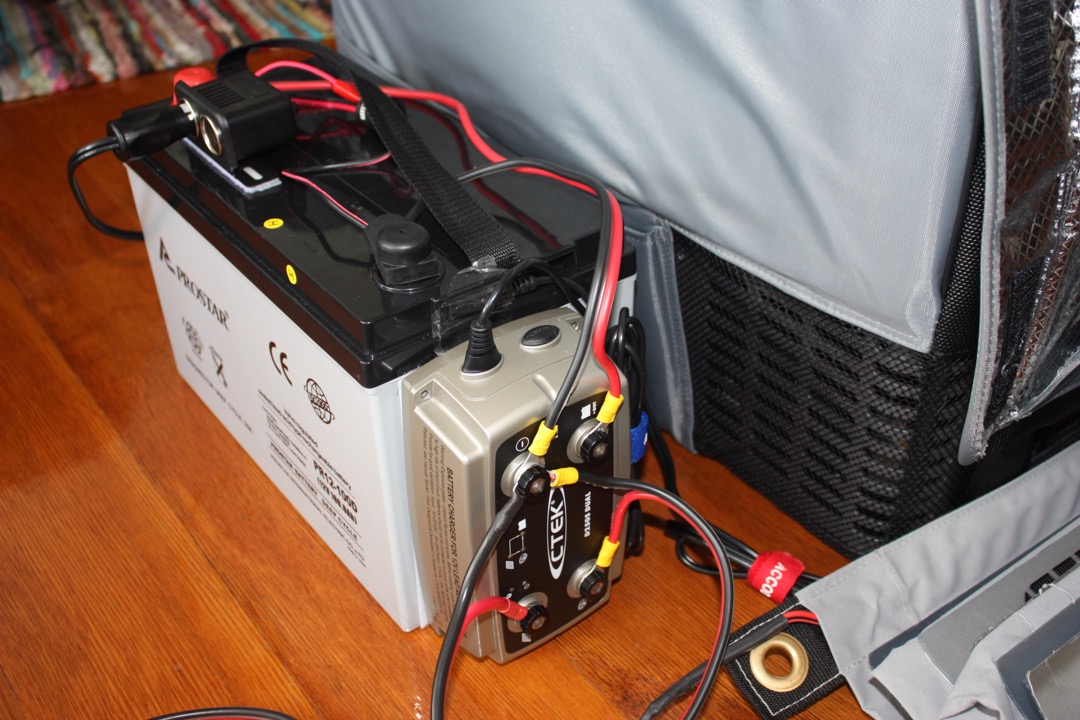
Nobody thinks about their car battery until the morning it leaves them stranded. That is the fundamental problem with batteries — they give almost no warning. A battery that started the car perfectly yesterday can be completely dead today, and unlike a worn brake pad or a leaking hose, you cannot see the failure coming by looking at it. In twenty-plus years in the shop, I have watched countless drivers get towed in for a no-start that a ten-minute test the previous fall would have predicted. Battery maintenance is not complicated and it is not expensive. It is just ignored, right up until it costs someone a tow, a missed flight, or a jump-start in a freezing parking lot.
This guide is about changing that — understanding what actually kills a car battery, learning the simple tests that predict failure, and building the handful of habits that reliably add years to a battery’s life. None of it requires special skill. It requires knowing what matters and doing a few small things on a schedule.
What Actually Kills a Car Battery
Batteries do not usually die of old age in the way people imagine. They die of specific, identifiable causes, and understanding those causes is the whole key to preventing them.
The number one killer is heat. This surprises people because batteries fail in winter, but the chemistry that destroys a battery — electrolyte evaporation, corrosion of the internal lead plates, and breakdown of the grid structure — accelerates dramatically in high temperatures. A battery living in a 120-degree engine bay through a desert summer is aging internally far faster than one in a cold climate. Heat does the damage; winter cold simply exposes a battery that heat already weakened, because a cold battery delivers only about half its rated cranking power.
The second killer is chronic undercharging, almost always caused by short trips. A battery is recharged only while the engine runs, and a single cold start pulls out a big chunk of charge. If your drives are consistently under fifteen or twenty minutes, the alternator never fully replaces what the starter took, and the battery lives permanently at partial charge. Partial charge causes sulfation — hard lead-sulfate crystals building up on the plates — which permanently reduces capacity. This is why a car that only does short errands eats batteries.
The third killer is vibration. A battery that is not clamped down tightly bounces on rough roads, and that physical shock cracks the internal plates and loosens connections. A loose hold-down is one of the most common causes of premature failure that owners never suspect. The fourth is parasitic drain and charging system faults — an alternator that over- or undercharges, or an electrical draw that flattens the battery while the car is parked. If you keep replacing batteries and they keep dying young, the battery is not the problem; the charging system is.
Test Before You Trust: Know Your Battery’s Real Condition
The single most valuable habit in battery maintenance is testing, because a battery gives no warning on its own. Voltage alone is not enough — a battery can read a healthy 12.6 volts at rest and still fail under the load of cold cranking. What you need is a load test, which applies a calibrated load and watches whether voltage holds.
A resting voltage reading tells you state of charge: 12.6 volts or higher is fully charged, 12.4 is about 75 percent, 12.2 is 50 percent, and anything at or below 12.0 volts is effectively discharged and needs attention. But state of charge is not the same as health. A dedicated battery tester measures cold-cranking amps against the battery’s rating and tells you whether it can actually do its job. Most auto parts stores will load-test a battery free in about ten minutes, but if you want to check on your own schedule — especially every fall once the battery passes three years old — a good home tester pays for itself the first time it saves you a tow. Our guide to the best car battery testers covers the units worth owning, from simple voltmeters to conductance testers that read cranking amps directly.
The rule I give every customer: load-test every fall starting at year three. A battery under three years rarely fails without an external cause. A battery over four is on borrowed time, and testing before winter catches the summer heat damage before the cold exposes it in a parking lot.
Terminal Corrosion: The Ten-Minute Fix That Prevents No-Starts
That white, blue, or green crust on the battery terminals is not cosmetic — it is a genuine electrical problem, and it is one of the most common causes of a slow crank or an intermittent no-start on a battery that is otherwise perfectly healthy.
Corrosion forms when hydrogen gas vents during charging and reacts with moisture and metal. It is a poor conductor, so it chokes current flow in both directions — starving the starter of cranking amps and blocking the alternator from fully recharging the battery. A car that cranks slowly or a battery that never stays charged often has nothing wrong except a corroded connection.
Cleaning it takes ten minutes twice a year. Disconnect the terminals — negative first, always — then scrub the posts and clamps with a wire brush and a paste of baking soda and water, which neutralizes the acid. Rinse lightly, dry everything, reconnect positive first and negative last, and finish with a thin coat of dielectric grease or a felt anti-corrosion washer to slow it coming back. While you are in there, check the hold-down clamp is tight — that one check prevents the vibration damage that quietly kills so many batteries early. This kind of small routine service is exactly what belongs on a proper car maintenance schedule so it actually gets done instead of forgotten.
One shop tip that saves grief on modern vehicles: before you disconnect the battery, plug a memory-saver into the OBD-II port or the accessory socket. Late-model cars lose more than the radio presets when the battery is disconnected — many require a relearn for idle, power windows, and sunroof travel, and some radios lock out until you enter a security code. A five-dollar memory-saver holds enough voltage to keep the modules awake through a terminal cleaning and spares you a round of recalibration afterward.
Keep It Charged: Maintainers and Smart Chargers
If there is one piece of equipment that extends battery life more than any other, it is a smart maintenance charger. Because sulfation from chronic partial charge is a leading cause of early death, keeping a battery topped up is the most direct thing you can do to make it last.
You need a maintainer if any of these describe you: your car sits for days or weeks between drives, you only do short trips, you have a second or seasonal vehicle, or you live somewhere with brutal summers where keeping the battery fully charged helps it resist heat degradation. A modern smart charger — sometimes called a trickle charger or battery tender — monitors the battery and delivers exactly the charge it needs, then switches to a float mode that maintains it without overcharging. You can leave one connected indefinitely. Our roundup of the best car battery chargers breaks down maintainers, full chargers, and the AGM-compatible units you must use if your vehicle has an AGM battery — charging an AGM battery on an old flooded-only charger can overcharge and ruin it.
Even if you cannot leave a charger connected, the behavioral version works: take one sustained drive of thirty minutes or more every week or two to fully recharge. A battery that is regularly returned to full charge simply lasts longer, full stop.
Cold Weather: Where Weak Batteries Go to Die
Winter does not so much damage batteries as expose the ones summer already weakened. A battery at zero degrees Fahrenheit delivers roughly half its warm-weather cranking power, while cold-thickened oil makes the engine harder to turn — so a battery that heat quietly degraded to 60 percent capacity still starts fine in July and fails on the first hard freeze.
The defenses are straightforward. Load-test in the fall and replace a marginal battery before winter rather than waiting for the no-start — the failure always comes on the coldest morning in the worst location. Keep the battery fully charged going into the cold, since a full battery resists freezing and delivers more cranking power. If the car parks outside, a car cover reduces the overnight temperature swings, and a garage is better still. Battery care is one line item in the bigger job of getting a car ready for the season — our full winterization checklist covers the battery alongside tires, coolant, and the emergency gear that matters when something does go wrong.
And prepare for the possibility anyway. Even a well-maintained battery can fail, so a self-contained jump starter in the trunk means a dead battery is a two-minute inconvenience instead of a stranding. If you do end up needing a jump, doing it in the right order matters for both safety and your electronics — our guide to jump-starting a car safely walks through the correct cable sequence step by step.
Two Things Every Modern Car Owner Should Know
A couple of things have changed in the last decade that most battery advice online still ignores, and both matter.
The first is stop-start and AGM batteries. If your car shuts the engine off at red lights, it almost certainly has an AGM battery and a smart charging system that has to be told a new battery was installed. On many late-model vehicles, replacing the battery requires a battery registration — a reset done with a scan tool through the OBD-II port so the charging system knows it is dealing with a fresh battery and charges it correctly. Skip the registration and the system keeps using the old battery’s charging profile, which either overcharges or undercharges the new one and shortens its life. Two rules follow from this: never replace an AGM battery with a cheaper standard flooded one, and if your car has stop-start, either register the battery yourself with a capable scanner or have it done. A basic code reader will not do it — you need a tool that supports service functions, which is worth knowing before you shop for one; our OBD2 scanner guide flags which units handle battery registration.
The second is telling a bad battery apart from a bad alternator. These get confused constantly, and replacing the wrong one wastes money. The quick shop test: with the engine off, a healthy battery reads about 12.6 volts. Start the engine and the reading should climb to roughly 13.8 to 14.7 volts — that is the alternator charging. If it stays down around 12 volts with the engine running, the alternator is not charging and no new battery will fix it. If a brand-new battery goes flat within days or weeks, suspect a parasitic draw — something staying powered while the car is parked — and diagnose the charging system before buying yet another battery. A battery that keeps dying young is almost never a bad battery.
When to Stop Nursing It and Replace
There is a point where maintenance stops being the answer and replacement is the honest call. Replace the battery — do not keep nursing it — when it is past four to five years old and load-tests weak, when it has left you stranded two or more times, when it cranks slowly on warm mornings (a sign it is already marginal and will not survive cold), or when the case is swollen or leaking, which means heat has warped it internally.
The mistake I see constantly is trying to squeeze one more season out of a battery the owner already knows is weak. A proactive replacement costs the same battery you were going to buy anyway, on your schedule, in your driveway. A reactive replacement costs the same battery plus a tow, plus whatever the failure interrupted. There is no scenario where waiting for the failure is cheaper. When the test says the battery is done, believe it.
The Battery Maintenance Routine
Here is the whole program, and it takes less than an hour a year total:
| Task | How Often | Time |
|---|---|---|
| Visual check of terminals and hold-down clamp | Every oil change | 2 min |
| Clean terminals and apply anti-corrosion protection | Twice a year | 10 min |
| Load-test the battery | Every fall, starting year 3 | 10 min |
| Check resting voltage with a voltmeter | Monthly if car sits often | 2 min |
| Connect a maintenance charger | Whenever the car sits > a few days | 1 min to connect |
| Take a sustained 30-minute drive | Every 1–2 weeks | — |
| Check electrolyte (serviceable batteries, hot climates) | Twice a year in summer | 5 min |
That is the entire difference between a battery that dies at three years and the same battery lasting six. None of it is hard. It is just a matter of paying a little attention on a schedule instead of no attention until the morning it strands you.
Final Word from the Shop
Every one of the dead-battery tows I see is preventable, and almost all of them come down to the same thing: nobody tested the battery, nobody cleaned the terminals, and nobody kept it charged. The battery gave no warning because batteries never do — but the load test would have, the terminals would have shown corrosion months earlier, and a maintainer would have kept it healthy through every short trip and every long sit.
If you take three things from this guide, make them these. Load-test your battery every fall once it passes three years old, and replace it proactively when the test says it is weak. Clean and protect the terminals twice a year, and make sure the hold-down is tight. And if your car does short trips or sits between drives, put it on a smart maintenance charger. Those three habits cost almost nothing in time and money, and they are the entire reason some drivers get six reliable years out of a battery while others are buying a new one every three and still getting stranded. Battery care is the highest-payoff, lowest-effort maintenance on the whole car. Do the small things, and the battery will never be the reason your morning goes wrong.
Buyer's Guide
Battery life is not luck and it is not brand — it is the interaction of six factors specific to your car and how you use it. Understand where you fall on each and you can predict, and extend, how long your battery lasts.
Your Climate
Climate is the single biggest determinant of battery life, and it works the opposite of how most people assume. Heat is the killer — it evaporates electrolyte, corrodes the internal plates, and degrades the grid structure, and it does this silently through every summer. Drivers in Arizona, Nevada, Texas, Florida, and Southern California should plan on three-to-four-year battery life and load-test annually starting at year three. Cold does not damage the battery so much as expose damage already done — it cuts available cranking power roughly in half at zero degrees while simultaneously making the engine harder to turn. Northern drivers get longer battery life on average but face the winter no-start risk, which is why fall load-testing matters most there. If you live somewhere with brutal summers, the practical defense is parking in shade or a garage whenever possible and keeping the battery fully charged, since a fully charged battery resists heat degradation better than a partially charged one.
Your Driving Pattern
How you drive matters as much as where you live. A battery is recharged only while the engine runs, and a cold start pulls a large chunk of charge that takes sustained driving to replace. Short-trip drivers — anyone whose typical drive is under 20 minutes — keep their battery in a chronic partial-charge state that causes sulfation and early death. Long-commute drivers fully recharge on every trip and see battery life at the top of the range. If your pattern is short hops, school runs, and errands, your battery is working against you, and the countermeasure is either a weekly longer drive or a maintenance charger between uses. Drivers whose cars sit for days or weeks — second vehicles, RVs, seasonal cars, work trucks used intermittently — face the worst case: self-discharge plus parasitic electronic draw slowly flattening the battery, then sulfation setting in. Those vehicles genuinely need a maintainer to reach a normal lifespan.
Battery Type and Age
Not all batteries are the same chemistry, and the type changes both lifespan and how you maintain it. Standard flooded lead-acid batteries are the most common, the cheapest, and the shortest-lived, typically three to five years. AGM (absorbed glass mat) batteries, now standard on most vehicles with stop-start systems and common as an upgrade, cost more but last longer, tolerate deep discharge better, and handle heat better — often five to seven years. The critical maintenance rule with AGM is that it requires an AGM-compatible charger; charging an AGM battery with an old-style charger set for flooded batteries can overcharge and damage it. Regardless of type, age is the number one predictor of failure. A battery under three years old rarely fails without an external cause. A battery over four years old is on borrowed time and should be tested every fall — the date code stamped on the case tells you exactly how old it is, and it is worth knowing rather than guessing.
Charging System Health
The battery does not exist in isolation — it lives inside a charging system, and a fault anywhere in that system will kill a healthy battery or hide a failing one. An alternator that undercharges leaves the battery chronically flat, causing sulfation and early death. An alternator or voltage regulator that overcharges cooks the battery, boiling off electrolyte and warping plates, and produces heavy corrosion on the positive terminal. A parasitic draw — a glovebox light that stays on, an aftermarket accessory wired wrong, a failing module that will not sleep — drains the battery while the car is parked. Any of these will send you replacing battery after battery and blaming the batteries. The diagnostic tools are a voltmeter (a healthy system reads about 13.8 to 14.7 volts at idle with the engine running) and, for parasitic draw, a multimeter in the current loop. If you replace a battery and the new one dies within a year, the problem is almost never the battery — it is the charging system, and it is worth a proper diagnosis before you buy a third one.
How the Car Is Stored
Where and how the vehicle sits between drives affects both temperature exposure and self-discharge. A garaged car — especially in a garage that stays above freezing and out of summer heat — gives the battery the gentlest possible environment and adds meaningful life. An outdoor-parked car in direct sun bakes the battery in summer and cold-soaks it in winter, both of which shorten life; a quality car cover reduces the temperature swings and the under-hood heat load. Cars that sit unused are the hardest case, because modern vehicles have dozens of electronic modules that draw small parasitic currents even when parked, slowly flattening a battery over days or weeks until sulfation sets in. For any vehicle that sits more than a few days at a time, a smart maintenance charger left connected is the difference between a battery that lasts its full life and one that dies in a year. Storage is the factor owners most often overlook and the one a maintainer most directly solves.
Maintenance Discipline
The final factor is simply whether anyone is paying attention. Batteries reward a small amount of routine attention out of all proportion to the effort. Keeping the terminals clean prevents the resistance that starves the starter and blocks recharging. Keeping the battery fully charged prevents sulfation. Load-testing every fall past year three catches a weak battery before it strands you. Checking the hold-down clamp prevents vibration damage, which cracks internal plates and is a leading cause of premature failure that owners never suspect. On serviceable (non-sealed) flooded batteries, checking and topping the electrolyte with distilled water in hot climates prevents the plates from being exposed and destroyed. None of this takes more than a few minutes a couple of times a year, and it is the entire difference between a battery that dies at three years and the same battery lasting six. Battery maintenance is the highest return-on-effort maintenance task on the entire car.
Frequently Asked Questions
How long should a car battery last?
Does driving more often actually keep a battery healthy?
Is heat or cold worse for a car battery?
What causes battery terminal corrosion, and does it matter?
Can a completely dead battery be recharged, or is it ruined?
Related Articles
How to Winterize Your Car: A 20-Point ASE Technician's Checklist (2026)
roadside-safety
How to Jump Start a Car Safely: A Step-by-Step Guide From an ASE Master Tech (2026)
roadside-safety
7 Best Car Battery Chargers of 2026
car-electronics
9 Best Car Battery Testers of 2026
car-electronics
7 Best Car Covers of 2026
car-accessories
About the Reviewer

Mike Reeves, ASE Master Technician
A.A.S. Automotive Technology, Universal Technical Institute (UTI)
Mike Reeves is an ASE Master Technician with 15 years of hands-on experience in automotive repair and diagnostics. He earned his A.A.S. in Automotive Technology from UTI and runs his own independent shop in Denver, Colorado. Mike founded RevRated to help everyday car owners make smarter parts decisions -- every recommendation comes from real-world testing in his garage.