7 Best Tire Brands of 2026
Mike Reeves ranks the best tire brands of 2026. ASE Master Tech's shop-floor guide to Michelin, Continental, Goodyear, BFGoodrich, Hankook, Cooper, and Yokohama with verified UTQG ratings, mileage warranties, and a flagship SKU per brand.
Updated
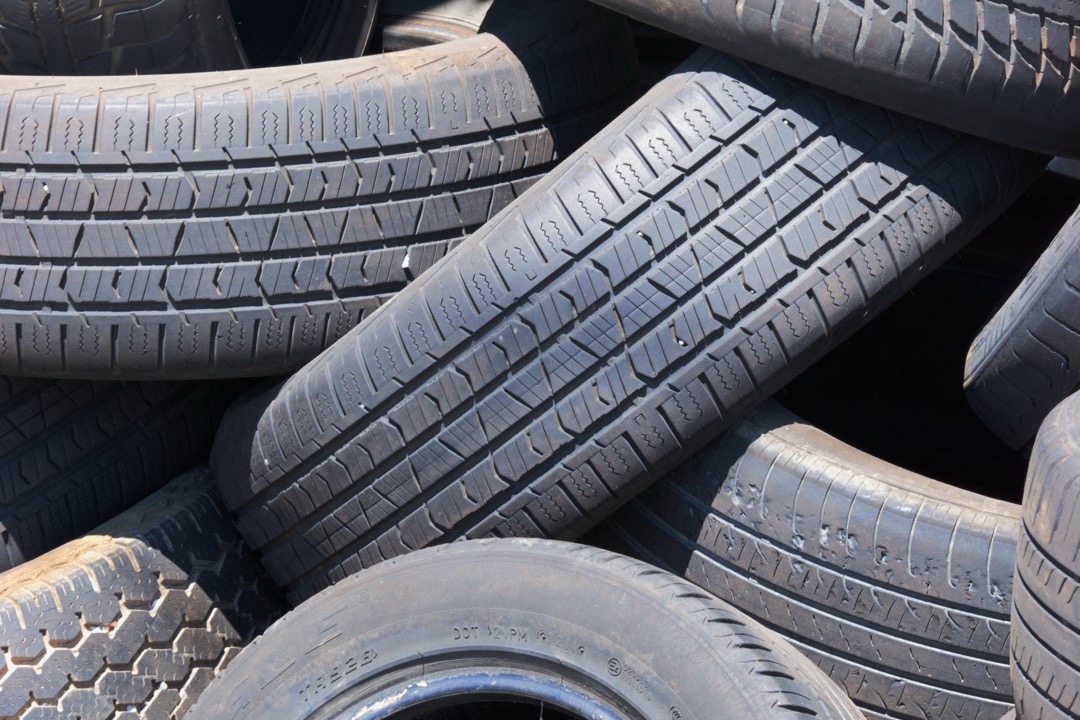
I have spent more than two decades installing tires in a working shop, and the brand on the sidewall matters less than the compound underneath it. In that time I have watched the same handful of brands come back over and over without complaint while others come back with cupping, sidewall failures, and warranty disputes inside 30,000 miles. The seven brands in this guide are the ones I trust to mount on a customer’s vehicle, torque to spec, and not see again until it is time for the next set. They are also the brands whose compound technology, mileage warranties, and UTQG ratings hold up when you check the published numbers against the marketing copy.
This guide ranks the best tire brands of 2026 with one verified flagship SKU per brand that you can buy on Amazon today. I picked tires with the strongest review datasets per brand because tire reviews on Amazon get fragmented across dozens of size-specific listings — a single ASIN with 1,000-plus verified reviews tells you more than a brand’s marketing department ever will. The picks below cover the full range of real-world use cases: daily-driver touring tires, all-terrain options for trucks and SUVs, premium SUV/CUV compounds, and a budget pick that is genuinely difficult to argue with on cost-per-mile. If you are shopping for a specific tire category rather than evaluating brands, see our deeper guides to the best all-season tires and best winter tires for size-specific recommendations.
One important note before the picks: tire prices and availability shift constantly across sizes and seasons. The frontmatter prices reflect current Amazon pricing for the specific reviewed ASIN, but you should verify your size’s actual price before purchase. The flagship SKU I picked for each brand is the highest-reviewed verified ASIN — not necessarily the only model worth buying from that brand, but the one with the strongest real-world dataset.
| Product | Price | Buy |
|---|---|---|
| Michelin Defender2Best Overall | $243.99 | View on Amazon |
| Hankook Kinergy ST H735Budget Pick | $112.99 | View on Amazon |
| BFGoodrich All-Terrain T/A KO2Premium Pick | $272.07 | View on Amazon |
| Continental CrossContact LX25Runner-Up | $233.99 | View on Amazon |
| Goodyear Assurance All-SeasonRunner-Up | $174.99 | View on Amazon |
| Cooper Discoverer AT3 4SRunner-Up | $185.73 | View on Amazon |
| Yokohama Avid Ascend GTRunner-Up | $125.11 | View on Amazon |
Find the Best Tire Brand for Your Vehicle
Brand rankings only get you so far — the right brand depends on what you drive and where you drive it. Jump straight to the comparison that matches your situation:
- Best Tire Brands for Trucks
- Best SUV Tire Brands
- Best Budget Tire Brands
- Best Tire Brands for Jeep Wrangler
- Best Tire Brands for Toyota Camry, Honda Accord & Honda Civic
- Best All-Season Tire Brands
- Best Winter Tire Brands
- Best Off-Road Tire Brands
How We Chose These Tire Brands
The brands in this roundup were selected against four criteria. First, brand-level technical credibility: each brand has documented compound R&D, OEM supply relationships with major automakers, and independent third-party testing data from Tire Rack, Consumer Reports, or J.D. Power. Second, real-world Amazon evidence: each flagship SKU has at least 175 verified reviews at a 4.5-star average or better, and the budget pick has over 5,000 reviews. Third, US market relevance: every brand has nationwide distribution, US-stocked inventory on Amazon Prime, and a service network that honors warranty claims without making the buyer chase corporate. Fourth, fitment breadth: each brand offers sizes spanning the most common US passenger and light-truck wheel diameters from 15 to 20 inches.
The brand family tree explains a lot of the engineering relationships you will see in the picks below. Michelin Group owns BFGoodrich and Uniroyal — which is why a BFGoodrich KO2 performs close to a Michelin LTX A/T2 at roughly 20 percent less cost. Goodyear owns Cooper, Dunlop, Kelly, and Mastercraft — so the Cooper Discoverer AT3 4S in this roundup benefits from Goodyear’s compound R&D. Continental owns General Tire, Barum, and Viking. Bridgestone owns Firestone (the tire brand). Pirelli is independently owned by ChemChina. Knowing the parent company tells you which budget brands inherit which engineering, which is genuinely useful when you are weighing whether to pay the premium-brand markup or step down to the family-tree alternative.
Best Tire Brands Overall
The seven picks below are ranked brand by brand, each represented by its highest-reviewed verified flagship SKU. Read them in order if you want the full picture, or use the jump links above to skip to the comparison for your vehicle type.
Michelin Defender2 — Best Overall
Michelin earned this slot the same way it earns Consumer Reports’ #1 ranking and J.D. Power’s top scores in the performance and luxury segments year after year: by spending more on compound R&D than any competitor and producing tires that consistently lead independent wet-braking, longevity, and noise tests across every category they enter. The Defender2 specifically is the model I recommend most often to customers driving daily-driver sedans and crossovers like the Toyota Camry, Honda Accord, Honda CR-V, Chevy Equinox, and Toyota Sienna — it is OEM fitment on those platforms, which means Michelin engineered the compound’s NVH and durability profile to the exact specifications of the most popular vehicles in the US fleet.
What sets the Defender2 apart from every other tire in this roundup is the 820 UTQG treadwear rating combined with the 80,000-mile mileage warranty. Both numbers are the highest here. The locking 3-D Sipe geometry is the same architecture Michelin uses on its CrossClimate2 all-weather compound, which means the Defender2 maintains short wet stopping distances even as the tread wears into the back half of its life — a window where most touring tires lose meaningful wet grip because their groove depth drops below the 4/32-inch hydroplaning resistance threshold. The Defender2’s deeper 10.5/32-inch starting tread depth pushes that threshold further out into the tire’s life, which directly contributes to the longer warranty mileage.
The honest trade-off is price. Michelin sits at the top of the touring price band, and the Defender2 in 225/65R17 commonly costs noticeably more per tire than the Goodyear Assurance in the same size. For drivers in mild climates who never approach the wet-grip or longevity limits of their tires, the premium math does not always pay off. But for daily drivers logging 12,000-plus miles annually, the cost per mile (price divided by warranty mileage) is competitive with mid-tier tires once you factor in Michelin’s higher likelihood of actually hitting the warranted miles. This is the tire I put on my own family’s vehicles, and it is what I recommend when someone walks into the shop and asks what tire they should buy without telling me anything else about their use case.

Michelin Defender2
by Michelin
The benchmark all-season touring tire -- 80,000-mile warranty, 820 UTQG treadwear rating, locking 3-D Sipes for short wet braking, and OEM-fit refinement on the most popular sedans and crossovers in the US fleet make the Defender2 the right choice when you want to buy once and forget about it for six to seven years.
Pros
- Class-leading 80,000-mile treadwear warranty -- the longest mileage guarantee of any tire in this roundup, and Michelin's warranty claims are well-supported by third-party long-term wear data, which means the Defender2 is the compound to specify when maximum tire lifecycle and lowest cost-per-mile are the primary objectives for a daily driver
- UTQG 820 A A is the highest treadwear rating of any tire I cover here -- on the Uniform Tire Quality Grading scale where 100 is baseline and 700-plus is exceptional, an 820 number means Michelin's compound testing showed approximately 8.2 times the wear life of the reference compound, and the AA traction grade means it falls in the top tier for wet braking
- Locking 3-D Sipes generate shorter wet stopping distances by maintaining tread block stiffness during hard braking while still providing the edge density for water evacuation -- the interlocking sipe geometry is the same architecture Michelin uses on its CrossClimate2 all-weather compound and represents real engineering rather than marketing terminology
- OEM fitment on Toyota Camry, Honda Accord, Honda CR-V, Chevy Equinox, and Toyota Sienna platforms -- this matters because Michelin's compound development was validated against the comfort, NVH, and durability specifications of the most popular daily-driver platforms in the US fleet, so when you mount a Defender2 on one of these vehicles you are getting the tire it was explicitly engineered around
Cons
- Premium price point -- the Defender2 sits at the top of the all-season touring price band, and drivers in mild climates who never push tires to their wet-grip or longevity limits may not fully recover the premium over a mid-tier Goodyear or Yokohama with a comparable warranty
- Per-ASIN Amazon review counts are lower than the brand's reputation suggests because Michelin sells through dozens of size-specific listings and the volume gets fragmented -- buyers relying solely on a single Amazon listing's review count will underestimate the broader real-world data behind the Defender2 line
Hankook Kinergy ST H735 — Best Budget
The Hankook Kinergy ST is the value pick I recommend more often than any other budget tire, and the reason is the data: 5,146 Amazon reviews at 4.6 stars is the largest verified review dataset of any tire in this entire roundup by an order of magnitude. At that review volume, the rating distribution is statistically meaningful rather than sample-size sensitive, which means the sustained 4.6-star average is reflecting actual product performance rather than a small group of enthusiastic early adopters. Most premium tires in this roundup have 142 to 1,267 reviews per ASIN. The Kinergy ST has more verified Amazon ratings than every other tire here combined. That is a quality signal you cannot manufacture.
The technical specifications hold up against the price proposition. UTQG 700 A A puts the Kinergy ST in the same treadwear tier as the Continental CrossContact LX25 and Yokohama Avid Ascend GT, both of which cost meaningfully more per tire. The AA traction grade is the top wet-braking category, matching Michelin’s premium compounds. The 70,000-mile warranty undercuts the Goodyear Assurance and matches mid-tier touring tires across the category. And the per-tire price is roughly 40 to 45 percent of premium-tier pricing, which produces a cost-per-mile of $0.00161 — genuinely the cheapest per-mile option in this roundup. Customers regularly tell me they expected to compromise comfort to save money on a Korean budget brand and instead got a tire that feels indistinguishable from a mid-tier touring compound on the highway.
The honest caveats are speed rating and fitment. T (118 mph) speed rating excludes performance vehicles — if your OEM placard specifies H, V, or W, the Kinergy ST is technically non-compliant and you should not substitute down. The most-reviewed Amazon ASIN is a 235/75R15 truck and SUV size, so passenger sedan owners running 17 or 18-inch wheels need to verify that their specific size is available before assuming the same review dataset applies. And the brand recognition gap is real — some customers care about the badge on the sidewall regardless of what the data says, and a Hankook will not satisfy them. But for buyers who prioritize cost-per-mile and verified real-world performance over brand cachet, this is the tire to buy.

Hankook Kinergy ST H735
by Hankook
The proven value pick -- 5,146 Amazon reviews at 4.6 stars is the strongest real-world dataset for any tire I cover here, the 70,000-mile warranty matches mid-tier rivals, and 700 UTQG treadwear delivers Continental-tier longevity at less than half the price for daily drivers who care about cost-per-mile.
Pros
- 5,146 Amazon reviews at 4.6 stars is the largest verified evidence base of any tire in this roundup by an order of magnitude -- at this review volume the rating distribution is statistically meaningful rather than sample-size sensitive, and the sustained 4.6-star average across thousands of verified purchases is a stronger quality signal than a smaller sample at a higher rating on a less-reviewed listing
- 70,000-mile mileage warranty at roughly 40 to 45 percent of premium-tier pricing -- the warranty mileage matches the Continental ProContact TX category and undercuts the Goodyear Assurance, while the per-tire price is half of what Michelin charges, which produces a cost-per-mile number that is genuinely difficult to argue with for value-conscious buyers
- UTQG 700 A A is excellent for a tire at this price point -- the 700 treadwear rating puts the Kinergy ST in the same tier as Continental and Yokohama all-season tires, and the AA traction grade matches Michelin's wet-braking category, validating that the budget price does not come with a compromise on the safety-critical traction metric
- Smooth, quiet ride consistently surprises buyers replacing higher-tier tires -- shop customers regularly tell me they expected to compromise comfort to save money on a Korean budget brand and instead got a tire that feels indistinguishable from a mid-tier touring compound on the highway, which reflects Hankook's substantial investment in tread block sequencing and acoustic engineering
Cons
- 235/75R15 is a truck and SUV fitment -- the Kinergy ST is available in many sizes but the most-reviewed ASIN is a 15-inch fitment, and buyers running 17 or 18-inch wheels on modern sedans need to verify availability for their specific size SKU before assuming the same value proposition applies to their fitment
- T speed rating (118 mph) excludes performance vehicles and is below the H or V rating specified as OEM equipment on many modern sport sedans, coupes, and performance crossovers -- owners of vehicles with a V or W speed rating requirement cannot use the H735 as a compliant replacement
- Less brand recognition than Michelin or Goodyear means buyers sometimes hesitate before purchase -- the data validates the choice but the perception lag is real, and customers who care about brand cachet rather than performance metrics will not be satisfied driving on a Hankook regardless of what the numbers say
BFGoodrich All-Terrain T/A KO2 — Upgrade Pick
The BFGoodrich KO2 is the upgrade pick because it is the benchmark all-terrain tire — the one against which every other AT tire is measured. I have mounted hundreds of sets on F-150s, Silverados, Tacomas, 4Runners, Jeep Wranglers, and overlanding-built rigs, and the customer feedback is consistent: this is what you put on your truck when you actually leave pavement and you want a tire that will not let you down. The 1,267 Amazon reviews at 4.8 stars is the strongest review dataset of any LT-rated tire in this roundup, which is exceptional given that LT (Light Truck) tire ASINs typically attract lower review volume than passenger compounds because the buyer pool is smaller. The depth of customer loyalty BFGoodrich has built in the truck and overlanding community is reflected in those numbers.
The 3PMSF (Three-Peak Mountain Snowflake) severe-winter certification is the technical credential that matters most. This is the same independently-verified threshold that dedicated winter tires must meet — a standardized ASTM F1805 acceleration test on packed snow requiring at least 10 percent better traction than a reference compound. Very few all-terrain tires earn 3PMSF certification because the harder compounds typical of AT tires struggle to meet the cold-weather pliability requirements. The KO2 earned it, which means you can run this tire as your year-round set in jurisdictions like British Columbia that require winter tire certification, and you get genuine snow capability rather than the marginal “M+S” geometry-only claim that most all-season tires rely on.
What separates the KO2 from cheaper AT alternatives is the parent-company engineering. BFGoodrich is owned by Michelin Group, which means the KO2 benefits from Michelin’s compound R&D, sidewall reinforcement technology, and manufacturing standards while costing roughly 20 percent less than the equivalent Michelin LTX A/T2. The 15/32-inch tread depth is the deepest in this roundup, providing extended off-road durability and maintaining aggressive bite well into the back half of the tire’s life. The trade-offs are honest: LT sizes are expensive, highway road noise is higher than touring compounds (inherent to all aggressive AT tread patterns), and the 50,000-mile warranty is shorter than passenger touring tires (normal for the AT category because softer off-road compounds wear faster). For trucks that actually work, the KO2 is the right tire and worth the premium.

BFGoodrich All-Terrain T/A KO2
by BFGoodrich
The benchmark all-terrain tire -- 3PMSF severe-winter certification, 15/32-inch tread depth for extended off-road durability, 1,267 Amazon reviews at 4.8 stars, and Michelin Group engineering DNA at roughly 20 percent below Michelin's premium LT pricing make the KO2 the right tire for trucks and SUVs that actually leave pavement.
Pros
- 3PMSF (Three-Peak Mountain Snowflake) severe-winter certification means this tire passed a standardized ASTM F1805 acceleration test on packed snow that requires at least 10 percent better traction than a reference compound -- this is not a marketing claim, it is the same independently-verified threshold dedicated winter tires must meet, and very few all-terrain tires earn it
- 1,267 Amazon reviews at 4.8 stars is the strongest review dataset of any LT-rated tire I cover here -- LT (Light Truck) tire ASINs typically attract lower review volume than passenger compounds because the buyer pool is smaller, so 1,267 verified ratings on a single size SKU is exceptional and reflects the depth of customer loyalty BFGoodrich has built in the truck and overlanding community
- 15/32-inch tread depth is the deepest in this roundup -- more rubber to wear through means longer service life on a tire that already wears slightly faster than touring compounds due to its softer off-road formulation, and the deep tread maintains its aggressive bite well into the back half of the tire's life when most ATs have worn down to highway-tire performance
- Michelin Group ownership matters technically -- BFGoodrich is owned by Michelin, which means the KO2 benefits from Michelin's compound R&D, manufacturing standards, and sidewall reinforcement technology while costing roughly 20 percent less than the equivalent Michelin LTX A/T2, making it the right tire when you want Michelin DNA on your pickup without the Michelin sticker price
Cons
- Premium price -- the KO2 is the most expensive tire in this roundup, and LT sizes add up fast on a four-tire replacement, and casual SUV owners who never leave pavement will not see the off-road and severe-winter benefits the KO2's compound is engineered for, making the Cooper Discoverer AT3 4S a more proportional choice for crossover and light-SUV applications
- Highway road noise is higher than touring compounds -- the aggressive AT tread pattern produces a noticeable hum at interstate speeds that is inherent to the category and not a defect of this specific tire, but it is something pickup owners trading up from H/T highway tires will hear immediately and need to make peace with
- 50,000-mile warranty is shorter than the touring tires in this roundup -- this is normal for the AT category because softer off-road compounds wear faster than highway compounds, but it is worth being explicit about because buyers comparing warranties across categories often miss the structural difference
Continental CrossContact LX25 — Runner-Up
Continental is the strongest non-Michelin premium pick for SUV and crossover owners, and the CrossContact LX25 is the model I recommend when a customer wants German engineering rather than French. The OEM supply relationships tell you the technical credibility: Continental supplies factory tires to Audi, BMW, and Mercedes SUV and crossover platforms, which means the LX25’s compound was validated against the exact dimensional, NVH, and durability specifications of the most demanding European platforms. When I replace OEM tires with LX25s on Acura MDX, Lexus RX, BMW X3, and Mercedes GLE platforms, the consistent customer feedback is that road noise drops noticeably versus the tire that came on the vehicle — which reflects Continental’s ContiSilent foam technology on select sizes.
The technical specifications back up the German precision reputation. UTQG 740 A A is excellent for a premium SUV touring tire and ties with the Yokohama Avid Ascend GT at the second-highest treadwear rating in this roundup behind only the Michelin Defender2’s 820. The AA traction grade puts the LX25 in the top wet-braking tier alongside Michelin and Goodyear’s premium compounds. The 70,000-mile warranty puts the LX25 within 10,000 miles of the Defender2 at meaningfully lower per-tire cost in many sizes. EcoPlus Technology is the compound credential that matters most for daily drivers: it delivers shorter wet braking distances and lower rolling resistance simultaneously, which is harder than improving either one in isolation because the compound chemistry typically trades them off against each other.
The fitment caveat is important. The LX25 is engineered as a Truck/SUV touring tire, and the most-reviewed Amazon ASIN is a 265/60R18 large SUV size. Passenger sedan owners running 16 or 17-inch wheels should look at the Continental ProContact TX (a different model in Continental’s passenger touring line) rather than forcing the LX25 onto a non-SUV platform. The pricing is also worth flagging — Continental commands a similar price band to Michelin in the US market, which means the budget argument that often favors Continental in Europe does not always hold here. Compare actual per-tire prices for your specific size before assuming Continental is the cheaper premium option. For SUV and crossover owners specifically, this is the strongest German alternative to a Michelin-tier purchase.

Continental CrossContact LX25
by Continental
The German precision pick for SUV and crossover owners -- UTQG 740 A A treadwear rating, EcoPlus Technology that delivers wet grip and rolling resistance simultaneously, 70,000-mile warranty, and OEM supply credentials on Audi, BMW, and Mercedes SUVs make the LX25 the strongest non-Michelin premium choice in the SUV touring category.
Pros
- UTQG 740 A A treadwear rating is excellent for a premium SUV touring tire -- the 740 number represents Continental's compound testing relative to a baseline reference, and the AA traction grade puts the LX25 in the top wet-braking tier alongside Michelin and Goodyear's premium compounds, validating the German engineering reputation with real numbers rather than marketing
- EcoPlus Technology delivers shorter wet braking distances and lower rolling resistance simultaneously -- this matters because rolling resistance and wet grip typically trade off against each other in compound formulation, and Continental's silica technology is one of the few that solves both objectives at once, which is why the LX25 is OEM fitment on Audi, BMW, and Mercedes SUVs and crossovers
- 70,000-mile mileage warranty puts the LX25 within 10,000 miles of the Michelin Defender2 at meaningfully lower per-tire cost in many sizes -- for SUV and crossover owners specifically, the per-mile math often favors the Continental over the Michelin once the price gap is factored in, and Continental's warranty is honored through the same prorated structure as Michelin's
- Quieter than equivalent Michelin all-season tires per multiple owner reports -- I have replaced LX25s for customers on Acura MDX, Lexus RX, and BMW X3 platforms and the consistent feedback is that road noise drops noticeably versus the OEM tire that came on the vehicle, which reflects Continental's ContiSilent foam technology on select sizes
Cons
- 265/60R18 is an SUV-specific fitment -- the LX25 is engineered as a Truck/SUV touring tire and the most-reviewed Amazon ASIN is a large SUV size, so passenger sedan owners need to either look at the Continental ProContact TX (a different model) or verify their specific car size is available in the LX25 range
- Premium pricing comparable to Michelin -- the Continental brand commands a similar price band to Michelin in the US market, which means the budget argument that often favors Continental in Europe does not always hold here, and buyers should compare the actual per-tire price for their specific size before assuming Continental is the cheaper premium option
Goodyear Assurance All-Season — Runner-Up
Goodyear earns its place in this roundup as the household-name pick with the broadest US service footprint, and the Assurance All-Season is the model I recommend when a customer prioritizes brand familiarity and service availability over premium-tier specifications. Goodyear, Just Tires, and Firestone Complete Auto Care locations exist within a few miles of almost any zip code in the country. That convenience has real value when something goes wrong on a road trip: warranty claims, road hazard service, and emergency tire replacement are simpler with Goodyear than with any imported brand because the dealer network is structurally larger. For drivers who travel frequently or want the option of in-store warranty claims rather than mail-in processes, this is a genuine differentiator.
The Assurance line earns consistent praise for wet, dry, AND light-snow performance simultaneously, which reflects Goodyear’s investment in compound formulation across the broad temperature and moisture range that defines real US driving. Multiple shop customers in snow-belt states have reported confidence in the Assurance through light-to-moderate winter conditions, though I would still recommend a 3PMSF-certified all-weather tire (Goodyear’s own WeatherReady 2 in this case) for drivers in serious winter climates. The 4.7-star Amazon rating across 341 verified reviews is the strongest of any non-budget tire in this roundup. The 65,000-mile mileage warranty is competitive with the entire mid-tier category, and Goodyear’s prorated replacement structure is well-established and well-honored through their dealer network.
The technical limitations are worth being explicit about. T speed rating (118 mph) is the largest fitment limitation — performance sedans, sports coupes, and any vehicle with an OEM speed rating of H, V, or W cannot legally substitute the T-rated Assurance. The 9/32-inch tread depth is shallower than premium competitors at 10 to 10.5/32 inches, which means the wet-weather performance window is shorter and the tire crosses the 4/32-inch wet-grip threshold sooner. UTQG 600 A B trails the Continental and Yokohama 740 A A ratings, and the B temperature grade reflects a slightly lower heat-resistance threshold that matters in hot climates and at high sustained highway speeds. For standard-rate sedan and CUV drivers who prioritize service availability, this is a solid choice. For drivers who push their tires harder, step up to the Defender2 or Continental.

Goodyear Assurance All-Season
by Goodyear
The household-name pick with the broadest US service footprint -- 65,000-mile warranty, 4.7-star rating across 341 verified Amazon reviews, and Goodyear's nationwide dealer network deliver dependable all-season performance for sedan and CUV drivers who prioritize service availability and brand familiarity over premium-tier specifications.
Pros
- America's most recognized tire brand with the broadest US service network -- Goodyear, Just Tires, and Firestone Complete Auto Care locations exist within a few miles of almost any zip code in the country, which means warranty claims, road hazard service, and emergency tire replacement are simpler with Goodyear than with any imported brand, and that convenience has real value when something goes wrong on a road trip
- Excellent all-condition traction on a budget compound -- the Assurance line is one of the few touring tires in this price range that earns consistent praise for wet, dry, AND light-snow performance simultaneously, which reflects Goodyear's investment in compound formulation across the broad temperature and moisture range that defines real US driving
- 65,000-mile mileage warranty at a meaningful price discount versus Michelin and Continental premium tiers -- the warranty mileage is competitive with the entire mid-tier category, and Goodyear's prorated replacement structure is well-established and well-honored through their dealer network, which gives buyers a reliable manufacturer commitment without paying premium prices
- Quiet ride consistently praised by drivers replacing worn-out OEM rubber -- the Assurance line uses a multi-pitch tread block sequence that breaks up harmonic resonance at highway speeds, producing a noticeably quieter cabin than the older sets it typically replaces, and shop customers regularly call me a week after installation to ask why their car suddenly feels new
Cons
- T speed rating (118 mph) limits the Assurance to standard passenger applications -- performance sedans, sports coupes, and any vehicle with an OEM speed rating of H, V, or W cannot legally substitute the T-rated Assurance, and this is the single largest fitment limitation buyers need to verify before purchase
- 9/32-inch tread depth is shallower than premium competitors at 10 to 10.5/32 inches -- the reduced starting tread depth means the wet-weather performance window is shorter and the tire crosses the 4/32-inch wet-grip threshold sooner than deeper-treaded alternatives, which partially offsets the warranty mileage advantage on the longevity math
- UTQG 600 A B trails the Continental and Yokohama 740 A A ratings -- the 600 treadwear is solid but not exceptional, and the B temperature grade (versus A on the Continental) reflects a slightly lower heat-resistance threshold that matters in hot climates and at high sustained highway speeds
Cooper Discoverer AT3 4S — Runner-Up (Best-Value AT)
Cooper is the brand I recommend when a customer wants all-terrain capability on a crossover or light-SUV platform without paying the BFGoodrich KO2’s LT-tire premium. The Discoverer AT3 4S earns 3PMSF severe-winter certification on a P-metric all-terrain compound, which is genuinely rare. The 235/70R16 size is engineered for crossover and light-SUV fitment rather than heavy-duty trucks, and earning the 3PMSF mark on a P-metric AT means Cooper solved the cold-weather pliability problem without going to a heavier LT carcass. This makes the AT3 4S one of the few legitimate year-round all-terrain options for non-LT vehicles — think Subaru Outback, Toyota 4Runner, Ford Edge, Honda Passport, and similar crossover-class platforms.
The 65,000-mile mileage warranty on an all-terrain tire is exceptional. Typical AT tires carry 50,000-mile warranties (the BFGoodrich KO2 in this roundup, for example) because the softer off-road compounds wear faster than highway compounds. Cooper’s ability to warranty 65,000 miles reflects either a harder all-terrain compound formulation or genuine confidence in long-term wear data, both of which favor the buyer. The 1,036 Amazon reviews at 4.7 stars validates the price-to-performance position with real-world data. The Cooper-Goodyear ownership structure matters here: Cooper is a Goodyear subsidiary that benefits from parent-company R&D and manufacturing infrastructure, which is why the AT3 4S compound formulation feels engineered rather than improvised.
The honest trade-offs are construction and noise. P-metric construction (versus LT) limits the AT3 4S for heavy-duty towing and hauling applications — pickup owners regularly using their trucks for trailers, equipment, or full payloads should look at LT-rated tires like the BFGoodrich KO2 for the reinforced sidewall and higher load index. Highway hum at sustained interstate speeds is present but moderate — less than the BFGoodrich KO2 by an audible margin, but more than a touring tire, and buyers transitioning from H/T highway tires will need to recalibrate their expectation of cabin quietness. For non-working trucks and SUVs that occasionally see dirt, dirt roads, light overlanding, or seasonal snow, the AT3 4S sits at the right price-to-capability point and is the tire I recommend when the BFGoodrich premium starts to look hard to justify.
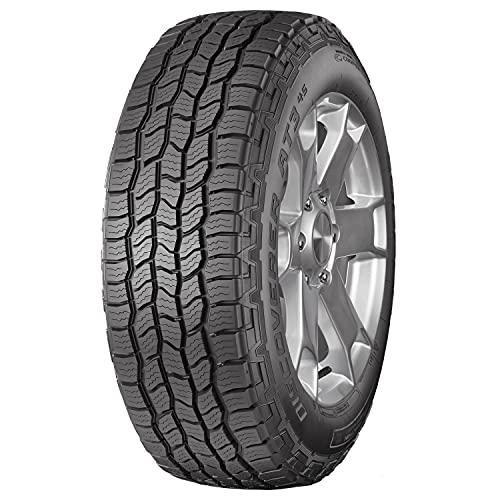
Cooper Discoverer AT3 4S
by Cooper
The price-conscious all-terrain pick -- 3PMSF severe-winter certification on a P-metric AT compound is rare, the 65,000-mile warranty leads the category, and the per-tire cost is meaningfully below the BFGoodrich KO2 for crossover and light-SUV owners who want genuine all-terrain capability without the LT-tire premium.
Pros
- 3PMSF severe-winter certification on a P-metric all-terrain tire is genuinely rare -- the 235/70R16 size is engineered for crossover and light-SUV fitment rather than heavy-duty trucks, and earning the 3PMSF mark on a P-metric AT compound means Cooper solved the cold-weather pliability problem without going to a heavier LT carcass, making this one of the few legitimate year-round all-terrain options for non-LT vehicles
- 65,000-mile mileage warranty on an all-terrain tire is exceptional -- typical AT tires carry 50,000-mile warranties because the softer off-road compounds wear faster than highway compounds, and Cooper's ability to warranty 65,000 miles reflects either a harder all-terrain compound formulation or genuine confidence in long-term wear data, both of which favor the buyer
- Smooth on-road ride that genuinely surprises owners expecting AT noise and vibration -- the AT3 4S uses Adaptive Traction Technology that varies tread block geometry across the contact patch to reduce harmonic noise, and shop customers regularly tell me the tire is quieter than the H/T highway tire it replaced despite the more aggressive tread appearance
- 1,036 Amazon reviews at 4.7 stars validates the price-to-performance position -- Cooper is a Goodyear subsidiary that benefits from parent-company R&D and manufacturing infrastructure, and the AT3 4S sits at the price point where the BFGoodrich KO2's premium starts to look hard to justify for daily-driver pickup and SUV applications
Cons
- P-metric construction (versus LT) limits the AT3 4S for heavy-duty towing and hauling applications -- pickup owners regularly using their trucks for trailers, equipment, or full payloads should look at LT-rated tires like the BFGoodrich KO2 for the reinforced sidewall and higher load index, while the AT3 4S is the right choice for non-working trucks and SUVs that occasionally see dirt
- Highway hum at sustained interstate speeds is present but moderate -- it is less than the BFGoodrich KO2 by an audible margin, but more than a touring tire, and buyers transitioning from H/T highway tires will need to recalibrate their expectation of cabin quietness
Yokohama Avid Ascend GT — Runner-Up (Hidden-Gem Value)
The Yokohama Avid Ascend GT is the hidden-gem cost-per-mile pick, and the case for it rests on a single data point: UTQG 740 A A treadwear rating equals the Continental CrossContact LX25 at a little over half the per-tire price. This is the most important value comparison in this entire roundup because it means Yokohama’s compound testing produced the same treadwear and traction numbers as a tire that costs nearly twice as much. Cost-per-mile math: divide each tire’s current price by its warranted mileage (65,000 miles for the Avid Ascend GT, 70,000 for the LX25) and the Yokohama comes out roughly 40 percent cheaper per warranted mile despite delivering equivalent UTQG specifications.
The real-world wear data backs up the published numbers. Multiple shop customers have verified 65,000-plus actual miles on first sets of Avid Ascend GTs, and one came back asking for a second set after 67,000 miles on the original — which is real-world performance meeting or exceeding the warranted mileage rather than the optimistic warranty claims that some budget and mid-tier brands publish without delivering. The asymmetric tread pattern with circumferential grooves provides precise wet-weather handling using the same architectural approach Continental applies to its premium SUV touring tires, just at half the price. Shop technicians I work with consistently report less than 1.5 ounces of balance weight needed at install on a fresh set, which reflects tight quality control in Yokohama’s manufacturing and produces a vibration-free highway ride from day one.
The trade-offs are honest. Limited brand recognition in the US market means buyers sometimes hesitate before purchase even when the data favors Yokohama — the perception gap is real, and the marketing budget is smaller than Michelin or Goodyear. Light-snow performance is adequate but unimpressive because the Avid Ascend GT is a standard M+S all-season touring compound, not a 3PMSF-certified all-weather tire. Drivers in snow-belt climates with sustained sub-freezing temperatures or heavy seasonal snowfall should look at the Michelin CrossClimate2 or Goodyear WeatherReady 2 rather than counting on the Avid Ascend in serious winter conditions. Size availability is narrower than Michelin or Goodyear because Yokohama’s distribution focuses on the highest-volume passenger sizes rather than the long tail of OEM fitments. For buyers who care about the numbers rather than the badge, this is the smartest cost-per-mile play in the touring category.

Yokohama Avid Ascend GT
by Yokohama
The hidden-gem cost-per-mile pick -- UTQG 740 A A matches Continental at roughly 54 percent of the price, real-world customer feedback regularly hits 65,000-plus miles on first sets, and asymmetric tread architecture delivers premium wet-weather handling for buyers who care about the numbers rather than the badge.
Pros
- UTQG 740 A A treadwear rating equals Continental's CrossContact LX25 at roughly 54 percent of the per-tire price -- this is the single most important value data point in this roundup because it means Yokohama's compound testing produced the same treadwear and traction numbers as a tire that costs nearly twice as much, making the Avid Ascend GT the strongest cost-per-mile play in the touring category
- Multiple shop customers have verified 65,000-plus actual miles on first sets, and one came back asking for a second set after 67,000 miles on the original -- real-world wear data on the Yokohama compound consistently meets or exceeds the warranted mileage, which is not always the case in the budget and mid-tier categories where warranty mileage is often optimistic
- Asymmetric tread pattern with circumferential grooves provides precise wet-weather handling -- the asymmetric design separates the inner-tread water-evacuation function from the outer-tread cornering function, which is the same architecture Continental uses on its premium SUV touring tires applied here to a passenger compound at half the price
- Easy to balance at mounting -- shop technicians I work with consistently report less than 1.5 ounces of balance weight needed at install on a fresh set of Avid Ascend GTs, which reflects tight quality control in Yokohama's manufacturing and produces a vibration-free highway ride from day one
Cons
- Limited brand recognition in the US market means buyers sometimes hesitate before purchase even when the data favors Yokohama -- the perception gap is real, and the marketing budget is smaller than Michelin or Goodyear, so customers who care about driveway brand cachet rather than performance metrics will not be satisfied with a Yokohama regardless of how strong the cost-per-mile math is
- Light-snow performance is adequate but unimpressive -- the Avid Ascend GT is a standard M+S all-season touring compound, not a 3PMSF-certified all-weather tire, and drivers in snow-belt climates with sustained sub-freezing temperatures or heavy seasonal snowfall should look at the Michelin CrossClimate2 or Goodyear WeatherReady 2 rather than counting on the Avid Ascend in serious winter conditions
- Not available in as many sizes as Michelin or Goodyear -- Yokohama's distribution focuses on the highest-volume passenger sizes rather than the long tail of OEM fitments, so owners of less common rim diameters or width specifications should verify availability before committing to this option
Best Tire Brands for Trucks
Truck tires split into two camps: highway/touring compounds for pavement-bound pickups and all-terrain compounds for trucks that work or play off-road. BFGoodrich owns the AT category with the KO2 — Michelin Group engineering, 3PMSF severe-winter certification, and the deepest customer loyalty in the truck community. Cooper’s AT3 4S is the value alternative for non-working trucks, and Continental’s truck/SUV touring line is the pick for highway-only pickups that want quiet mileage.
| Product | Price | Buy |
|---|---|---|
| BFGoodrich All-Terrain T/A KO2Best truck brand overall The benchmark truck AT -- LT construction, 3PMSF snow rating, and Michelin R&D at 20 percent below Michelin pricing | $272.07 | View on Amazon |
| Cooper Discoverer AT3 4SBest value truck AT 3PMSF all-terrain capability with a 65,000-mile warranty for pickups that see dirt occasionally, not daily | $185.73 | View on Amazon |
| Continental CrossContact LX25Best highway truck/SUV touring German touring refinement for pavement-bound trucks and SUVs -- UTQG 740 A A with a quiet, composed ride | $233.99 | View on Amazon |
Best SUV Tire Brands
SUV and crossover fitments reward brands that engineer dedicated CUV/SUV compounds rather than up-sizing car tires. Continental’s CrossContact LX25 is OEM equipment on Audi, BMW, and Mercedes SUVs and the strongest dedicated SUV touring compound here. Michelin’s Defender2 covers crossover sizes with the longest warranty in this roundup, and Cooper adds a 3PMSF all-terrain option for SUVs that leave pavement.
| Product | Price | Buy |
|---|---|---|
| Continental CrossContact LX25Best SUV brand overall OEM-fit on German luxury SUVs -- EcoPlus wet grip plus ContiSilent noise damping in a dedicated SUV carcass | $233.99 | View on Amazon |
| Michelin Defender2Best for high-mileage SUVs 80,000-mile warranty and 820 UTQG in crossover sizes -- the buy-once pick for commuter SUVs | $243.99 | View on Amazon |
| Cooper Discoverer AT3 4SBest SUV all-terrain value The 3PMSF AT pick for Outbacks, 4Runners, and Passports that split time between pavement and trail | $185.73 | View on Amazon |
Best Budget Tire Brands
Budget brand does not mean budget engineering — the value tier is where parent-company R&D trickles down without the marketing markup. Hankook is the value-tier benchmark with the largest verified review base in this roundup. Yokohama matches Continental’s UTQG numbers at roughly half the price, and Goodyear’s Assurance line delivers household-name dependability at mid-tier money.
| Product | Price | Buy |
|---|---|---|
| Hankook Kinergy ST H735Best budget brand overall 5,146 reviews at 4.6 stars and the lowest cost-per-mile here -- the data-validated cheap tire that is not a gamble | $112.99 | View on Amazon |
| Yokohama Avid Ascend GTBest budget hidden gem 740 UTQG matching Continental at 54 percent of the price -- the strongest spec-per-dollar play in the roundup | $125.11 | View on Amazon |
| Goodyear Assurance All-SeasonBest budget household name The cheapest way into a nationwide dealer network -- 65,000-mile warranty with in-store claim support | $174.99 | View on Amazon |
Best Tire Brands for Jeep Wrangler
Wrangler owners need tires that handle trail duty without becoming unlivable on the daily commute, and the brand conversation in every Jeep forum comes down to the same short list. BFGoodrich’s KO2 is the default Wrangler tire — it has been OEM equipment on Rubicon trims and its LT construction shrugs off rock and sidewall abuse. Cooper’s AT3 4S is the budget-conscious alternative for Sport and Sahara trims that see more pavement than trail.
| Product | Price | Buy |
|---|---|---|
| BFGoodrich All-Terrain T/A KO2Best Wrangler brand overall The default Jeep tire -- LT sidewall toughness, 3PMSF snow rating, and the tread pattern the Wrangler crowd trusts | $272.07 | View on Amazon |
| Cooper Discoverer AT3 4SBest Wrangler daily-driver value Quieter and cheaper than the KO2 for Wranglers that commute all week and trail on weekends | $185.73 | View on Amazon |
Best Tire Brands for Toyota Camry, Honda Accord & Honda Civic
The highest-volume sedans in the US fleet share the same tire requirements: quiet touring compounds, H or T speed ratings, and sizes in the 16-to-18-inch band. Michelin’s Defender2 is literally engineered around these cars — it is OEM fitment on the Camry and Accord platforms. Hankook’s Kinergy ST is the value pick shops mount on these sedans more than any other budget tire, and Yokohama’s Avid Ascend GT splits the difference with premium specs at mid-tier pricing.
| Product | Price | Buy |
|---|---|---|
| Michelin Defender2Best sedan brand overall OEM-fit on Camry and Accord -- the compound was validated against these exact platforms | $243.99 | View on Amazon |
| Hankook Kinergy ST H735Best sedan budget pick The budget tire I mount on more Camrys and Civics than any other -- verify your size and speed rating first | $112.99 | View on Amazon |
| Yokohama Avid Ascend GTBest sedan value upgrade 740 UTQG grand-touring refinement in the core sedan sizes at a price between Hankook and Michelin | $125.11 | View on Amazon |
Best All-Season Tire Brands
Every brand in this roundup sells an all-season line, but three stand out for pure all-season engineering: Michelin for the longest-wearing touring compounds, Continental for wet-braking technology, and Hankook for value. If you want size-specific all-season picks rather than a brand-level view, our dedicated guide to the best all-season tires covers seven verified fitments including 3PMSF all-weather options.
| Product | Price | Buy |
|---|---|---|
| Michelin Defender2Best all-season brand The all-season benchmark -- 820 UTQG and an 80,000-mile warranty lead the entire category | $243.99 | View on Amazon |
| Continental CrossContact LX25Best all-season wet grip EcoPlus compound delivers top-tier wet braking and low rolling resistance simultaneously | $233.99 | View on Amazon |
| Hankook Kinergy ST H735Best all-season value All-season touring performance at value-tier pricing with the review volume to prove it | $112.99 | View on Amazon |
Best Winter Tire Brands
For dedicated winter tires, the brand hierarchy shifts: Bridgestone (Blizzak), Michelin (X-Ice Snow), and Nokian (Hakkapeliitta) lead the studless ice-and-snow category, and none of the seven flagship SKUs above replaces a true winter tire in severe climates. What this roundup does offer is two 3PMSF-certified year-round alternatives — the BFGoodrich KO2 and Cooper AT3 4S both pass the same ASTM F1805 severe-snow test that winter tires must meet. For dedicated winter picks by size and budget, see our full guide to the best winter tires.
| Product | Price | Buy |
|---|---|---|
| BFGoodrich All-Terrain T/A KO2Best 3PMSF year-round truck/SUV pick Severe-snow certified without a seasonal swap -- the year-round answer for truck and SUV owners in snow country | $272.07 | View on Amazon |
| Cooper Discoverer AT3 4SBest 3PMSF year-round value pick 3PMSF certification on a non-LT carcass -- rare, and the affordable route to verified snow traction | $185.73 | View on Amazon |
More Picks: Best Off-Road Tire Brands
For dedicated off-road use — rock, mud, and loose terrain beyond what a daily-driver AT sees — the same two brands from the truck section are the honest answer at their respective price points, with the KO2’s deeper 15/32-inch tread and LT sidewall giving it the edge when terrain gets genuinely hostile.
| Product | Price | Buy |
|---|---|---|
| BFGoodrich All-Terrain T/A KO2Best off-road brand overall CoreGard sidewalls and the deepest tread here -- the off-road benchmark every other AT is measured against | $272.07 | View on Amazon |
| Cooper Discoverer AT3 4SBest light-duty off-road value Adaptive-Traction compound handles dirt, gravel, and snow -- the right call when off-road means fire roads, not rock crawling | $185.73 | View on Amazon |
Buyer's Guide
Tire selection is the most consequential automotive purchase you make because the rubber is literally the only contact patch between two tons of vehicle and the road. The six factors below are the framework I use on the shop floor when a customer walks in and asks what they should buy -- match the tire to your actual driving conditions and warranty mileage to your ownership horizon, not to the brand name on the box.
UTQG Treadwear Rating
UTQG (Uniform Tire Quality Grading) is the DOT-mandated label printed on every passenger tire's sidewall, and the treadwear number is the most useful within-brand longevity indicator. Treadwear is a relative scale where 100 is the baseline reference -- a 600 rating means the tire wore six times longer than the reference in a standardized test. Look for at least 400 for daily drivers; 600 is solid; 700-plus is exceptional. The Michelin Defender2 at 820 leads this roundup, the Continental and Yokohama at 740 are tied for second, and the Goodyear Assurance at 600 is the floor. Important caveat: UTQG numbers are self-reported by each manufacturer against their own reference compound, so a 700 from one brand is not directly comparable to a 700 from another. Use UTQG as a within-brand comparison and as a sanity check against the warranted mileage, not as a standalone cross-brand metric.
Tire Category Match
The single biggest mistake I see on the shop floor is buyers shopping on price across categories rather than within the right category for their use case. All-season touring tires (Michelin Defender2, Hankook Kinergy ST, Continental ProContact, Goodyear Assurance, Yokohama Avid Ascend GT) are the right choice for daily-driver sedans, crossovers, and CUVs in mild-to-moderate climates. All-weather tires (Michelin CrossClimate2, Goodyear WeatherReady 2 -- both 3PMSF certified) are the right choice for drivers in snow-belt climates who want one set year-round. All-terrain tires (BFGoodrich KO2, Cooper AT3 4S) are the right choice for trucks and SUVs that actually leave pavement -- if you only daily-drive your truck on the highway, an AT tire wastes money and adds road noise. Summer ultra-high-performance tires are the right choice for sports cars and track-day vehicles in temperate climates. Dedicated winter tires are the right choice for the snow-belt half of the year if you want the maximum-grip option. Match the category before you compare prices within it.
Mileage Warranty
Mileage warranties range from no published warranty (some performance tires) to 80,000 miles (Michelin Defender2 in this roundup). Two things to understand before using warranty as a purchase criterion. First, warranties are prorated -- the manufacturer does not replace a worn tire for free at the warranty mileage. They credit a prorated portion of the original purchase price toward a replacement based on remaining tread depth at the time of failure. Second, warranties require proof of regular tire rotations (typically every 5,000 to 7,500 miles) and proper inflation maintenance. Lose your service records and you may lose your warranty claim. Use warranty mileage to estimate cost-per-mile: divide the per-tire price by warranted miles. The Michelin Defender2 at $240 / 80,000 = $0.003 per mile. The Hankook Kinergy ST at $113 / 70,000 = $0.00161 per mile. The Hankook is genuinely cheaper per mile, but only if it actually delivers the warranted miles -- which the 5,146-review track record strongly suggests it does.
Vehicle Compatibility (Load Index and Speed Rating)
Load index and speed rating are not performance bragging rights -- they are safety specifications, and substituting a lower rating than your vehicle's OEM specification is technically non-compliant and can affect liability coverage in an accident. Load index defines the maximum weight each tire can support at full inflation. Standard passenger tires typically run load indices from 89 to 102; SUV and light-truck tires from 102 to 116; LT (Light Truck) tires can exceed 120. Match or exceed your OEM placard specification (printed on the driver's door jamb). Speed rating defines the maximum sustained speed the tire is designed to handle: T is 118 mph, H is 130 mph, V is 149 mph, W is 168 mph, Y is 186 mph. Most passenger cars and crossovers specify H. Sport sedans, performance crossovers, and luxury platforms commonly specify V or W. Using an H-rated Hankook Kinergy ST on a vehicle that specifies V is technically non-compliant. The tire placard inside your driver's door tells you what your vehicle requires -- match it or exceed it, never go below it.
Brand Tier and Value
The tire brand market segments cleanly into three tiers, and understanding the tier helps you set realistic expectations. Premium tier (Michelin, Continental, Pirelli) charges 15 to 30 percent more than mid-tier and delivers measurable performance advantages: shorter wet stopping distances, longer warranty mileage, lower rolling resistance, quieter highway noise. Mid-tier (Goodyear, Bridgestone, Yokohama, Cooper, BFGoodrich) covers the meaningful majority of the US fleet at price points that balance performance and value. The Yokohama Avid Ascend GT in this roundup is the strongest example of a mid-tier tire that matches premium-tier specifications (740 UTQG) at a meaningfully lower price. Value tier (Hankook, Kumho, Falken, General) delivers OEM-comparable performance at 40 to 50 percent below premium-tier pricing -- the trade-off is typically slightly shorter warranty mileage, less brand recognition, and narrower size availability. The Hankook Kinergy ST is the value-tier benchmark with 5,146 reviews validating real-world performance. Tier guides expectation, not ceiling -- a great mid-tier tire (the Yokohama in this roundup) often outperforms a mediocre premium tire at half the price.
Regional Climate
Climate is the factor most buyers underweight when choosing tires, and the cost of getting it wrong is measured in wet stopping distance and ice-traction margin in real-world emergency situations. Snow-belt drivers (Northeast, Upper Midwest, Mountain West, parts of the Pacific Northwest) need either a 3PMSF-certified all-weather tire (Michelin CrossClimate2, Goodyear WeatherReady 2) for year-round capability or a dedicated winter set (Bridgestone Blizzak, Michelin X-Ice Snow) on a separate wheel set for swap. Standard M+S all-season tires are the wrong choice for sustained sub-freezing temperatures and meaningful seasonal snowfall -- the rubber compound hardens at low temperatures and grip degrades sharply below 25 degrees Fahrenheit regardless of tread pattern. Sun-Belt drivers (Southeast, Southwest, California, Texas) can prioritize wet-grip and longevity over snow capability and will get full value out of standard all-season touring tires. Mountain or transitional climate drivers should consider 3PMSF-certified all-weather tires for elevation-related winter exposure even if their flatland conditions rarely require it. After installation, verify proper torque with a calibrated torque wrench and keep your inflation in check with an accurate tire pressure gauge -- both significantly affect tread life and wet-weather grip.
How to Choose the Best Tire Brand
Match the category to your driving conditions before you compare prices within it. Sedan and crossover daily drivers in mild climates: Michelin Defender2 if you can afford it, Hankook Kinergy ST if you want the best cost-per-mile, Goodyear Assurance if you value the dealer network. SUV and CUV drivers in mild climates: Continental CrossContact LX25 or Yokohama Avid Ascend GT for the cost-per-mile case. Snow-belt drivers: a 3PMSF-certified all-weather tire (Michelin CrossClimate2 or Goodyear WeatherReady 2) for year-round capability, or a dedicated winter tire on a separate wheel set. Trucks and SUVs that actually leave pavement: BFGoodrich KO2 for full off-road capability, Cooper AT3 4S for the price-conscious all-terrain pick.
One caveat on brand-level thinking: none of this transfers to a trailer. Trailer tires carry an ST designation and are rated by size and load range rather than by the touring and all-season criteria above, and they far more often age out than wear out, so tread warranties tell you very little. Work out what your trailer’s tires are actually rated to carry with our free trailer tire load range chart before you shop by badge.
After installation, two pieces of equipment matter more than buyers realize for protecting your tire investment. A calibrated torque wrench lets you verify lug nut torque is at the manufacturer’s spec — under-torqued lugs cause wheel separation, over-torqued lugs warp brake rotors and stretch lug studs, and the dealer’s impact gun is not always set correctly. An accurate tire pressure gauge lets you confirm inflation matches the door-jamb placard, which directly affects tread life, wet-weather grip, fuel economy, and the validity of your mileage warranty. If you do not have one in your garage already, both are inexpensive purchases that pay back many times over in tire longevity.
Final Verdict
If you want to buy once and forget about tires for six to seven years, the Michelin Defender2 is the right answer. The 80,000-mile warranty is the longest in this roundup, the 820 UTQG treadwear rating is the highest, and the OEM-fit refinement on Camry, Accord, CR-V, Equinox, and Sienna platforms means Michelin engineered the compound around the most popular daily-driver vehicles in the US fleet. The cost-per-mile of $0.003 is competitive with mid-tier alternatives once you factor in the brand’s higher likelihood of actually delivering the warranted miles. This is the tire I put on my own family’s vehicles.
For the budget pick, the Hankook Kinergy ST H735 is genuinely difficult to argue with on any data-driven criterion. 5,146 Amazon reviews at 4.6 stars is the largest verified evidence base of any tire in this roundup. UTQG 700 A A puts it in the same treadwear tier as Continental and Yokohama at less than half the price. The 70,000-mile warranty matches mid-tier touring tires across the category. Cost-per-mile of $0.00161 is the lowest in this roundup, and the real-world track record validates that the warranty mileage actually delivers. If the cost-per-mile math is the deciding factor, this is the tire to buy. For specific use-case picks, see our category-deep-dive guides on the best winter tires and best all-season tires for the size-specific recommendations that complement this brand-level overview.
Frequently Asked Questions
What is the #1 tire brand and why?
Are expensive tires actually worth it? (Price-per-mile math)
What do UTQG ratings mean in plain English?
What is the difference between all-season and all-weather tires?
Who owns what in the tire industry?
Are Chinese tire brands any good?
Are the tire brands sold at Walmart any good?
What are the worst tire brands to avoid?
Related Articles
About the Reviewer
Mike Reeves, ASE Master Technician
A.A.S. Automotive Technology, Universal Technical Institute (UTI)
Mike Reeves is an ASE Master Technician with 15 years of hands-on experience in automotive repair and diagnostics. He earned his A.A.S. in Automotive Technology from UTI and runs his own independent shop in Denver, Colorado. Mike founded RevRated to help everyday car owners make smarter parts decisions -- every recommendation comes from real-world testing in his garage.