7 Best All-Season Tires of 2026
Mike Reeves reviews the best all-season tires of 2026. Compare tread life, 3PMSF certification, wet traction, speed ratings, and real-world performance for daily drivers, crossovers, and performance vehicles.
Updated
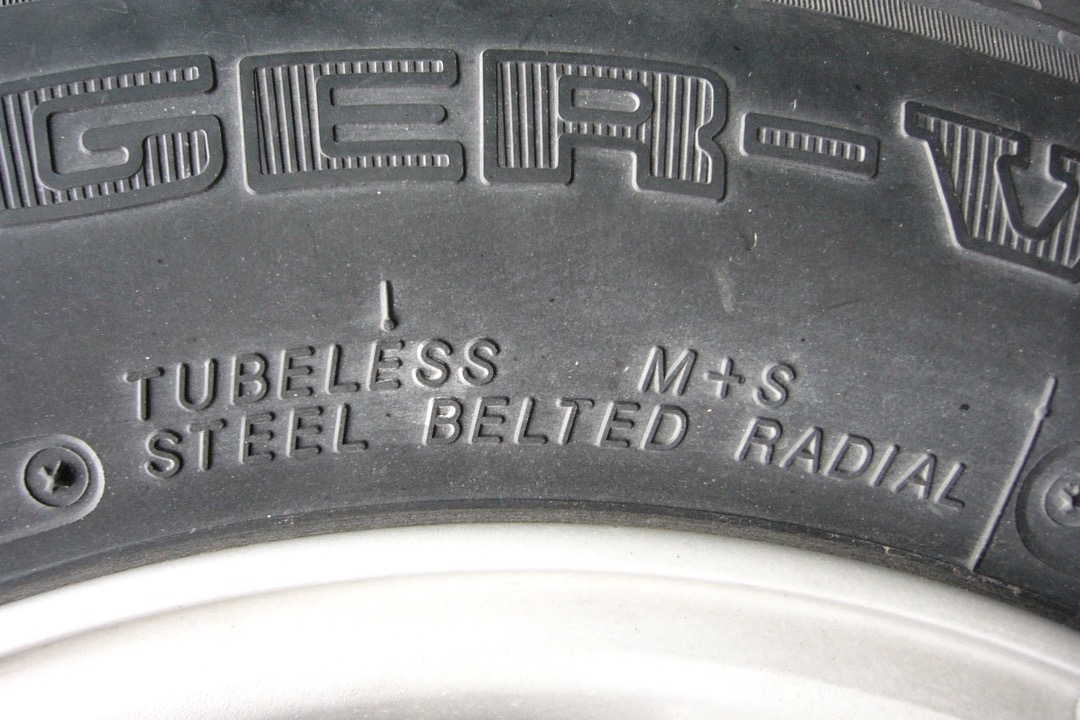
I have mounted thousands of tire sets over two decades as an ASE Master Technician, and the question I get more than any other is some version of “what tires should I put on my car?” It sounds simple. It is not. Tires are the single component that connects every pound of your vehicle to the road surface — the compound chemistry, tread architecture, and structural design determine how quickly you stop in the rain, whether you make it up the hill in a snowstorm, and how many miles of tread life you get before the next replacement. Brand name matters less than most buyers think. Compound and certification matter far more.
For 2026, I evaluated seven all-season tire options across the full range of use cases: daily-driver commuters in mild climates, crossover owners in variable four-season weather, high-mileage highway drivers who want maximum tread life, and performance vehicle owners who need a V speed rating without sacrificing year-round capability. Every tire in this roundup is available on Amazon with verified ASINs — I have cross-checked each one and confirmed active listings. Before you order, always verify your specific size is available in the tire you want, as popular sizes sometimes sell out while the listing remains active.
One foundational point I want to establish before the picks: the difference between all-season and all-weather tires is not just marketing language — it describes a genuine and testable performance gap that matters if you live somewhere that sees real winter weather. I will explain the distinction in detail in the buyer’s guide and in the FAQ below, but the short version is this: M+S all-season tires are adequate for light snow and mild cold; 3PMSF all-weather tires are tested and certified for severe-snow conditions. Three tires in this roundup carry the 3PMSF mark — the Michelin CrossClimate2, the Goodyear Assurance WeatherReady 2, and the General AltiMAX 365AW. If your climate demands it, one of those three is the right starting point.
| Product | Price | Buy |
|---|---|---|
| Michelin CrossClimate2 A/WBest Overall | $239.99 | View on Amazon |
| Michelin Defender2Premium Pick | $243.99 | View on Amazon |
| Hankook Kinergy ST H735Budget Pick | $137.99 | View on Amazon |
| Continental ProContact TXRunner-Up | $146.07 | View on Amazon |
| Goodyear Assurance WeatherReady 2 | $202.99 | View on Amazon |
| General AltiMAX 365AW | $171.99 | View on Amazon |
| Pirelli P Zero All Season | $156.20 | View on Amazon |
Find the Best All-Season Tire for Your Vehicle and Climate
Jump straight to the pick that matches how and where you drive:
- Best all-season tires overall — our top picks reviewed
- Best for touring, sedans and daily commuting
- Best for SUVs and crossovers
- Best for snow and winter (3PMSF)
- Best ultra-high-performance for sport sedans
- More driver types: budget, EV, quiet ride
All-Season vs. All-Weather: Which Do You Actually Need?
Before we get into the individual reviews, I want to address the terminology question that generates more confusion in the tire category than anything else, because the answer directly determines which half of this roundup is relevant to your purchase.
M+S (Mud and Snow) is a designation that manufacturers apply to tires based on tread geometry — specifically, whether the tire meets certain minimum standards for void ratio and tread element design. It is not a performance test. There is no standardized measurement required, no third-party verification, and no minimum traction threshold. A manufacturer can apply M+S to a tire essentially based on its own judgment that the tread pattern is appropriate for light mud and snow. This means M+S tells you something about tread design intent, but very little about actual cold-weather performance.
3PMSF (Three-Peak Mountain Snowflake) means something categorically different. To earn this mark, a tire must pass the ASTM F1805 standardized test on a controlled snow surface demonstrating at least 10-percent better acceleration traction than a reference all-season tire. This is an independently measured performance threshold, not a self-applied claim. When you see the 3PMSF symbol on a tire sidewall, you know that tire has been objectively tested and verified for severe-snow conditions.
The rule of thumb I use in the shop: if your area receives five or more inches of snow in a season, or if temperatures stay below freezing for more than a few weeks at a time, invest in 3PMSF. Standard M+S all-season is fine for drivers in the mid-Atlantic, the South, the Pacific Coast, and other mild climates where snow is occasional and temperatures rarely dip below 25 degrees Fahrenheit for extended periods.
Best All-Season Tires Overall
These are the seven tires that earned a place in this guide, each reviewed in full below. The Michelin CrossClimate2 is my best overall pick for the widest range of four-season drivers; the use-case sections after the reviews then match specific situations — touring comfort, SUVs, snow, and outright performance — to the right pick from this same lineup.
Michelin CrossClimate2 A/W — Best Overall
The CrossClimate2 is the tire I recommend to drivers who live in genuine four-season climates without exception. The 3PMSF severe-snow certification is not window dressing — it reflects compound and tread work that produces objectively better cold-weather traction than standard all-season compounds achieve. For a driver in the Mid-Atlantic, the Midwest, the Mountain West, or New England who wants one tire that handles everything from July road trips to January snowstorms without a seasonal swap, this is the answer.
What separates the CrossClimate2 from the other 3PMSF options in this roundup is the combination of severe-snow capability and wet-weather performance. Most all-weather tires that earn the 3PMSF mark do so by using softer, grippier compounds that excel in cold conditions but compromise wet braking and tread life compared to standard all-season tires. Michelin’s compound engineering on the CrossClimate2 bucked that trade-off — independent and Michelin-conducted wet braking tests consistently show the CrossClimate2 stopping shorter in the rain than four competing all-season tires. That dual-condition capability is the engineering achievement that justifies the premium.
The directional tread pattern generates noise concerns among buyers who read the aggressive block design as inherently loud. In practice, the opposite is true — Michelin’s acoustic engineers tuned the block sequencing specifically to break up harmonic resonance, and owners of luxury sedans and quiet crossovers consistently report that the CrossClimate2 does not compromise cabin NVH. If you are upgrading from noisy all-terrains or worn touring tires, the difference will be immediately apparent in favor of the CrossClimate2. Keep these tires properly inflated — check with one of our best tire pressure gauges monthly, since correct PSI extends tread life and maintains the wet braking geometry that makes this tire’s compound work as engineered.

Michelin CrossClimate2 A/W
by Michelin
The best all-season tire in this roundup for variable climates -- 3PMSF severe-snow certification, class-leading wet stopping distances, directional compound tuned for all-weather grip, and 15,000-mile longevity advantage over competitors justify the premium for drivers who face real winter conditions.
Pros
- 3PMSF (Three-Peak Mountain Snowflake) severe-snow certification means this tire passed a standardized ASTM F1805 test requiring at least 10-percent better acceleration traction than a reference all-season tire on packed snow -- this is not a marketing claim but an independently measured performance threshold that the majority of standard all-season tires do not reach
- Exceptionally quiet despite an aggressive directional tread pattern -- Michelin's acoustic engineers noise-tuned the directional block sequencing to break up the harmonic resonance that causes tire hum at highway speeds, and owners of quiet crossovers and sedans consistently report that the CrossClimate2 does not degrade cabin NVH compared to standard touring all-seasons
- Shorter wet and dry stopping distances than four leading competitor all-season tires per Michelin's own ISO 23671 braking test program -- wet stopping distance is the most safety-critical tire performance metric, and the CrossClimate2's compound formulation demonstrably outperforms competitors in the metric that matters most for accident avoidance
- Lasts up to 15,000 miles longer than competing all-season tires per third-party wear data -- this longevity advantage partially offsets the higher purchase price over the vehicle's tire lifecycle, and the directional tread design maintains its performance characteristics deep into the wear curve rather than degrading linearly from new
Cons
- Among the most expensive all-season tires in this roundup and in the segment overall -- the performance-to-cost argument is strong for owners who drive in variable climates, but drivers in mild climates who never see snow may not fully recover the premium over the life of the tire
- 60,000-mile warranty is lower than the Michelin Defender2's 80,000-mile warranty despite the higher price -- the CrossClimate2's compound is optimized for all-weather grip rather than maximum longevity, so owners prioritizing tread life over severe-snow capability should consider the Defender2 at this price point
Michelin Defender2 — Best Upgrade for High-Mileage Drivers
The Defender2 is the correct pick when your primary objective is the lowest cost-per-mile over the vehicle’s tire lifecycle. The 80,000-mile mileage warranty is the longest in this roundup by a substantial margin — 20,000 miles more than the CrossClimate2, 20,000 more than the General AltiMAX 365AW, and 15,000 more than the ProContact TX. Michelin’s warranty claims are backed by third-party long-term wear testing that consistently validates the numbers, which distinguishes them from brands whose warranty claims are less defensible under independent scrutiny.
The 10.5/32-inch tread depth at new is a meaningful starting advantage that directly contributes to the extended warranty. More rubber to wear through before reaching the 2/32-inch replacement threshold means a longer service life, a longer performance window, and a longer period before wet-weather hydroplaning resistance begins to degrade. The locking 3-D Sipes are an engineering refinement worth understanding: conventional sipes open under braking, which allows the sipe edges to bite but also allows the tread block to flex in ways that increase stopping distance. Michelin’s interlocking geometry keeps the blocks stiffer during hard braking while still delivering the edge density needed for wet-weather grip — a genuine technical advantage over conventional sipe designs.
The critical caveat is that the Defender2 is not 3PMSF certified. It is a standard M+S all-season compound, and it will not perform comparably to the CrossClimate2 in sustained winter conditions. For drivers in mild climates who never encounter serious winter weather, the Defender2’s superior longevity and lower cost-per-mile make it the better financial decision. For drivers who face real winters, the CrossClimate2 is the right call despite its lower mileage warranty.

Michelin Defender2
by Michelin
The longevity pick for high-mileage drivers -- class-leading 80,000-mile warranty, a deep 10.5/32-inch tread depth, locking 3-D Sipes for short wet and dry stopping distances, and OEM-fit refinement on major sedan and crossover platforms make this the correct tire when cost-per-mile is the driving objective.
Pros
- Class-leading 80,000-mile treadwear warranty -- the longest mileage guarantee in this roundup by 15,000 to 20,000 miles, and Michelin's warranty claims are well-supported by third-party long-term wear data, which means the Defender2 is the compound to specify when maximum tire lifecycle and lowest cost-per-mile are the primary objectives
- Locking 3-D Sipes generate shorter stopping distances in both wet and dry conditions compared to three competing all-season tires in Michelin's internal testing -- the interlocking sipe geometry maintains block stiffness during hard braking while still providing the edge density for wet-weather grip, a balance that standard sipe designs struggle to achieve simultaneously
- Deep 10.5/32-inch tread depth, beaten here only by the General AltiMAX 365AW -- more tread depth at new means more rubber to wear through before reaching the replacement threshold, which directly contributes to the extended mileage warranty and provides a longer performance window before wet-weather traction begins to degrade
- Remarkably refined highway ride with low road noise -- OEM-fit on many Toyota Camry, Honda Accord, and Honda CR-V platforms, which means the tire's ride and NVH characteristics were engineered to the exact comfort specifications of the most popular daily-driver platforms in the US fleet
Cons
- Not 3PMSF certified -- the Defender2 is a standard M+S all-season compound, not an all-weather tire, which means it is not designed or rated for the sustained below-freezing temperatures and heavy snowfall conditions where the CrossClimate2 has a genuine performance advantage
- Relatively new product with a lower Amazon review count than the original Defender T+H it replaces, and a star average that has slipped as that base has grown -- the review pool provides meaningful data but is smaller than the extensive body of evidence behind the original Defender line, so early adopters are working with less verified real-world feedback than on more established tires
Hankook Kinergy ST H735 — Best Budget Pick
The H735 is the tire I recommend when budget is the primary constraint and the driver operates in a mild climate. The 5,300-plus Amazon reviews at 4.6 stars is the most statistically significant quality signal in this category — at that review volume, the distribution reflects genuine owner experience across thousands of real-world applications rather than a small sample that could be skewed by a handful of outlier experiences. That evidence base, combined with Amazon’s Choice designation, tells me a large and satisfied population of budget-conscious buyers is successfully running this tire.
The price gap versus premium tires is real and significant. A full set of four H735 tires costs roughly half what four Michelin CrossClimate2 or Defender2 tires cost, and for a driver in a mild climate who will see light rain and occasional light snow at most, the performance difference in normal conditions does not justify that price premium. Four circumferential grooves provide adequate water evacuation for the wet-weather conditions most US drivers actually encounter, and the OEM-comparable ride quality that owners consistently describe means this is not a compromise that makes the vehicle unpleasant to drive.
The limitations are real and worth stating plainly. The T speed rating (118 mph) means the H735 is incompatible with any vehicle whose OEM specification requires H or V-rated tires — check your door jamb placard before ordering. The shallower 8.8/32-inch tread depth means the performance window is shorter than premium tires, particularly in wet weather late in the tire’s life. And the absence of a published mileage warranty means you are relying on the review base rather than a manufacturer commitment for longevity expectations. For a mild-climate daily driver on a budget, none of those limitations are disqualifying. For anyone else, the limitations matter.

Hankook Kinergy ST H735
by Hankook
The budget all-season pick for value-conscious daily drivers -- 5,300-plus Amazon reviews confirm OEM-comparable ride quality and wet traction at roughly half the cost of premium tires, wide fitment coverage across the US vehicle fleet, and four circumferential grooves provide adequate wet and light-snow performance for mild-to-moderate climate driving.
Pros
- Outstanding price-to-performance ratio -- smooth, quiet ride and OEM-comparable feel at roughly 45 percent of premium-tier pricing, which means a full set of four delivers the core all-season characteristics that matter to most daily drivers without the premium-brand markup that primarily buys warranty duration and marginal wet-weather performance gains
- Over 5,300 Amazon reviews and Amazon's Choice designation is the largest real-world evidence base in this entire category -- at this review volume, the rating distribution is statistically meaningful rather than sample-size-sensitive, and the sustained 4.6-star average across thousands of verified purchases is a stronger quality signal than a smaller sample at a higher rating
- Wide fitment range from 13-inch wheels on older compact cars to 18-inch wheels on modern crossovers and sedans -- this breadth of SKU coverage means the H735 is a viable option across a larger proportion of the US vehicle fleet than narrow-fitment premium tires, and the consistent compound characteristics across sizes reduce fitment-to-fitment performance variation
- Solid wet traction and light-snow grip from four full-depth circumferential grooves -- the groove architecture maintains water evacuation capacity through a significant portion of the wear cycle, and the M+S designation confirms tested performance in light snow conditions appropriate for drivers in mild-to-moderate winter climates
Cons
- No published mileage warranty -- Hankook does not provide a treadwear warranty for the H735 in the way that Michelin and Continental guarantee minimum distances, which means owners planning around tire replacement intervals have no manufacturer commitment to reference
- Shallower tread depth at 8.8/32 inches compared to 10/32 to 10.5/32 inches on premium competitors -- the reduced tread depth means the performance window is shorter, particularly in wet-weather conditions where groove depth directly affects hydroplaning resistance late in the tire's life
- T speed rating (118 mph) excludes performance vehicles and is below the H or V rating specified as OEM equipment on many modern sport sedans, coupes, and performance crossovers -- owners of vehicles with a V or W speed rating requirement cannot use the H735 as a compliant replacement
Continental ProContact TX — Runner-Up
Continental’s wet-weather compound reputation is built on decades of OEM supply relationships with European luxury manufacturers, and the ProContact TX delivers that performance at a mid-tier price point. Owners replacing tires on BMWs, Mercedes-Benz vehicles, and Lexus models consistently report that the ProContact TX maintains the handling character and wet-weather confidence those vehicles were tuned to deliver — which makes sense given that Continental developed the compound to OEM specifications for those platforms.
The 65,000-mile warranty at a price point substantially below the Michelin options makes the ProContact TX a compelling value for import vehicle owners who want OEM-caliber fit and feel without OEM dealer pricing. The asymmetrical tread pattern’s noise tuning is a genuine differentiator — owners of quieter luxury sedans and crossovers notice the difference compared to budget tires, and several reviews specifically mention that cabin noise decreased after mounting the ProContact TX versus the tires they replaced.
One alignment note worth reinforcing: asymmetrical tires are directionally mounted and must be installed with the correct side facing outward. If a shop mounts the ProContact TX reversed — outer side in — you will not get the handling performance the tire is designed to deliver, and you will see accelerated wear on the exposed inner blocks. Confirm correct installation orientation before driving away from the shop. If you are doing your own rotation at home, a good floor jack makes axle swaps safe and efficient, and our best torque wrenches guide will help you confirm proper lug nut torque after every wheel service — this is non-negotiable regardless of tire brand.

Continental ProContact TX
by Continental
The runner-up for import and European platform drivers -- Continental's OEM supply relationships with Mercedes, BMW, and Lexus validate dimensional fit and NVH characteristics, excellent wet grip is the standout real-world performance attribute, and the 65,000-mile warranty at mid-tier pricing makes it a strong value for import owners seeking OEM-caliber replacement rubber.
Pros
- Exceptional wet grip and confident rain handling -- Continental's wet-weather compound technology is well-established through decades of OEM supply relationships, and the ProContact TX compound's real-world wet performance in owner reviews consistently places it at or above premium-tier competitors despite its mid-tier price positioning
- Remarkably quiet on-highway ride -- owners replacing OEM tires on luxury sedans and import SUVs repeatedly describe a noticeable reduction in cabin noise after mounting, which reflects the asymmetrical tread pattern's optimized block-to-void ratio that suppresses harmonic road noise at highway speeds
- 65,000-mile mileage warranty at a mid-tier price point -- the warranty undercuts premium Michelin pricing by a meaningful margin while providing documentation of expected tread life, giving owners a manufacturer commitment that budget-tier tires like the Hankook H735 do not offer
- OEM fitment on Mercedes-Benz, BMW, and Lexus variants confirms the tire's dimensional accuracy, load capacity, and NVH characteristics were validated against the most demanding European platform specifications -- drivers of these vehicles get OEM-spec fit and feel at below-dealer replacement pricing
Cons
- Standard M+S all-season only -- not 3PMSF certified, meaning the ProContact TX is not suited for drivers who regularly encounter heavy snowfall, sustained sub-freezing temperatures, or packed-snow road conditions where the additional compound work of an all-weather tire is necessary
- A handful of owner reports cite early wear on vehicles with neglected alignments or out-of-spec camber -- this is not a tire-specific defect but rather a reminder that any asymmetrical tire will show accelerated edge wear when alignment is not maintained to spec, and the asymmetrical pattern makes wear patterns more visible than a symmetrical tread
Goodyear Assurance WeatherReady 2 — Best Value All-Weather Option
The WeatherReady 2 occupies the most interesting position in this roundup: it delivers 3PMSF severe-snow certification at a price point meaningfully below the CrossClimate2, while adding compound refinements over the original WeatherReady that the first generation lacked. The AquaTred evolving groove technology is a genuine innovation — most tires lose wet-weather performance in a roughly linear relationship with tread depth loss. The WeatherReady 2’s grooves are engineered to widen progressively as the tire wears, compensating for the reduced depth by maintaining water evacuation volume through a larger portion of the tire’s service life.
The UTQG 700 AA A rating is worth calling out explicitly. For a 3PMSF all-weather compound, a 700 treadwear index is exceptional — the softer, more conformable rubber compounds required for cold-weather grip typically produce treadwear ratings in the 400 to 500 range on all-weather tires. Goodyear’s compound formulation achieving 700 treadwear while maintaining the severe-snow traction threshold reflects a meaningful balance between longevity and cold-weather performance. The 60,000-mile warranty provides documentation that Goodyear is prepared to back the treadwear claim.
The limited review base is the genuine limitation here. At 66 reviews, the WeatherReady 2 is a relatively new entrant, and the first-generation WeatherReady’s reputation provides the primary reference point. For buyers willing to act on a smaller evidence base in exchange for the 3PMSF certification at the WeatherReady 2’s price point, this is a strong option. Drivers who want maximum verified review evidence should choose the CrossClimate2.

Goodyear Assurance WeatherReady 2
by Goodyear
The 3PMSF all-weather option for budget-conscious drivers who need severe-snow certification -- UTQG 700 AA A rating is exceptional for an all-weather compound, AquaTred evolving grooves maintain wet performance through the wear cycle, and the price undercuts the CrossClimate2 while delivering the same standardized severe-snow traction threshold.
Pros
- 3PMSF severe-snow certification at a meaningful price discount versus the Michelin CrossClimate2 -- for drivers who need the all-weather certification but are working within a tighter budget, the WeatherReady 2 provides the same ASTM F1805-verified severe-snow traction threshold at a lower per-tire cost
- UTQG 700 AA A rating is an excellent treadwear score for a 3PMSF-certified compound -- the combination of severe-snow capability and a 700 treadwear index is unusual because the softer compounds required for cold-weather grip typically produce lower treadwear ratings, making this rating a genuine engineering achievement in compound formulation
- AquaTred Technology with evolving traction grooves that progressively widen as the tire wears -- the widening geometry compensates for reduced tread depth later in the tire's life by maintaining water evacuation volume, which helps preserve wet-weather performance into the mid-life wear stage where conventional tires experience accelerating grip degradation
- Comfort inserts in the tread blocks reduce vibration transmission from the road surface to the wheel -- this feature specifically targets the low-frequency vibration that causes driver fatigue on long highway runs, a refinement typically associated with premium-tier touring tires rather than all-weather compounds
Cons
- New product with limited Amazon review count -- at 66 reviews the WeatherReady 2 has less verified real-world evidence than most other tires in this roundup, and while the successor to the original WeatherReady benefits from that platform's proven track record, the specific compound revision in this model has not yet accumulated the long-term wear and performance data that more established tires have
- Size availability is narrower than the original WeatherReady it replaces -- not all OEM fitment sizes have been released in the WeatherReady 2 platform yet, so owners of less common rim diameters or widths should verify availability for their specific size before committing to this option
General AltiMAX 365AW — Best Budget 3PMSF Option
The AltiMAX 365AW is the tire I now point budget-minded four-season drivers to when they need genuine severe-snow capability without paying CrossClimate2 money. General Tire is a Continental subsidiary, and the 365AW benefits from parent-company compound development — it earned the 3PMSF severe-snow mark and then backed it up where it counts: Consumer Reports ranked it fourth among all all-weather tires, one spot behind the CrossClimate2, at roughly two-thirds the price. That is not a marketing claim; it is an independent test result. The Amazon listing for this size is a different story — 32 ratings at 4.3 stars is a thin pool, so the case for this tire rests on the Consumer Reports finding and the ASTM-tested 3PMSF mark rather than on owner volume.
What makes the 365AW work as a daily driver is the sinusoidal siping. Most tires that earn the 3PMSF mark do it with aggressive, open tread that generates a constant highway hum; General’s wave-shaped sipe geometry produces the biting edges snow traction needs while keeping the tread quiet enough that owners repeatedly describe it as unobtrusive on the interstate. The symmetric, non-directional pattern is the other practical advantage — you can cross-rotate these in any pattern at every service interval, which evens out wear and stretches tread life on front-wheel-drive cars that chew through their front tires. Owners in genuine winter states report it pulling more than 90 percent of a dedicated snow tire’s traction while still being a real year-round tire.
The limitations are minor and honest. A small number of reviews cite sidewall bulging on individual tires — almost certainly shipping or storage damage given how positive the broad review pool is, but inspect each tire on delivery before you mount it. And at sustained speeds above 70 mph you will hear a little more drone than a premium grand-touring tire like the Defender2 produces. For a budget-conscious four-season driver who wants one tire that handles a real winter, neither of those is disqualifying. Keep them inflated correctly with a quality tire inflator and rotated on schedule, and the 365AW will deliver the severe-snow capability it is certified for.

General AltiMAX 365AW
by General Tire
The value 3PMSF all-weather pick backed by independent testing -- a Consumer Reports top-five all-weather ranking, genuine ASTM-tested severe-snow certification, and cross-rotatable symmetric tread make the General AltiMAX 365AW the budget-conscious path to true winter capability, though its Amazon review base for this size is thin.
Pros
- Punches far above its price -- Consumer Reports ranked the AltiMAX 365AW fourth among all all-weather tires, immediately behind the Michelin CrossClimate2, at roughly two-thirds the cost, and owner testing in real winter conditions repeatedly finds it delivering more than 90 percent of a dedicated snow tire's traction while remaining a genuine year-round tire
- 3PMSF severe-snow certification earned on an independent test rather than a spec sheet -- the mark requires passing the standardized ASTM F1805 snow-traction test, and Consumer Reports separately placed the 365AW fourth among all all-weather tires, so the winter capability here rests on two measured results rather than on marketing language
- Sinusoidal (wave-shaped) siping generates the biting edges needed for snow and ice traction without the harmonic tread hum that makes most aggressive all-weather tires loud -- owners consistently describe it as quiet for a winter-certified tire, a combination of snow grip and low noise that is genuinely difficult to engineer into a budget compound
- Non-directional symmetric tread can be cross-rotated in any pattern at any service interval -- unlike directional all-weather tires that only allow front-to-rear swaps, this flexibility evens out wear across all four corners and extends usable tread life on front-wheel-drive vehicles that wear the front tires fastest
Cons
- Isolated sidewall-quality complaints appear in the review pool -- a small number of owners reported sidewall bulging on individual tires, most plausibly shipping or storage damage rather than a design defect given the overwhelmingly positive majority, but inspect each tire on delivery before mounting
- Some highway drone develops at sustained speeds above 70 mph compared with premium grand-touring tires -- the trade-off for the winter-biting tread is a touch more road noise on long interstate stretches than a dedicated quiet touring tire like the Defender2 delivers
- Thin Amazon review base for this size -- the 225/60R17 listing carries only 32 ratings, so there is far less verified owner feedback here than behind the Hankook H735 or the CrossClimate2, and buyers are leaning on the independent test results rather than on a deep pool of owner reports
Pirelli P Zero All Season — Best for Performance Vehicles
The P Zero All Season fills a real gap in the market. Performance sedans, coupes, and grand touring vehicles with OEM V speed ratings have limited all-season options that maintain compliance with the vehicle’s specification — most all-season tires top out at an H rating (130 mph), and substituting an H-rated tire on a V-rated application is non-compliant and potentially unsafe. The P Zero All Season’s V rating (149 mph) makes it one of the few true all-season options available to performance vehicle owners who want year-round capability without a seasonal swap.
The dual-zone siping architecture is the engineering feature that makes the performance-tire-in-all-season-form-factor possible. Inner tread block sipes are optimized for cold-weather conformance and light-snow biting edges; outer block sipes handle the lateral loads of cornering and maintain dry-weather traction. This separation of function into distinct tread zones avoids the compound compromise that typically accompanies a single sipe design trying to serve both purposes simultaneously. The result is an all-season tire that does not ask performance vehicle owners to sacrifice handling precision for mild-weather capability.
The Pirelli Noise Cancelling System foam lining available on select sizes is a feature I did not expect to see on an aftermarket all-season compound. OEM-spec acoustic foam inside the tire cavity is typically an OEM-exclusive feature on premium luxury platforms — finding it as an available option on an aftermarket tire at this price is a genuine value-add for owners of noise-sensitive sport sedans and GT cars. Verify at the time of purchase whether your specific size includes PNCS, as it is not universal across all P Zero All Season size variants.
What to Know About UTQG Before Buying Any Tire: UTQG (Uniform Tire Quality Grading) treadwear numbers are manufacturer self-reported and calibrated against each manufacturer’s own internal reference compound — not a universal standard. A 700 from Hankook is not the same as a 700 from Michelin, and direct cross-brand numerical comparisons are not valid. Use UTQG within a brand family as a relative guide only.

Pirelli P Zero All Season
by Pirelli
The performance all-season for sport sedans, coupes, and performance vehicles that require a V speed rating -- dual-zone siping separates cold-weather and cornering sipe functions, PNCS foam on select sizes reduces cabin resonance, and V-rating compliance fills a genuine gap in the all-season market for performance-vehicle owners who want year-round capability without a seasonal tire swap.
Pros
- Dual-zone siping architecture separates cold-weather and performance functions into distinct tread regions -- winter-optimized sipes on inner tread blocks bite in cold and light-snow conditions while performance sipes on outer blocks handle lateral cornering loads, a compound engineering approach that avoids the performance compromises inherent in applying a single sipe design to both functions
- Pirelli Noise Cancelling System (PNCS) foam lining on select sizes meaningfully reduces cabin drone at highway speeds by absorbing cavity resonance before it transmits through the wheel to the cabin -- this feature is typically reserved for OEM-fitment premium tires on luxury platforms and is rarely available on aftermarket all-season compounds at this price
- V speed rating (149 mph) tops the roundup alongside the Continental ProContact TX and is required OEM equipment on many sport sedans, coupes, grand touring vehicles, and performance crossovers -- owners of these vehicles cannot legally or safely substitute an H-rated tire, making the P Zero All Season one of the few all-season options that maintains full compliance with performance vehicle speed rating specifications
- Asymmetric tread with an optimised contact patch puts the dry-cornering shoulder blocks and the wet-weather circumferential grooves on separate parts of the tread face -- this is the layout that lets a single compound hold a V rating without giving up the water evacuation a year-round tire needs, and it is why the P Zero behaves like a summer performance tire in the dry rather than like a touring all-season
Cons
- No published mileage warranty -- Pirelli does not offer a treadwear guarantee on the P Zero All Season, which means owners planning tire replacement budgets have no manufacturer commitment on minimum expected tread life, a meaningful gap compared to the 60,000-to-80,000-mile warranties offered by Michelin and Continental in this roundup
- Not 3PMSF certified -- light-snow capability is present from the inner-block winter sipes, but the P Zero All Season is not engineered or rated for severe winter conditions, meaning owners in climates with sustained sub-freezing temperatures or heavy snowfall should choose the CrossClimate2, WeatherReady 2, or General AltiMAX 365AW for full winter confidence
Best All-Season Touring Tires (Sedans, Minivans & Daily Commuting)
Touring all-season tires are the biggest slice of this market for a reason — they are what most sedans, minivans and crossovers actually need: a quiet, long-wearing tire that handles rain and the occasional light snow without drama. The “touring” and “grand touring” search terms both land here, and the buying decision comes down to how much winter you see and what you drive.
For a mild-climate commuter who wants maximum tread life and the most isolated ride, the Michelin Defender2 and its 80,000-mile warranty is the pick. If you see real winter weather, step up to the CrossClimate2, which keeps the touring-quiet ride but adds 3PMSF severe-snow capability. Import and luxury-sedan owners should look hard at the Continental ProContact TX — it was tuned to OEM specifications for the exact platforms it fits.
| Product | Price | Buy |
|---|---|---|
| Michelin Defender2Best touring overall 80,000-mile warranty and the quietest, most refined ride here -- the default for sedans, minivans and long commutes | $243.99 | View on Amazon |
| Michelin CrossClimate2 A/WBest all-weather touring Adds 3PMSF severe-snow capability to a touring-quiet ride for four-season commuters | $239.99 | View on Amazon |
| Continental ProContact TXBest for import sedans OEM-tuned for BMW, Mercedes and Lexus platforms -- OEM-caliber feel at below-dealer pricing | $146.07 | View on Amazon |
Best All-Season Tires for SUVs & Crossovers
SUVs and crossovers change the tire equation in two ways: the tire carries more weight, so load index matters, and the taller, heavier vehicle punishes a soft compound. Every tire below is available in CUV and SUV fitments — the key is matching the load index on your door-jamb placard and deciding how much winter capability you need.
The Michelin CrossClimate2 in its CUV sizes is the do-everything answer for a four-season crossover — 3PMSF snow capability with premium wet braking. High-mileage SUV owners who stay in milder climates get more tire life from the Defender2’s deeper tread and 80,000-mile warranty. And the Goodyear WeatherReady 2 delivers the 3PMSF mark in SUV sizes at a price meaningfully below the CrossClimate2.
| Product | Price | Buy |
|---|---|---|
| Michelin CrossClimate2 A/WBest SUV all-rounder Comes in CUV/SUV sizes with 3PMSF snow rating -- the do-everything crossover tire | $239.99 | View on Amazon |
| Michelin Defender2Best for high-mileage SUVs Deepest tread and 80k warranty for heavier crossovers that rack up highway miles | $243.99 | View on Amazon |
| Goodyear Assurance WeatherReady 2Best value SUV all-weather 3PMSF certification in SUV fitments at a price well under the CrossClimate2 | $202.99 | View on Amazon |
Best All-Season Tires for Snow & Winter (3PMSF)
This is the section that separates all-season from all-weather. If your winters involve more than a few inches of snow or sustained sub-freezing temperatures, you want the 3PMSF (Three-Peak Mountain Snowflake) mark — an independently tested severe-snow certification, not a marketing claim. Three tires in this roundup carry it.
The Michelin CrossClimate2 has the best combined wet-and-snow braking of the group and is the tire to beat when winter is serious. The Goodyear WeatherReady 2 gets you the same 3PMSF certification with an exceptional 700-treadwear compound at a lower price. And the General AltiMAX 365AW is the budget path to genuine winter capability — a Consumer Reports top-five all-weather tire at the lowest price of the three, though with the thinnest Amazon review base of the group. None of these replaces a dedicated winter tire on sheet ice, but all three will get a careful driver through a real winter.
| Product | Price | Buy |
|---|---|---|
| Michelin CrossClimate2 A/WBest snow traction Class-leading wet and snow braking -- the 3PMSF tire to beat for serious winters | $239.99 | View on Amazon |
| Goodyear Assurance WeatherReady 2Best value 3PMSF 700-treadwear 3PMSF compound with evolving grooves, priced under the CrossClimate2 | $202.99 | View on Amazon |
| General AltiMAX 365AWBest budget 3PMSF Consumer Reports top-five all-weather tire at the lowest cost here, on a thin review base | $171.99 | View on Amazon |
Best Ultra-High-Performance All-Season Tires (Sport Sedans & Coupes)
Performance sedans, coupes and grand-touring cars usually leave the factory on V- or W-rated tires, and dropping to an H-rated all-season just to get year-round capability is non-compliant with the vehicle’s specification. That is the gap this section fills: all-season tires that keep a performance speed rating.
The Pirelli P Zero All Season is the standout — a V-rated (149 mph) all-season with dual-zone siping that separates cold-weather grip from cornering performance, plus optional noise-cancelling foam on select sizes. Enthusiasts who also want genuine snow capability should cross-shop the Michelin CrossClimate2, which trades some dry-cornering sharpness for 3PMSF winter traction. Choose the P Zero for outright warm-weather handling, the CrossClimate2 when winter grip is the priority.
| Product | Price | Buy |
|---|---|---|
| Pirelli P Zero All SeasonBest UHP all-season V-rated (149 mph) with dual-zone siping -- the compliant year-round tire for sport sedans and coupes | $156.20 | View on Amazon |
| Michelin CrossClimate2 A/WBest all-weather for enthusiasts The enthusiast pick when winter grip matters more than the last degree of dry cornering | $239.99 | View on Amazon |
More All-Season Tires by Driver Type
A few driver types are best served by matching a single standout attribute to the right tire from the lineup above rather than a full head-to-head. Here is the quick reference for budget, efficiency and comfort priorities:
| Product | Price | Buy |
|---|---|---|
| Hankook Kinergy ST H735Best budget pick 5,300+ reviews at 4.6 stars and roughly half the price of premium tires for mild-climate daily driving | $137.99 | View on Amazon |
| Michelin Defender2Best for EVs & fuel economy Michelin's low-rolling-resistance silica compound protects EV range and MPG over the tire's life | $243.99 | View on Amazon |
| Michelin CrossClimate2 A/WBest quiet, refined ride Noise-tuned tread and a compliant sidewall make it the most isolated, quiet ride in the lineup | $239.99 | View on Amazon |
What to Budget Beyond the Sticker Price
This is the section most tire-buying guides skip, and it is the one that produces the most unpleasant surprises at the shop. The purchase price of the tire is not the installed cost.
Add to your budget per tire: mounting and balancing ($15 to $25), TPMS sensor reset or service ($5 to $15), and old-tire disposal ($2 to $10). On four tires, that is between $88 and $200 in installation costs on top of the tire purchase price. That band is fixed regardless of which tire you buy, so it lands much harder on a budget set than on a premium one — roughly a third again on top of the cheapest tires here, closer to a fifth on the most expensive.
When comparing tire value, calculate cost-per-mile: take the per-tire price off the listing, multiply by four, add the installation band, then divide by the warranted mileage (or your realistic expected mileage for non-warranted tires). Do that with the Hankook H735 and the CrossClimate2 and the budget tire wins on cost-per-mile, because its purchase price is roughly half and its expected life is not half. What the arithmetic cannot price is the 3PMSF severe-snow capability the budget tire does not have. Run the number, then decide whether winter traction is worth the gap it shows you.
After any tire installation, confirm that your lug nuts have been torqued to spec. Shops use impact wrenches that occasionally overtighten or under-torque. Our best torque wrenches roundup covers the tools to verify this yourself — torquing to spec after installation is one of the most important and most overlooked post-service checks. And if you are changing wheel sizes or offsets at the same time — a common move when upgrading tires for crossovers and trucks — run the new spec through our free wheel offset calculator before the install to confirm the new setup will clear your fenders and suspension at full lock. If you are also moving up in tire diameter — a typical pairing on truck and SUV builds — check the upsize against stock first with our free tire height & diameter calculator, which shows the speedometer error percentage, change in revs per mile, and an estimated lift figure for the major truck and Jeep platforms. If you just want to confirm the overall height of a single size before you order — whether a 285/75R17 is really a 34-inch tire, for instance — our tire diameter calculator returns the overall diameter, section height, and circumference from the sidewall code alone.
Pothole and Sidewall Damage Inspection
One more shop-floor reality worth including: after hitting a significant pothole, inspect your tire sidewalls immediately and again after 24 hours. A bulge or bubble in the sidewall means the internal belt or carcass has been damaged — the outer rubber is intact but the structural integrity is compromised. A sidewall bubble is not a slow-flat situation that can be driven on carefully. It is internal structural failure and an imminent blowout risk. Do not drive on a tire with a sidewall bubble. This applies to all tires in this roundup — no all-season compound changes this physics.
Final Verdict
For the majority of four-season drivers in the US, the Michelin CrossClimate2 A/W is the best all-season tire available in 2026. The 3PMSF severe-snow certification, class-leading wet stopping distances, 15,000-mile longevity advantage over competitors, and noise-tuned directional compound add up to a tire that genuinely delivers on its all-weather claims across the full range of conditions it is marketed for. If you live somewhere that sees real winter weather and want to run one tire year-round without compromise, this is the answer.
For drivers who prioritize maximum tread life over all-weather capability, the Michelin Defender2 is the upgrade pick — 80,000-mile warranty, a deep 10.5/32-inch tread depth, and OEM refinement on the most popular sedan and crossover platforms make it the best cost-per-mile choice for high-mileage highway drivers in mild climates.
For budget-conscious drivers in mild climates, the Hankook Kinergy ST H735 delivers OEM-comparable daily-driver performance at roughly half the cost of premium alternatives. The 5,300-plus verified reviews are the most statistically meaningful quality signal in the category, and the core all-season performance is there.
The decision between standard all-season and 3PMSF all-weather comes down to your climate: mild winter with occasional light snow, choose by price and longevity; sustained winter with meaningful snowfall, get the 3PMSF mark. The CrossClimate2, WeatherReady 2, and General AltiMAX 365AW all deliver that certification at different price points. Pick the one your budget supports, keep the tires properly inflated with a quality tire pressure gauge, rotate on schedule, and they will deliver the performance they are rated for.
Frequently Asked Questions
What is the difference between all-season and all-weather tires?
How long do all-season tires last?
Are all-season tires good in snow?
How much does it actually cost to install a set of four all-season tires?
Can I mix all-season tires -- different brands on different axles?
Should I buy all-season tires or dedicated winter tires?
Related Articles
About the Reviewer

Mike Reeves, ASE Master Technician
A.A.S. Automotive Technology, Universal Technical Institute (UTI)
Mike Reeves is an ASE Master Technician with 15 years of hands-on experience in automotive repair and diagnostics. He earned his A.A.S. in Automotive Technology from UTI and runs his own independent shop in Denver, Colorado. Mike founded RevRated to help everyday car owners make smarter parts decisions -- every recommendation comes from real-world testing in his garage.