Michelin vs Bridgestone Tires: An ASE Mechanic's Honest Comparison
ASE Master Tech Mike Reeves compares Michelin vs Bridgestone across tread life, wet grip, winter performance, comfort, price, and warranty — with head-to-head model matchups and a cost-per-mile breakdown.
Updated
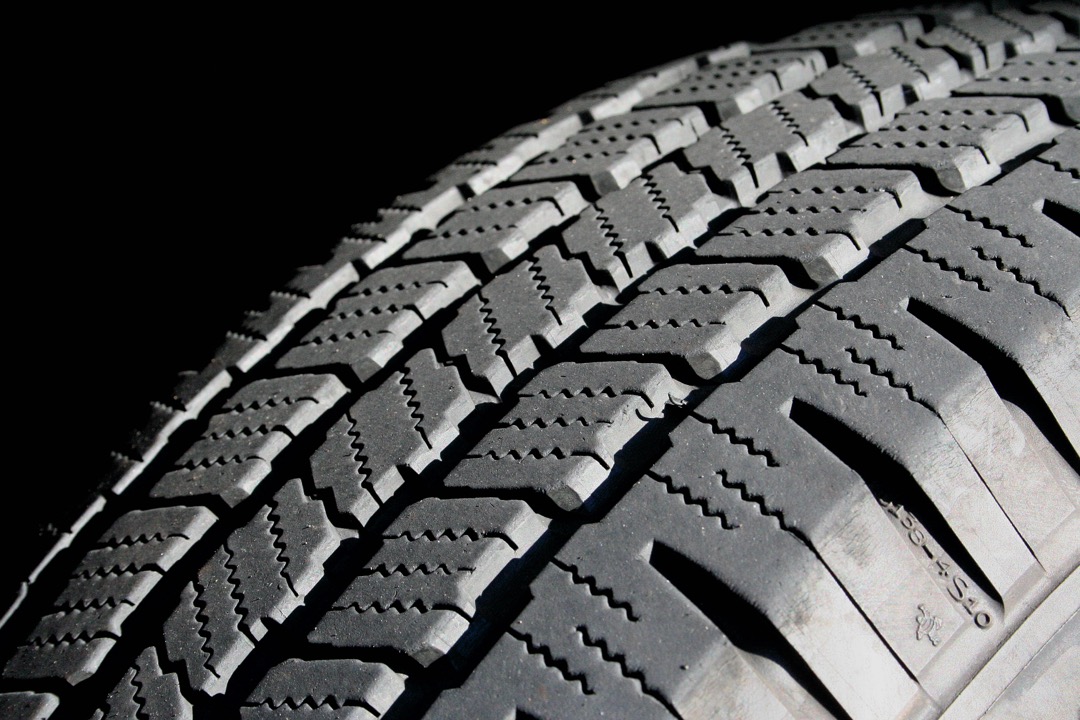
I have mounted, balanced, and replaced more tires than I can count. Michelin and Bridgestone are the two names that dominate every tire conversation — they are the world’s largest tire manufacturers, collectively supplying rubber to nearly every automaker on the planet. The debate between them is real, but most comparisons online get it wrong because they treat it as a simple brand-versus-brand question when the answer depends almost entirely on which specific tire line you are comparing and what you need it to do.
This guide breaks down the comparison the way I would explain it to a customer standing in my shop. I will cover performance across every category that matters — tread life, wet grip, winter capability, comfort, noise, and fuel efficiency — then match up specific models head-to-head so you can see where each brand wins and where it loses. If you are also evaluating your tire maintenance setup, our guide to the best tire pressure gauges is worth reading alongside this — proper inflation is the single biggest factor in tire longevity regardless of which brand you buy.
Quick Verdict
Michelin is the better tire brand overall. That is not a controversial statement among technicians — it is the consensus backed by Consumer Reports rankings (Michelin first, Bridgestone tenth out of thirty brands tested), independent wet braking tests, tread life data, and noise measurements.
But Bridgestone is not a distant second, and it wins outright in two important categories: dedicated winter tires and upfront price. Here is the honest breakdown:
| Category | Winner | Why |
|---|---|---|
| Tread life | Michelin | 55,000-85,000 mi vs 50,000-70,000 mi typical |
| Wet braking | Michelin | Stops roughly 9% shorter in independent tests |
| Dry handling | Slight edge Bridgestone | Potenza line edges Pilot Sport in some track tests |
| Winter / ice grip | Bridgestone | Blizzak WS90 is the gold standard |
| All-weather versatility | Michelin | CrossClimate 2 has no equal |
| Road noise | Michelin | Measurably quieter across touring lines |
| Ride comfort | Michelin | More compliant sidewall tuning |
| Fuel efficiency | Michelin | Up to 8% improvement; saves approximately $400 over tire life |
| Purchase price | Bridgestone | 15-25% less expensive at comparable tiers |
| Cost per mile | Michelin | Longer life offsets higher price |
| Treadwear warranty | Tie | Both offer 60,000-80,000 mi on touring models |
| Trial period | Bridgestone | 90-day guarantee vs standard Michelin terms |
The Brands at a Glance
Michelin
Founded in 1889 in Clermont-Ferrand, France, Michelin invented the radial tire in 1946 — a development that fundamentally changed how every tire on the road is constructed. With 69 manufacturing plants operating in over 170 countries and annual revenue exceeding 30 billion dollars, Michelin competes with Bridgestone for the title of world’s largest tire manufacturer depending on the metric. Michelin operates nine dedicated research centers and has invested over a billion dollars in sustainable production technology, including pyrolysis processes that reduce manufacturing CO2 by 90 percent.
Consumer Reports tested all major tire brands and ranked Michelin first overall — every one of the eight Michelin models tested earned a CR recommendation. That is a perfect score across their testing protocol, which includes wet braking, hydroplaning resistance, snow traction, noise, comfort, and tread life.
Bridgestone
Founded in 1931 in Tokyo, Japan, Bridgestone operates 73 manufacturing plants worldwide — the largest production footprint in the tire industry — with 17 research centers and annual revenue approaching 30 billion dollars. Bridgestone produces over 530,000 metric tons of tires annually in the Americas alone. The company has deep motorsport heritage including Formula 1 supply and has partnered with NASA on lunar rover tire development.
Consumer Reports ranked Bridgestone tenth out of thirty brands, with six of ten tested models earning a recommendation. J.D. Power’s 2026 tire satisfaction study placed Bridgestone slightly below average for passenger and sport tires but above average for truck and utility applications. Bridgestone’s strengths are concentrated in specific categories — winter performance and value pricing — rather than distributed evenly across the lineup.
Performance Breakdown
Tread Life and Durability
This is Michelin’s most consistent advantage. Across touring, all-season, and SUV tire lines, Michelin tires routinely deliver 10 to 20 percent more tread life than their Bridgestone equivalents. The mechanism behind this is Michelin’s MaxTouch Construction — a design approach that distributes contact pressure more evenly across the entire tread face rather than concentrating it on the center or shoulders. More uniform contact means more uniform wear, which translates directly into more miles before you reach the wear bars.
Michelin Defender 2 tires carry an 80,000-mile treadwear warranty. Bridgestone’s closest equivalent, the Turanza QuietTrack, carries a warranty in the 60,000 to 80,000 mile range depending on the specific model. Real-world longevity depends heavily on alignment, inflation pressure, rotation schedule, and driving style — but when all those variables are controlled, Michelin’s tread compounds outlast Bridgestone’s in the touring category consistently.
For performance tires, the comparison changes. Neither brand’s summer performance rubber lasts particularly long because the soft compounds that deliver grip sacrifice longevity by design. Expect 20,000 to 35,000 miles from either the Michelin Pilot Sport 4S or the Bridgestone Potenza Sport.
Wet Grip and Hydroplaning Resistance
Wet braking performance is the single most safety-critical tire metric, and Michelin leads here across virtually every category. Independent testing shows Michelin touring tires stopping approximately 9 percent shorter than comparable Bridgestone models in wet braking from 60 mph. At highway speed, that 9 percent translates to roughly 10 to 15 feet of stopping distance — the difference between a close call and a collision.
Michelin’s EverGrip technology maintains tread pattern effectiveness as the tire wears. Most tires lose wet grip progressively as the tread depth decreases because the water evacuation channels become shallower. Michelin engineers secondary grooves that emerge as the primary tread wears, maintaining hydroplaning resistance deeper into the tire’s service life. Bridgestone does not have an equivalent technology in its standard consumer tire lines.
Hydroplaning resistance follows the same pattern. In standing-water tests, Michelin’s tread patterns evacuate water more effectively at speed, maintaining contact patch integrity at higher velocities before the tire lifts off the road surface. If you drive in rain frequently — and statistically, wet roads are involved in a disproportionate share of tire-related accidents — this is a category where the Michelin premium pays for itself in safety margin.
Winter and Ice Performance
This is Bridgestone’s strongest category, and it is not close in the dedicated winter tire segment.
The Bridgestone Blizzak WS90 is widely regarded as the best winter tire available for passenger vehicles. Its multicell compound is a genuinely innovative technology — the rubber contains microscopic pores that act as suction cups on ice, absorbing the thin water film that forms between the tire and the ice surface. This gives the Blizzak measurably shorter stopping distances on ice than any competing winter tire, including Michelin’s X-Ice Snow.
The Michelin X-Ice Snow is a strong winter tire with better tread life than the Blizzak and competitive snow traction. On loose snow and packed snow surfaces, the X-Ice Snow performs within a few percentage points of the Blizzak. The divergence shows on ice — bare ice and black ice conditions where the Blizzak’s multicell compound provides a genuine physics advantage.
For drivers who want a single tire that handles all seasons including moderate winter conditions, the Michelin CrossClimate 2 is in a class by itself. It carries the Three-Peak Mountain Snowflake (3PMSF) rating — meaning it passes the same snow traction test as dedicated winter tires — while delivering all-season ride comfort and tread life that dedicated winter tires cannot match. Bridgestone’s closest equivalent, the WeatherPeak, is a newer entry that has not yet built the same track record.
Ride Comfort and Road Noise
Michelin tires are consistently quieter and more comfortable than their Bridgestone equivalents across the touring and all-season categories. This is not a subjective opinion — sound-level measurements taken inside the cabin show measurable decibel differences between comparable models.
The difference comes down to sidewall construction and tread pattern design. Michelin’s Comfort Control Technology uses computer-optimized tread block sequencing that reduces the harmonic resonance patterns responsible for tire hum. The sidewall construction is tuned for compliance — absorbing road imperfections rather than transmitting them into the cabin.
Bridgestone’s touring tires are not uncomfortable by any measure. The Turanza QuietTrack, as the name suggests, prioritizes noise reduction and does a respectable job. But in direct comparison to the Michelin Primacy Tour A/S, independent testers consistently rate the Michelin quieter and more comfortable.
For long-distance commuters who spend hours daily in the vehicle, this difference compounds into a genuine quality-of-life improvement. Test drive both on your actual vehicle before purchasing if possible — the difference is easier to feel than to describe in text.
Fuel Efficiency
Michelin has invested heavily in low rolling resistance technology, and the results show. Michelin’s fuel-efficient tire lines can reduce rolling resistance enough to improve fuel economy by up to 8 percent compared to standard tires. Over the lifetime of a set of tires, this translates to approximately 400 dollars in fuel savings for an average driver.
Bridgestone’s Ecopia line also targets fuel efficiency, with improvements in the 5 percent range. Both are meaningful, but Michelin’s advantage here is consistent across more of its lineup — even the standard Defender and Primacy lines incorporate rolling resistance optimization, while Bridgestone concentrates its fuel efficiency engineering primarily in the dedicated Ecopia models.
Rolling resistance is a physics trade-off. Lower rolling resistance generally comes at some cost to wet grip and winter traction. Michelin’s engineering achievement is managing this trade-off more effectively — delivering lower rolling resistance without proportionally sacrificing wet performance. This is one reason Michelin tires cost more: the R&D investment in balancing these competing demands is substantial. If you are tracking every maintenance expense on your vehicle, pairing efficient tires with a properly maintained engine makes a real difference — our guide to the best synthetic motor oils covers the other half of that equation.
Head-to-Head Model Matchups
Touring: Michelin Primacy Tour A/S vs Bridgestone Turanza QuietTrack
This is the matchup most drivers should focus on — these are the volume sellers for daily-driven sedans and crossovers.
The Michelin Primacy Tour A/S delivers longer tread life, shorter wet braking distances, and lower road noise. It is the quieter, more refined tire with better all-around wet weather confidence. Consumer Reports gives it a top recommendation.
The Bridgestone Turanza QuietTrack offers a comfortable ride with respectable noise levels for its price point. It undercuts the Primacy on purchase price and comes with Bridgestone’s 90-day satisfaction guarantee — if you do not like them, you can return them, which reduces buying risk.
Winner: Michelin Primacy Tour A/S for overall quality. The Bridgestone is the rational choice if the price difference is the deciding factor.
Performance: Michelin Pilot Sport 4S vs Bridgestone Potenza Sport
This is the closest matchup in the entire comparison. Both are world-class ultra-high-performance summer tires used as OEM fitment on sports cars and performance sedans.
The Michelin Pilot Sport 4S has historically been the benchmark in this category, with exceptional dry grip, communicative steering feel, and surprisingly competent wet weather performance for a summer tire.
The Bridgestone Potenza Sport has closed the gap significantly and matches or slightly exceeds the Pilot Sport 4S in dry lateral grip in some track tests. The Potenza Sport is also slightly less expensive.
Winner: Tie. This one genuinely depends on your specific vehicle and driving priorities. The Michelin has a slight wet weather edge; the Bridgestone has a slight dry handling edge. Both are outstanding.
Winter: Michelin X-Ice Snow vs Bridgestone Blizzak WS90
The Bridgestone Blizzak WS90 wins on ice. Its multicell compound technology provides measurably shorter stopping distances on ice surfaces than the X-Ice Snow or any other winter tire in the consumer segment.
The Michelin X-Ice Snow wins on tread life and maintains competitive snow traction. If you primarily encounter snow rather than bare ice, the X-Ice Snow delivers comparable safety with longer service life.
Winner: Bridgestone Blizzak WS90 for drivers in regions with frequent ice. Michelin X-Ice Snow for drivers who primarily face snow and want the tires to last longer.
All-Weather: Michelin CrossClimate 2 vs Bridgestone WeatherPeak
The Michelin CrossClimate 2 effectively created this category and remains the standard. It is the only tire I have seen that delivers credible winter capability without the comfort and tread life penalties of a dedicated winter tire. The 3PMSF rating is not a marketing gimmick — it passes the same snow traction threshold as purpose-built winter rubber.
The Bridgestone WeatherPeak is a newer entry with limited track record in independent testing. Early indications suggest it is competitive but has not yet displaced the CrossClimate 2 in any major test publication.
Winner: Michelin CrossClimate 2 — and it is not particularly close at this point.
SUV: Michelin Defender LTX M/S vs Bridgestone Dueler H/L Alenza Plus
For the massive population of highway-driven SUVs and light trucks, this is the relevant matchup.
The Michelin Defender LTX M/S delivers the longest tread life in the category, excellent wet performance, and a quiet, comfortable ride that makes highway miles disappear. It is the best-selling light truck tire in America for a reason.
The Bridgestone Dueler H/L Alenza Plus is a solid all-around SUV tire with respectable comfort and traction. It costs less than the Defender LTX but does not match its tread life or wet braking performance.
Winner: Michelin Defender LTX M/S. The tread life advantage alone justifies the price difference for most SUV owners.
Technology Under the Hood
Both companies invest billions in R&D, but their approaches differ in ways that affect real-world performance.
Michelin’s Key Technologies
MaxTouch Construction optimizes the contact patch shape under load to distribute pressure evenly across the tread face. Uneven contact pressure is the primary cause of irregular wear — center wear from overinflation, shoulder wear from underinflation, and heel-toe wear from aggressive braking. MaxTouch minimizes all three patterns, which is the engineering foundation behind Michelin’s tread life advantage.
EverGrip addresses the reality that tires lose wet grip as they wear. Michelin’s solution is secondary tread channels that emerge as the primary tread wears down, maintaining water evacuation capability deeper into the tire’s service life. This is a meaningful safety feature that extends the usable life of the tire beyond what the tread depth alone would suggest.
Helio+ Compound is Michelin’s sunflower-oil-infused rubber compound used in winter and all-season tires. The sunflower oil maintains compound flexibility at low temperatures where traditional rubber stiffens and loses grip. This is one reason the CrossClimate 2 can pass winter traction tests while maintaining summer ride quality.
Bridgestone’s Key Technologies
Multicell Compound is the technology behind the Blizzak’s dominance on ice. The compound contains microscopic tubular pores that create a suction effect on ice surfaces, while simultaneously absorbing the thin water film that forms between the tire and the ice. No other manufacturer has matched this compound’s ice grip performance.
NanoPro-Tech optimizes the molecular interaction between rubber polymers, silica, and carbon black at the nanoscale. The practical result is reduced energy loss during tire deformation — which translates to lower rolling resistance without proportionally sacrificing grip. Bridgestone applies this across multiple tire lines.
ENLITEN is Bridgestone’s lightweight tire technology that reduces overall tire weight by optimizing material placement. Lighter tires reduce unsprung mass, which improves ride quality and handling response while also contributing to fuel efficiency. This technology is increasingly appearing in Bridgestone’s OEM supply tires for new vehicles.
OEM Fitments: Who Trusts Which Brand
Original equipment manufacturer fitment is a strong signal of tire quality — automakers test tires extensively before selecting them for new vehicles.
Michelin is the OEM tire supplier for a significant portion of the luxury and performance market. Porsche, BMW, Mercedes-AMG, Ferrari, and Ford (for the Mustang and GT platforms) use Michelin tires as standard equipment on many models. Tesla selected Michelin for several Model S and Model 3 configurations.
Bridgestone supplies OEM tires across a broader range of vehicle segments, with particularly strong presence in the Japanese automaker market (Toyota, Honda, Nissan) and in GM’s truck and SUV platforms. Bridgestone also supplies Maserati’s EV platform through a dedicated partnership.
Both brands’ OEM presence reinforces that neither is a budget option — both meet the stringent testing requirements of major automakers. The difference in OEM positioning mirrors the retail market: Michelin skews toward premium and performance, Bridgestone covers a wider range from value to performance.
Cost Per Mile: The Math That Actually Matters
The sticker price comparison between Michelin and Bridgestone is misleading for the same reason that comparing oil by the quart price is misleading. The relevant metric is cost per mile of service.
Consider a concrete example with touring tires for a midsize sedan:
Michelin Primacy Tour A/S — assume a purchase price in the mid-range for premium touring tires and a realistic tread life of 65,000 miles based on independent testing.
Bridgestone Turanza QuietTrack — assume a purchase price 20 percent lower than the Michelin and a realistic tread life of 55,000 miles.
When you divide total cost (including mounting, balancing, and disposal fees, which are similar for both) by expected miles, the cost-per-mile difference between the two tires narrows to a fraction of a cent. For some size and price combinations, the Michelin actually costs less per mile despite the higher sticker price.
Factor in Michelin’s fuel efficiency advantage — even a conservative 3 percent improvement in fuel economy over 65,000 miles at current fuel prices — and the total cost of ownership comparison tilts further in Michelin’s direction.
This math does not make Bridgestone a bad value. It makes Bridgestone a better choice for drivers who need lower upfront costs or who do not plan to keep the vehicle long enough to realize the tread life difference. Both are rational purchasing decisions — they just optimize for different constraints. Keeping your tires healthy regardless of brand requires monitoring — a good tire pressure gauge and regular checks add thousands of miles to any tire’s service life.
Which Brand Is Right for You?
Choose Michelin if:
- You keep vehicles long-term and want maximum tread life
- You drive frequently in rain and prioritize wet braking safety
- Road noise and ride comfort are important to your daily commute
- You want the best all-weather tire available (CrossClimate 2)
- You are willing to pay more upfront for lower cost per mile
- Fuel efficiency is a priority
Choose Bridgestone if:
- You need the best dedicated winter tire available (Blizzak WS90)
- Upfront purchase price is your primary constraint
- You want a 90-day satisfaction guarantee to reduce buying risk
- You drive a performance car and want the Potenza Sport (which matches or beats the Pilot Sport in dry grip)
- You are buying for a vehicle you plan to sell within two to three years
Either brand works well if:
- Your vehicle’s OEM recommendation is brand-specific — follow it
- You are buying OEM replacement tires and want to match what came on the vehicle
- You have access to a good deal on either brand through a tire retailer promotion
The most important tire decision is not brand — it is buying the right type of tire for your driving conditions, maintaining correct inflation pressure, and rotating on schedule. A properly maintained Bridgestone will outperform a neglected Michelin every time. Whatever you choose, pair your tires with proper vehicle maintenance: our guides to the best brake pads and best OBD2 scanners cover the other components that work alongside your tires to keep you safe on the road.
Final Verdict
Michelin is the better overall tire brand by a meaningful margin in the categories that matter most to most drivers: tread life, wet grip, comfort, noise, and fuel efficiency. Consumer Reports agrees. Independent testing agrees. The OEM fitment patterns of the world’s most demanding automakers agree.
Bridgestone is the better choice in specific scenarios — dedicated winter tires, budget-conscious purchasing, and ultra-high-performance summer tires where the Potenza Sport competes at the very top of the segment.
If you forced me to put one brand on every vehicle in my shop, it would be Michelin. But I would put Blizzaks on every car that needs winter rubber, and I would not argue with anyone who chose the Potenza Sport for a track car. The right answer depends on which comparison you are actually making — and now you know exactly how each one shakes out.
Buyer's Guide
Choosing between Michelin and Bridgestone comes down to six factors. Get these right and the brand decision makes itself based on your driving conditions, vehicle, and budget.
Driving Climate and Winter Severity
If you live in a region with serious winters and run dedicated winter tires, Bridgestone's Blizzak line is the strongest option available. If you want a single all-weather tire that handles moderate snow without swapping sets, Michelin's CrossClimate 2 is the better choice. In warm or moderate climates where winter grip is not a primary concern, Michelin's touring and all-season tires outperform Bridgestone's equivalents in wet braking, tread life, and comfort.
How Long You Keep Vehicles
Michelin's longer tread life — typically 10 to 20 percent more miles than comparable Bridgestone models — means fewer tire replacements over the life of the vehicle. For drivers who keep vehicles past 100,000 miles, that difference compounds into real savings that offset the higher purchase price. For short-term ownership where you will sell before the first tire replacement, the upfront cost savings of Bridgestone make more financial sense.
Vehicle Type and Use Case
For daily-driven sedans and SUVs focused on comfort and highway miles, Michelin's touring lineup is consistently top-ranked. For performance driving and track days, both brands compete closely — Michelin Pilot Sport versus Bridgestone Potenza is a genuine coin toss depending on the specific model year and tire size. For commercial trucks and fleet vehicles, Bridgestone's commercial division and broader dealer network in some regions may offer practical advantages in service and availability.
Budget: Upfront vs Cost Per Mile
Bridgestone tires are typically 15 to 25 percent less expensive at purchase than comparable Michelin models. A set of four Bridgestone Turanza QuietTrack tires costs meaningfully less than four Michelin Primacy Tour A/S tires. However, if the Michelin set delivers 70,000 miles versus the Bridgestone's 60,000, the cost per mile narrows or reverses. Calculate your expected annual mileage, multiply by the years you plan to own the vehicle, and divide the tire cost by expected tread life to get the true comparison.
Ride Comfort and Noise Sensitivity
If road noise and ride harshness are priorities — and for long-distance commuters and highway drivers they should be — Michelin consistently produces quieter, more compliant tires than Bridgestone in the touring and all-season categories. Independent sound-level testing shows measurable differences in cabin noise between comparable models from each brand. For a vehicle you spend hours in daily, this comfort difference is worth experiencing firsthand before buying.
Warranty and Trial Period Terms
Bridgestone offers a 90-day satisfaction guarantee that allows you to return tires if you are not satisfied — a significantly more generous trial period than Michelin's standard terms. Both brands offer treadwear warranties in the 60,000 to 80,000 mile range on their touring tires, though the specific coverage varies by model. Read the warranty fine print: most treadwear warranties require proof of regular rotation at manufacturer-specified intervals, and pro-rated replacement costs can reduce the practical value of the warranty significantly.
Frequently Asked Questions
Are Michelin tires worth the extra cost over Bridgestone?
Which brand is better in snow — Michelin or Bridgestone?
Do Michelin tires really last longer than Bridgestone?
Are Bridgestone and Michelin made in the same factories?
Which is better for SUVs and trucks — Michelin or Bridgestone?
Related Articles
About the Reviewer
Mike Reeves, ASE Master Technician
A.A.S. Automotive Technology, Universal Technical Institute (UTI)
Mike Reeves is an ASE Master Technician with 15 years of hands-on experience in automotive repair and diagnostics. He earned his A.A.S. in Automotive Technology from UTI and runs his own independent shop in Denver, Colorado. Mike founded RevRated to help everyday car owners make smarter parts decisions -- every recommendation comes from real-world testing in his garage.