7 Best Brake Pads of 2026
Mike Reeves reviews the best brake pads of 2026. Compare ceramic and carbon-fiber ceramic compounds by noise level, dust output, pad life, hardware inclusion, and vehicle compatibility for daily drivers, trucks, and performance cars.
Updated
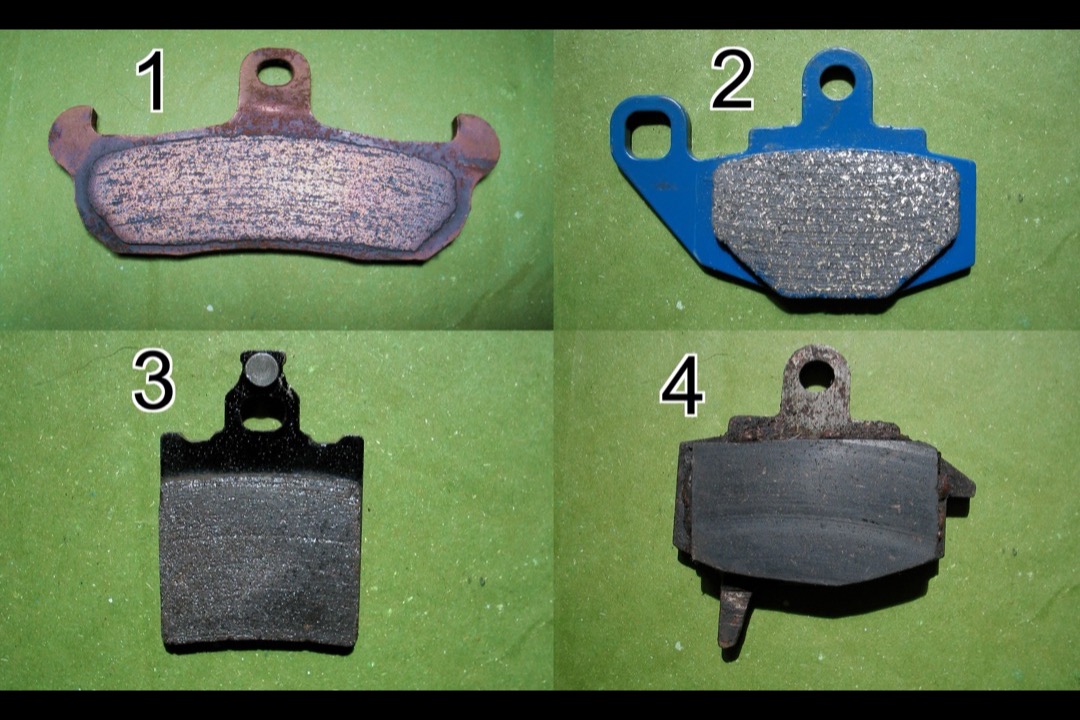
Brake pads are the most safety-critical wear item on any vehicle, and they are also one of the most frequently botched DIY jobs when drivers grab the cheapest set on the shelf without understanding what the compounds actually do. I have been turning brake jobs as an ASE Master Tech for over two decades, and I have seen the results of that approach — glazed rotors, persistent squeals, and in a few memorable cases, faded brakes on a loaded truck that took an extra hundred feet to stop. The compound choice matters. The installation quality matters. And the bedding-in procedure matters more than most owners realize.
This roundup covers seven brake pad sets across the full range of daily-driver, truck-and-tow, and street performance applications. Every product here is a ceramic or ceramic-derived compound — semi-metallics have their place on commercial vehicles and certain OEM applications, but for the overwhelming majority of passenger cars, SUVs, and light trucks on the road today, ceramic delivers the best combination of noise, dust, rotor wear, and stopping performance. I have also included one Ferro Carbon compound from Hawk for the enthusiast crowd who needs real heat capacity.
Before we get into the picks, a few fundamentals worth understanding. Brake pad types differ primarily in the friction material: organic pads (NAO — Non-Asbestos Organic) are the softest and quietest but wear the fastest; semi-metallic pads use steel wool and metal particles for superior heat transfer and bite under heavy loads but generate significant dust and rotor wear; and ceramic pads use ceramic fibers and non-ferrous materials for the best noise and dust performance in normal driving. Carbon-fiber ceramic, used by PowerStop in both the Z36 and Z26, is a hybrid compound that brings semi-metallic heat capacity to a ceramic-dust and ceramic-noise package — the right move for trucks and performance applications.
Find the Best Brake Pads for Your Driving
Brake pad choice comes down to how you drive. Jump straight to the pads built for your situation:
- Overall best brake pads
- Best for towing and hauling
- Best for daily driving
- Best for low dust and clean wheels
- Best for performance and track
Best Brake Pads Overall
These are the seven pads I keep coming back to in the shop, reviewed in full below. The Wagner ThermoQuiet is the daily-driver pick most owners should start with; the use-case tables further down narrow the field for towing, low-dust, and performance needs.
Wagner ThermoQuiet QC924A — Best Overall
The Wagner ThermoQuiet is my top daily-driver pick because the IMI (Integrally Molded Insulator) construction solves the root cause of brake squeal rather than managing its symptoms. Every other pad in this roundup attaches the noise-dampening shim to the backing plate as a separate component — that joint is where vibration enters the system and becomes audible squeal. Wagner bonds the insulator directly into the backing plate during manufacturing, eliminating that joint entirely. The result is the quietest ceramic I have consistently seen leave the shop without callbacks.
The zero-copper CeramicNXT (OE25) formulation is worth noting beyond the environmental compliance angle. Wagner developed it specifically to replace copper’s thermal and friction roles with a combination of materials that meet the stricter regulations already in effect in California and Washington and anticipated in other states. The fact that they did it without compromising the quiet operation and OEM-comparable stopping that 79 reviewers report tells you the compound did not trade performance for compliance. For a daily driver that needs to run cleanly and quietly for years between service intervals, the ThermoQuiet checks every box.
One practical note: the SKU system is fitment-specific. QC924A is the part number for a specific application group — always run your year, make, model, and trim through the Wagner fitment guide before ordering. Getting the wrong SKU is the most common installation failure for ThermoQuiet pads and has nothing to do with pad quality. Note too that clips and lubricant are not in every box, so confirm whether your vehicle reuses its original hardware.

Wagner ThermoQuiet QC924A Ceramic Disc Brake Pad Set
by Wagner
The quietest daily-driver ceramic in this roundup -- IMI one-piece insulator construction eliminates the primary vibration source that causes brake squeal, the zero-copper CeramicNXT formulation meets current and upcoming environmental regulations, and 79 reviews at 4.5 stars confirm OEM-comparable stopping at an Amazon's Choice price under thirty dollars.
Pros
- IMI (Integrally Molded Insulator) one-piece construction bonds the insulator directly to the backing plate rather than attaching it as a separate component -- this eliminates the most common source of brake squeal, which is vibration at the interface between the shim and the backing plate, and explains why ThermoQuiet pads run quieter than competitors that use bolt-on or adhesive-bonded insulator assemblies
- Zero-copper CeramicNXT (OE25) formulation meets copper-free legislation requirements already in effect in California and Washington state and anticipated across additional states in the coming years -- choosing a copper-free compound now ensures compliance with tightening environmental regulations without sacrificing the friction performance that copper traditionally provided in the compound
- Strong, consistent stopping power confirmed across 79 reviews at 4.5 stars -- owners across Hyundai, Kia, Pontiac, and Toyota platforms report braking that meets or beats OEM, quiet operation after a proper bed-in, and direct-fit dimensions that drop into the caliper bracket without modification
- Outstanding value as an Amazon's Choice pick under thirty dollars -- the ThermoQuiet delivers premium IMI quiet-ceramic engineering at a price well below a dealer brake job, which is why it is the range leader in Wagner's ceramic catalog on Amazon and the most accessible way into the line
Cons
- Vehicle-specific SKU system means you must select the exact part number for your application -- QC924A is one SKU in a large fitment catalog, and ordering the wrong number results in a pad that physically does not fit the caliper, so always cross-reference your year, make, model, and trim before purchasing
- Pad springs and retaining clips are not included for every application, and no brake lubricant is in the box -- check whether your vehicle reuses its original hardware and budget for a small hardware kit and a tube of silicone slide-pin lubricant before installation
- Amazon review base for this specific SKU is thin at 79 ratings -- the ThermoQuiet line has a long track record and a limited lifetime warranty behind it, but this application's review pool is small enough that a handful of individual experiences move the average noticeably
PowerStop Z36 Truck & Tow — Best for Trucks and Towing
If you are running a half-ton, three-quarter-ton, or full-size SUV under any kind of load — trailers, fifth wheels, heavy payloads — the Z36 is the pad I recommend without hesitation. Standard ceramic pads are engineered around passenger car weight and heat cycles. A loaded F-250 pulling a fifth wheel down a long grade generates brake temperatures that will push those pads past their friction envelope and into fade. The Z36’s carbon-fiber ceramic compound is specifically formulated to maintain stable friction at the temperatures that towing generates.
The 951 verified reviews at 4.8 stars are the most meaningful evidence here. That review base is dominated by truck owners reporting real towing use, not light-duty commuters. The consistent pattern is better stopping confidence under load than their previous stock or standard-replacement pads. That is exactly what a compound designed for towing should deliver, and seeing it confirmed across nearly a thousand real-world applications tells me the formulation does what PowerStop claims.
For truck owners looking to pair this brake job with a full service, check out our guide to best floor jacks for getting the truck safely in the air, and our best impact wrenches roundup for making caliper bolt removal fast and repeatable.

PowerStop Z36 Truck & Tow Z36-1084 Carbon-Fiber Ceramic Brake Pads
by PowerStop
The best brake pad for trucks, SUVs, and towing applications -- carbon-fiber ceramic compound handles the sustained heat and load cycles of towing where passenger-car ceramic pads fade, 951-plus reviews confirm better stopping than stock under heavy-duty conditions, and low dust keeps wheels clean despite the higher-performance formulation.
Pros
- Carbon-fiber ceramic compound is specifically engineered for the higher temperatures and sustained load cycles generated by trucks and SUVs under towing and hauling conditions -- conventional ceramic pads designed for passenger cars can fade when heat builds up beyond their thermal envelope, and the Z36 compound addresses this with a formulation that maintains stable friction coefficients at elevated temperatures
- Stopping distance improvement over stock pads is consistently reported across the 951-plus review base from owners towing trailers, fifth wheels, and heavy payloads -- the enhanced bite and consistent pedal feel under load translates to confidence when braking with a loaded truck that a standard replacement pad cannot always match
- Low dust output despite the higher-performance compound -- many performance-oriented pads trade dust levels for stopping power, but PowerStop's carbon-fiber ceramic formulation maintains the clean-wheel characteristic of standard ceramic while delivering meaningfully better performance under heavy-duty use
- No squeal reported across the review base even after extended towing sessions -- the combination of the compound formulation and the included hardware manages heat and vibration well enough that noise complaints are rare in verified purchase reviews, which is the real-world test that matters
Cons
- Warranty terms vary by listing and should be confirmed at time of purchase -- PowerStop offers a warranty on Z36 pads, but the specific coverage period and conditions differ by part number, so verify the warranty details for your specific fitment before ordering
- Fitment verification is required -- the Z36-1084 SKU covers specific truck applications, and as with any vehicle-specific brake pad, confirming your year, make, model, and whether your vehicle has a single or dual-piston caliper configuration before ordering prevents returns
Bosch BE866H Blue Ceramic — Best Budget Pick
The Bosch Blue’s price point is legitimate — this is not a generic import masquerading as a brand-name pad. Platform-specific formulation means Bosch engineers a distinct compound for each application family rather than using one universal friction material across their entire catalog. That engineering investment produces OEM-comparable pedal feel and modulation that a generic pad cannot replicate, and the 396 reviews confirm it: owners consistently report drop-in fitment and quiet operation after the initial bedding period.
The included hardware and lubricant add real value at this price. Many budget pads ship without clips, shims, or lube — forcing you to either reuse worn original hardware (acceptable if it is in good condition) or buy the hardware separately. Bosch includes everything you need for a complete installation in the box, which simplifies the job and reduces the risk of noise issues from reused clips.
The brief initial squeal some owners report during the first few stops is a normal bedding artifact, not a defect. Fresh pads mating to a used rotor surface generate minor noise until the transfer layer establishes. Follow the standard bedding procedure — moderate stops from 30-40 mph, cool-down, repeat — and it resolves within the first 200 miles.

Bosch BE866H Blue Ceramic Disc Brake Pad Set
by Bosch
The best-value brake pad in this roundup -- platform-specific ceramic formulation delivers OEM-comparable feel and noise levels in the entry tier, hardware and lubricant included eliminates the additional parts purchase most other pads here require, and 396-plus reviews confirm precise fitment and quiet operation after the initial bedding period.
Pros
- Entry-tier pricing while delivering the core ceramic benefits of low noise and low dust -- the BE866H includes hardware and lubricant in the box, which adds value that comparable economy-tier pads do not provide, making the all-in cost lower than the sticker suggests against pads that require a separate hardware purchase
- Platform-specific friction formulation means Bosch engineers the compound for the specific vehicle applications each SKU covers rather than using a universal compound across all fitments -- this approach produces better pedal feel, more consistent modulation, and quieter operation than generic formulations, and it explains why Bosch Blue consistently earns high marks for OEM-comparable feel
- Rubber-coated shim provides additional noise dampening without the complexity of the IMI construction used in Wagner's higher-priced pads -- the shim addresses the most common vibration modes that cause brake moan and squeal during low-speed stops, which is the condition that generates the most owner complaints about budget brake pads
- Exact OEM fitment geometry confirmed across the 396-plus review base with multiple owners noting the pads dropped directly into the caliper bracket without modification, which is the most important quality check for any replacement brake pad and the most common failure point for low-cost imported pads
Cons
- Some owners report a brief initial squeal during the first few brake applications as the pads bed in and the friction surfaces mate with the rotor -- this is normal behavior for fresh pads and resolves within the first 200-500 miles of normal driving following the bedding procedure, but owners who expect silence from the first stop may find it concerning
- Blue line is Bosch's mid-tier offering rather than the premium QuietCast line -- for vehicles used in high-temperature applications or by owners who want the absolute maximum noise isolation, the Bosch BC1084 QuietCast in this roundup delivers additional refinement at a moderate price premium
ACDelco Silver — Runner-Up
For owners of GM vehicles — Chevrolet, GMC, Buick, Cadillac — ACDelco Silver is the most straightforward path to OEM-quality performance without the dealer markup. ACDelco is GM’s factory parts supplier, which means these pads are engineered and manufactured to the same specifications as the pads that came off the assembly line. Dimensional accuracy, friction spec, and pedal feel all match what the GM engineers tuned the brake system around.
The 24-month warranty stands out at this price point. Most aftermarket pads in this tier offer limited or no documented warranty. ACDelco’s two-year coverage reflects confidence in manufacturing quality and gives GM owners a clear path if something does go wrong. Combined with the OEM fitment precision and the savings over dealer pricing, this is the practical choice for any GM vehicle where the OEM pad spec is the target.

ACDelco Silver 14D883CHF1 Ceramic Rear Disc Brake Pad Set
by ACDelco
The OEM-quality choice for GM vehicle owners -- ACDelco's factory supplier relationship ensures dimensional accuracy and friction spec match, 24-month warranty exceeds most aftermarket competitors, and the price undercuts dealer replacement parts significantly while delivering identical performance for Chevrolet, GMC, Buick, and Cadillac applications.
Pros
- ACDelco is GM's OEM parts supplier, which means the Silver ceramic pads are engineered to the same dimensional and friction specifications as the pads installed at the factory -- for GM vehicle owners, this translates to plug-and-play fitment, predictable pedal feel that matches what the vehicle was tuned for, and the confidence that comes from using a part sourced from the same supply chain as the original component
- 24-month warranty provides a longer coverage period than most aftermarket brake pads in the budget-to-mid tier -- the warranty is straightforward and backed by ACDelco's established parts distribution network, which makes a warranty claim more straightforward than navigating a small aftermarket brand's process
- Excellent value proposition for GM owners who want OEM quality without OEM dealer pricing -- dealership brake pad replacement on a GM vehicle can cost three to five times the cost of this pad set plus labor, and ACDelco Silver delivers the same friction spec at a fraction of the dealer parts price for the DIY installer
- Easy installation confirmed across the 424-review base with multiple owners noting the pads required no modifications, no shim trimming, and no caliper bracket adjustment -- the quality control on dimensional accuracy is consistent with what you expect from an OEM supplier rather than a generic aftermarket manufacturer
Cons
- GM-specific application limits the audience -- ACDelco brake pads are designed and optimized for GM vehicle platforms (Chevrolet, GMC, Buick, Cadillac, and some older Pontiac and Saturn applications), and owners of non-GM vehicles should choose one of the other options in this roundup that covers a broader fitment range
- Silver tier is ACDelco's standard line rather than the Gold (Professional) tier -- the Gold line uses additional shim layers and premium friction material formulations that further reduce noise and dust, so owners seeking the maximum refinement from ACDelco parts should step up to Gold if their application is available
PowerStop Z26 Carbon-Fiber Ceramic — Best Upgrade Pick
The Z26 is the correct upgrade for performance vehicles — the Camaro SS, Corvette, Mustang GT350, and Cadillac ATS-V applications this Z26-1718 set covers all ship with factory Brembo pads, and the single most common complaint about those pads is brake dust that coats the wheels within days. PowerStop’s carbon-fiber ceramic compound is formulated to solve exactly that: owners across its 590-review base consistently report a 90-to-95-percent reduction in dust while holding braking distances on par with the OEM Brembos they replaced. For a performance car that you actually want to keep clean, that combination is the whole point.
The compound also handles the heat cycles that cause standard ceramic pads to fade and glaze. If you have ever done a track day or pushed a car hard on a canyon road and felt the pedal going progressively longer, that is pad fade from thermal overload. The Z26’s carbon-fiber reinforcement raises the temperature ceiling before that happens, and the set includes stainless-steel shims and a pin bushing kit for a true bolt-on install — no separate hardware purchase.
Two things to confirm before ordering. First, fitment: the Z26-1718 SKU is specific to high-performance trims, so verify your exact model and trim rather than assuming it fits a base Camaro or Mustang. Second, bedding: PowerStop’s procedure for the Z26 involves 6-10 progressively firmer stops from highway speed with full cool-down periods between sessions. Skipping it causes uneven pad transfer that takes much longer to correct than just doing the procedure right the first time.
If you are diagnosing brake issues before the upgrade, our best OBD2 scanners guide covers tools that can read ABS and brake system fault codes on most modern vehicles.

PowerStop Z26 Carbon-Fiber Ceramic Rear Brake Pads with Hardware, Z26-1718
by PowerStop
The best brake pad upgrade for performance vehicles -- PowerStop's carbon-fiber ceramic Z26 compound eliminates the chronic brake-dust problem of factory Brembo pads while matching OEM stopping power, includes stainless hardware for a true bolt-on install, and delivers multi-year service life at roughly half the dealer parts price for Corvette, Camaro SS, and Mustang GT350 applications.
Pros
- Dramatically reduced brake dust over factory performance pads -- owners of Corvette, Camaro SS, and Mustang GT350 applications report a 90-to-95-percent reduction versus the OEM Brembo pads these cars ship with, which is the chronic clean-wheel complaint the carbon-fiber ceramic compound is specifically formulated to solve
- Stopping power matches OEM Brembo pads with fade-free performance at highway speeds -- reviewers including those on Brembo-equipped vehicles confirm equal braking distances across repeated hard stops, which is the real-world test that matters for a performance upgrade compound
- True bolt-on installation with all hardware included -- stainless-steel shims and a pin bushing kit come in the box, and owners confirm direct fitment without modification, including the ability to swap the pads in and out for occasional track days
- Excellent long-term value -- buyers report two-plus years of service with substantial pad life remaining, at roughly half the cost of dealer-supplied factory Brembo replacement pads
Cons
- Slightly less initial bite than the factory Brembo compound -- drivers who prioritize the sharp, grabby pedal feel of OEM performance pads may notice a softer initial response, though measured stopping distances remain comparable
- Performance-trim fitment is narrow -- the Z26-1718 covers high-performance variants (Camaro SS, Corvette C7, Mustang GT350, Cadillac ATS-V); base-model and non-performance vehicles need a different Z26 SKU, so confirm your trim level before ordering
Bosch BC1084 QuietCast Premium — Runner-Up
The QuietCast earns its premium positioning through its multi-layer shim paired with chamfered-and-slotted pad geometry. Where a standard single-layer shim targets one dominant resonant frequency, the layered shim and the chamfers on the pad edges work together to dissipate vibration across multiple frequencies simultaneously. In practice, this means the QuietCast is quieter across a broader range of driving conditions — not just the low-speed moan that most shims address, but also the higher-frequency squeal that appears during light braking at highway speed.
What pushes this set into the runner-up slot is the evidence behind it: 846 reviews at 4.6 stars is the deepest review base of any premium-quiet ceramic in this roundup, and the pattern across them is consistent — low dust, quiet operation, and an OE-grade pedal feel that professional shops trust. The set ships with the clips and shims the application needs, so it installs complete without a separate hardware run. The trade-off is price: it sits at nearly twice the cost of the budget ceramics here, which is worth it for a vehicle that has suffered chronic brake noise and overkill for one that has not.

Bosch BC1084 QuietCast Premium Ceramic Disc Brake Pad Set
by Bosch
The most-reviewed premium-quiet ceramic in this roundup at 845 ratings and 4.6 stars -- QuietCast chamfered-and-slotted geometry with a multi-layer shim isolates the vibration that causes brake noise, low dust keeps wheels clean, and included hardware makes for a complete OE-grade install.
Pros
- Deepest review base of any QuietCast set in this roundup at 845 ratings and 4.6 stars -- the QuietCast line has a long-standing reputation among professional technicians as one of the quietest aftermarket pads available, and a sample size this large reflects consistent real-world satisfaction rather than a handful of scattered reviews
- Chamfered-and-slotted pad geometry with a multi-layer shim provides the noise isolation that Bosch's own Blue line and most competitor pads do not match -- the shim and chamfers absorb and redirect vibration across the operating conditions that cause brake moan, squeal, and groan, which is the QuietCast line's core engineering advantage
- Premium OE-grade ceramic compound that professional shops trust for low-dust, quiet daily driving -- the formulation keeps wheels noticeably cleaner than semi-metallic alternatives while delivering the smooth, predictable pedal feel owners expect from an OE-equivalent replacement
- Hardware included for a complete installation -- the set ships with the clips and shims needed for the application, which removes the separate hardware-sourcing step that adds cost and a parts run to a budget pad install
Cons
- Mid-premium price point sits at nearly twice the cost of the budget ceramic options in this roundup -- the QuietCast refinement is real, but value-focused buyers whose vehicles do not suffer from chronic brake noise may be well served by the Bosch Blue or another budget pick
- Strict vehicle-specific fitment -- the BC1084 covers specific truck and SUV front applications (Ram 1500, Dodge Durango and Dakota), so confirm your year, make, and model against the listing before ordering rather than assuming broad coverage
Hawk Performance HPS — Best for Track Use
The Hawk HPS is in this roundup for the enthusiast who needs genuine high-temperature capability — autocross, track days, canyon driving where the brakes are working hard repeatedly rather than occasionally. The Ferro Carbon compound’s 100-to-750 degree Fahrenheit operating range is not a specification I would normally feature in a daily-driver roundup, but it is the spec that separates a track-capable compound from one that glazes after three hard laps. One note on fitment: the performance-pad category is intensely vehicle-specific — the HB145F.570 covers Honda and Acura platforms (Civic, Accord, S2000, RSX), so enthusiasts on other vehicles should run their car through Hawk’s official fitment guide to find the matching HPS part number.
The pedal feel is the aspect enthusiasts notice most immediately after installation. Where ceramic pads provide a softer initial bite that builds progressively, the Ferro Carbon compound bites harder and more immediately — the pedal feel is more akin to a race compound than a street compound, which gives experienced drivers more precise control at threshold braking. That characteristic is the reason the HPS has been a go-to enthusiast street compound for years, and reviewers consistently report fade-free stopping on track days.
The dust is real, and it is worth acknowledging honestly. Ferro Carbon compounds shed more than ceramic, and the wheel cleaning frequency goes up meaningfully with the HPS on the car, especially during the break-in period when it can tint wheels orange. For a dedicated track car or weekend performance vehicle, that trade-off is straightforward. For a daily driver where wheel appearance matters, one of the ceramic options in this roundup is the better balance.
Note that no hardware is included. Reuse your original clips and shims if they are in good condition, or source OEM hardware before installation.

Hawk Performance HB145F.570 HPS Performance Street Disc Brake Pad
by Hawk Performance
The track-capable street compound for serious performance applications -- Ferro Carbon formulation operates from 100 to 750 degrees Fahrenheit without fade, delivers a substantial stopping-power gain over OEM pads, and provides the immediate bite and linear modulation that performance driving demands, though the higher dust output and lack of included hardware are the trade-offs versus ceramic alternatives.
Pros
- Ferro Carbon compound with a 100-to-750 degree Fahrenheit operating range covers the full spectrum from cold street driving to sustained track-day heat cycles -- most ceramic pads are not formulated for track temperatures above 400-500 degrees Fahrenheit and will glaze or fade in sustained high-heat conditions, while the HPS compound maintains consistent friction across the entire temperature window without needing to be warmed up to perform
- Substantial stopping-power improvement over OEM pads -- reviewers consistently report the car 'stops on a dime' and documents fade-free performance on track days, so for vehicles already running performance suspension, larger rotors, or brake cooling ducts, the HPS keeps stopping capacity proportional to the vehicle's overall performance envelope
- Pedal feel and modulation is a consistent highlight in enthusiast reviews -- the Ferro Carbon compound provides an initial bite characteristic that is more immediate than ceramic, followed by a linear increase in stopping force as pedal pressure increases, which gives the driver better control and more precise threshold braking than the softer initial bite of standard ceramic compounds
- Hawk Performance is a recognized name in motorsport brake compounds with decades of documented use in road racing, autocross, and high-performance street applications -- the HPS is specifically positioned as the street-to-light-track compound in Hawk's lineup, giving owners access to proven motorsport compound technology without the extreme aggression or cold-bite limitations of full race compounds
Cons
- More brake dust than any other pad in this roundup -- Ferro Carbon compounds inherently generate more dust than ceramic formulations, and owners who prioritize clean wheels will need to clean them more frequently with the HPS than with any ceramic option in this roundup, particularly during the break-in period when it can tint wheels orange
- Some noise during high-temperature operation -- the compound can generate squeal or groan when heat-cycled aggressively, particularly during the cool-down phase after track use, which is expected behavior for a performance compound but worth knowing for owners who will also use the vehicle in normal street traffic where brake noise attracts attention
- No hardware included -- unlike most pads in this roundup, which ship with shims and clips, the HPS ships without hardware, meaning owners need to reuse original hardware or purchase shims and clips separately, which adds cost and a parts-sourcing step to the installation process
Best Brake Pads for Towing and Hauling
Towing and hauling generate sustained brake heat that passenger-car ceramic compounds are not built for. A loaded truck descending a grade can push standard pads past their friction envelope and into fade — exactly when you need them most. The two pads below use carbon-fiber ceramic compounds engineered to hold stable friction under heat and load, with the Z36 being the purpose-built truck-and-tow option and the Z26 a strong choice for heavier performance SUVs that also see occasional towing.
| Product | Price | Buy |
|---|---|---|
| PowerStop Z36 Truck & Tow Z36-1084 Carbon-Fiber Ceramic Brake PadsBest for towing Carbon-fiber ceramic built specifically for truck-and-tow heat cycles; 951 reviews from real towing use | $50.33 | View on Amazon |
| PowerStop Z26 Carbon-Fiber Ceramic Rear Brake Pads with Hardware, Z26-1718Best for heavy SUVs Carbon-fiber ceramic with higher heat ceiling for heavier performance SUVs that also tow | $65.74 | View on Amazon |
Best Brake Pads for Daily Driving
For a commuter that lives on normal street miles, you want quiet operation, low dust, drop-in fitment, and a price that does not punish you for a routine maintenance item. All three picks here are ceramic compounds tuned for that exact balance — the Wagner leads on noise isolation, the Bosch Blue on value, and the ACDelco for GM owners who want a factory-spec match.
| Product | Price | Buy |
|---|---|---|
| Wagner ThermoQuiet QC924A Ceramic Disc Brake Pad SetBest overall daily driver IMI insulator construction makes it the quietest daily ceramic here | $24.99 | View on Amazon |
| Bosch BE866H Blue Ceramic Disc Brake Pad SetBest value daily driver Lowest all-in cost once you add the hardware kit and lubricant other pads need | $22.88 | View on Amazon |
| ACDelco Silver 14D883CHF1 Ceramic Rear Disc Brake Pad SetBest for GM vehicles OEM-spec ceramic for Chevy, GMC, Buick, and Cadillac with a 24-month warranty | $44.37 | View on Amazon |
Best Low-Dust Brake Pads for Clean Wheels
If keeping your wheels clean is the priority, the compound matters more than anything else — ceramic sheds a fine, light-colored powder instead of the dark metallic grime that semi-metallic pads leave behind. These three are the lowest-dust options in the roundup, with the Z26 and QuietCast rated “Very Low” and the Wagner close behind while staying the quietest of the group.
| Product | Price | Buy |
|---|---|---|
| PowerStop Z26 Carbon-Fiber Ceramic Rear Brake Pads with Hardware, Z26-1718Lowest dust overall Carbon-fiber ceramic cuts factory-pad dust by 90-95% on performance cars | $65.74 | View on Amazon |
| Bosch BC1084 QuietCast Premium Ceramic Disc Brake Pad SetQuietest low-dust pick Very-low-dust QuietCast compound with the deepest review base for quiet operation | $41.78 | View on Amazon |
| Wagner ThermoQuiet QC924A Ceramic Disc Brake Pad SetBest low-dust value Low-dust zero-copper ceramic with the quietest daily-driver manners here | $24.99 | View on Amazon |
Best Performance and Track Brake Pads
Performance and track driving demand a compound that bites hard and resists fade through repeated high-heat stops — the regime where ordinary ceramic glazes and goes long. The Hawk HPS is the true track-capable Ferro Carbon pick with a 750-degree operating range, while the Z26 is the better dual-purpose choice for a modified street car that wants more bite without the extra dust of a race compound.
| Product | Price | Buy |
|---|---|---|
| Hawk Performance HB145F.570 HPS Performance Street Disc Brake PadBest for track use Ferro Carbon compound rated to 750 degrees for autocross and track days without fade | $81.46 | View on Amazon |
| PowerStop Z26 Carbon-Fiber Ceramic Rear Brake Pads with Hardware, Z26-1718Best street-performance Carbon-fiber ceramic adds bite and heat capacity while staying low-dust for daily drivability | $65.74 | View on Amazon |
Buyer's Guide
Brake pads are the single most safety-critical maintenance item on a vehicle, and the right choice depends on how and where you drive. The six factors below cover every variable that affects real-world brake pad performance -- match these to your driving situation and you will choose a pad that lasts longer, stops better, and causes fewer problems than a generic replacement.
Pad Material Type
The three primary brake pad compound types -- ceramic, semi-metallic, and organic -- have meaningfully different performance profiles. Ceramic pads (the majority of this roundup) use ceramic fibers and non-ferrous filler materials to produce low dust, low noise, and consistent friction across a wide temperature range, making them the right choice for most daily drivers and light-duty vehicles. Semi-metallic pads incorporate steel wool or other metal fibers for higher thermal capacity and stronger initial bite, making them better for trucks, towing, and performance applications where heat management is critical -- but they produce more dust and cause more rotor wear. Organic pads (NAO -- Non-Asbestos Organic) use resins and rubber compounds for the softest pedal feel and lowest noise, but they wear the fastest and are not suitable for high-heat applications. Carbon-fiber ceramic, used in the PowerStop Z36 and Z26 in this roundup, is a hybrid that provides ceramic noise and dust levels with semi-metallic thermal capacity -- the best of both worlds for trucks and performance vehicles. Choose ceramic for everyday driving, carbon-fiber ceramic for towing or performance, and semi-metallic only if your vehicle specifically requires it.
Noise and Dust Levels
Brake noise and brake dust are the two most common owner complaints after a brake pad replacement, and both are direct results of compound choice and installation quality. Ceramic pads produce the least dust and the least noise under normal conditions because the ceramic compounds do not shed metallic particles at the rates that semi-metallic pads do. Among ceramic pads, noise isolation technology matters significantly -- Wagner's IMI construction, Bosch's QuietCast multi-layer shim and chamfered geometry, and ACDelco's molded shims each target the primary vibration modes that cause squeal differently, and the results are measurably different in real-world use. Performance compounds like the Hawk HPS generate more dust as a trade-off for higher stopping power. If clean wheels and quiet operation are priorities, choose the Wagner ThermoQuiet or Bosch QuietCast. If you can tolerate more dust for better stopping, the Z26 or HPS are the right compounds. Proper installation also matters -- incorrect hardware reinstallation, missing shims, and insufficient lubricant on slide pins are the primary causes of brake noise that has nothing to do with the pad compound.
Vehicle Compatibility
Brake pads are highly vehicle-specific components -- a pad designed for a 2020 Honda Accord will not physically fit a 2020 Ford F-150, and using the wrong pad can result in pads that sit unevenly in the caliper bracket, create dangerous clearance issues, or fail to engage the rotor surface correctly. Always verify fitment by year, make, model, engine size, and trim level (some trim levels within the same model year use different brake system configurations). For GM vehicles, ACDelco Silver or Gold pads provide the most precise OEM fitment because ACDelco engineers to GM specifications. For import and domestic applications, Wagner and Bosch maintain comprehensive fitment catalogs. For trucks and SUVs, PowerStop's Z36 line covers most major American truck platforms. Performance applications require cross-referencing by vehicle weight, horsepower, and intended use. When ordering online, use the vehicle selector tool to confirm fitment before adding to cart rather than relying on part number cross-references alone, which can contain errors.
Pad Life and Durability
Expected pad life varies from 25,000 miles for aggressive drivers in heavy vehicles to 70,000-plus miles for conservative highway drivers in light cars, and compound type is the primary variable. Harder ceramic compounds typically outlast softer organic compounds and produce less dust throughout their service life. Wagner ThermoQuiet and Bosch QuietCast owners consistently report long, quiet service intervals without the noise regression that emerges on cheaper pads -- a meaningful indicator of compound durability. Performance compounds like the Hawk HPS trade some pad life for stopping power; the Ferro Carbon compound wears at rates comparable to OEM ceramic but generates more dust throughout its service life. Driving habits affect pad life more than almost any other variable -- a driver who brakes hard and late entering intersections will go through pads twice as fast as a driver who coasts and brakes gently. If you want maximum pad life, choose a high-quality ceramic compound, avoid aggressive braking habits, and allow the pads to reach full thermal cycling during the bedding-in procedure.
Hardware and Installation
Hardware -- the clips, shims, abutment hardware, and slide pin lubricant that accompany a pad set -- is not optional equipment. Worn or missing hardware is one of the leading causes of brake noise, uneven wear, and caliper binding after pad replacement. Most quality pad sets in this roundup include hardware in the box: Bosch BE866H, Bosch QuietCast, ACDelco, and both PowerStop compounds ship new hardware with each set, and Wagner includes it on select applications. The Hawk HPS is the exception -- it ships without hardware, so owners must either reuse their original clips (acceptable if they are not bent or corroded) or source OEM hardware separately. When replacing pads, clean the caliper bracket contact points with a wire brush, inspect the slide pins for smooth operation, apply fresh silicone-based lubricant to the slide pin boots, and install the new hardware that came with the pads rather than reusing the old clips. This adds 15 minutes to the job and prevents the majority of post-replacement noise complaints. Never use copper-based anti-seize on brake components -- it can contaminate the rotor surface and reduce friction performance.
Warranty Coverage
Brake pad warranties range from no coverage to 24-month terms in this roundup, and understanding what the warranty actually covers matters before a purchase decision. ACDelco Silver offers the clearest 24-month warranty, which is above average for aftermarket brake pads at this price point and reflects confidence in OEM-level quality control. Wagner offers a limited lifetime warranty on ThermoQuiet pads, though the specific terms define what constitutes a warranty-eligible failure versus normal wear. Bosch provides limited warranties on both the Blue and QuietCast lines. PowerStop's warranty terms vary by part number and should be confirmed at purchase. Hawk provides a limited warranty that excludes normal wear and performance competition use. In practice, brake pad warranties rarely cover normal wear-related failures because wear is the expected end state -- they primarily protect against manufacturing defects such as delamination, compound separation from the backing plate, or dimensional non-conformance that causes fitment issues. For most owners, the warranty is a secondary consideration behind compound choice and fitment; for fleet operators and commercial users who replace large volumes of pads, a strong warranty reduces the risk of batch defects.
Final Verdict
For the daily driver covering normal street miles, the Wagner ThermoQuiet QC924A is the best brake pad in this roundup. The IMI construction is a genuine engineering advantage for noise elimination, the zero-copper CeramicNXT formulation is future-proof for tightening environmental regulations, and 79 reviews at 4.5 stars confirm OEM-comparable stopping at an Amazon’s Choice price under thirty dollars. If budget is the primary consideration, the Bosch BE866H Blue Ceramic delivers OEM-comparable performance in the entry tier with hardware and lubricant already in the box — once you count the separate hardware kit most other pads here make you buy, it is the most honest value in the lineup.
For trucks, SUVs, or any vehicle doing real towing work, replace the ThermoQuiet with the PowerStop Z36. The carbon-fiber ceramic compound is specifically engineered for the heat cycles that towing generates, and over 950 reviews from actual truck owners confirm it delivers better stopping confidence under load than standard replacement ceramic pads.
For performance vehicles and modified street cars, the PowerStop Z26 is the upgrade path — 20-percent-plus stopping improvement, heat capacity beyond standard ceramic’s limits, and low dust for daily drivability. The Hawk HPS is the right choice only if you are doing track days and need the full 750-degree temperature range the Ferro Carbon compound provides — and since it is sold per vehicle platform, check Hawk’s fitment guide for the part number that matches your car.
If you are doing a complete brake service, pair any of these pads with a full wheel service — our best impact wrenches guide covers the tools that make caliper bolt removal reliable rather than a fight with a rusted fastener.
Frequently Asked Questions
How often should I replace brake pads?
Are ceramic brake pads better than semi-metallic?
Do I need to replace rotors when changing brake pads?
What is the brake pad bedding-in process and why does it matter?
Are copper-free brake pads as effective as traditional formulations?
Related Articles
About the Reviewer

Mike Reeves, ASE Master Technician
A.A.S. Automotive Technology, Universal Technical Institute (UTI)
Mike Reeves is an ASE Master Technician with 15 years of hands-on experience in automotive repair and diagnostics. He earned his A.A.S. in Automotive Technology from UTI and runs his own independent shop in Denver, Colorado. Mike founded RevRated to help everyday car owners make smarter parts decisions -- every recommendation comes from real-world testing in his garage.