9 Best Car Chargers of 2026
Mike Reeves reviews the best car chargers of 2026: USB-C and USB-A 12V adapters compared by wattage, ports, and PD/PPS charging for phones and laptops.
Updated
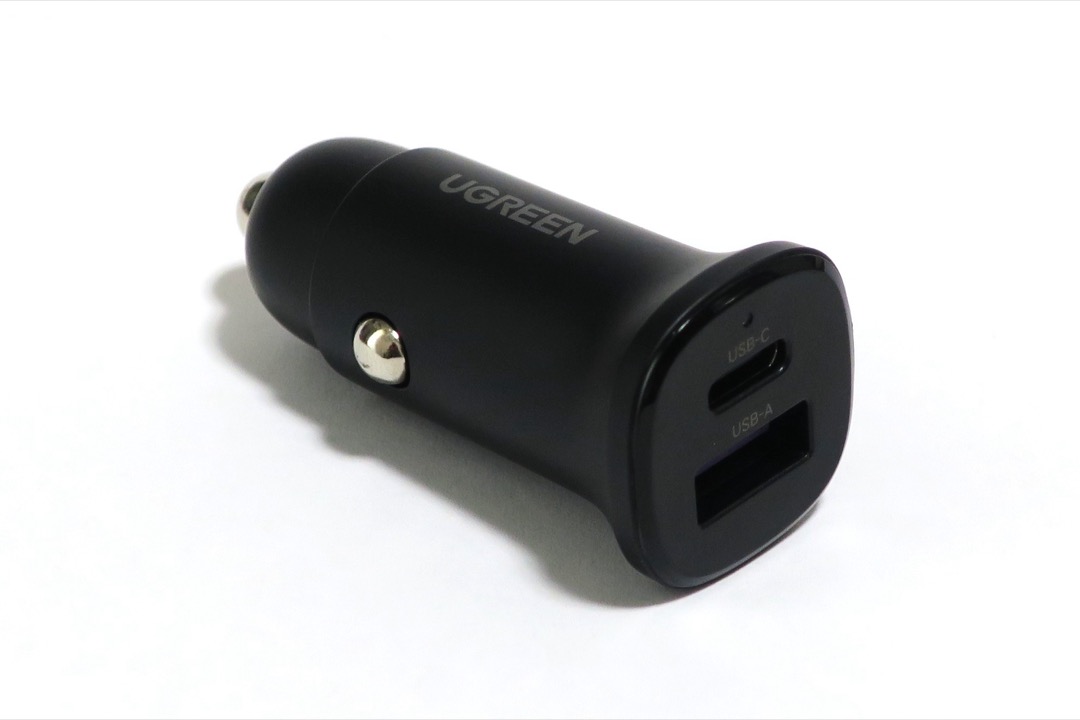
A phone that dies at 20 percent on the highway is not a minor annoyance — it is a dead navigation system, no roadside contact, and no way to pull up your insurance card if you get pulled over. The right car charger fixes that in the time it takes to merge onto the interstate. I have been an ASE Master Technician for over two decades, and I have watched car charging go from a single one-amp cigarette-lighter plug to 200-watt GaN units that can run a laptop from the dashboard. For 2026 I tested and researched the best car chargers across every use case — iPhone, Android, Samsung, USB-C laptops, and clutter-free retractable designs — and narrowed a crowded, confusing field down to nine I would actually plug into my own truck.
One important clarification before we start: this guide covers USB and USB-C chargers that plug into your 12V socket to charge phones, tablets, and laptops. If you are looking to charge your car’s actual starter battery, that is a completely different tool — see our guide to the best car battery chargers instead. For everyone here to keep their devices topped off, a good charger pairs naturally with a solid car phone mount so your navigation stays visible and powered at the same time.
Every charger below was verified as a live, in-stock Amazon listing in July 2026, and I selected them on real output, port configuration, charging-protocol support, and build quality — not marketing wattage. I will also explain, in plain terms, why a “200W” charger cannot actually pull 200 watts through one cigarette-lighter socket, and why that is completely fine.
After comparing wattage, ports, and protocol support across dozens of units, here are my nine picks at a glance. The table below leads with what each charger is best for — tap any Amazon button to check the current price, or read the full reviews underneath.
| Product | Price | Buy |
|---|---|---|
| UGREEN 130W USB-C Car Charger with CableBest Overall | $34.99 | View on Amazon |
| UGREEN 130W USB-C Car Charger (No Cable)Runner-Up | $18.97 | View on Amazon |
| Anker PowerDrive III Duo 40W Car ChargerBudget Pick | $16.88 | View on Amazon |
| Anker 167.5W Max 3-Port USB-C Car ChargerPremium Pick | $37.79 | View on Amazon |
| LISEN Retractable Car Charger (84W 4-in-1) | $16.99 | View on Amazon |
| Belkin BoostCharge 37W Dual Car Charger | $24.99 | View on Amazon |
| Anker Retractable USB-C Car Charger (75W) | $25.49 | View on Amazon |
| LISEN 200W GaN Car Charger | $29.99 | View on Amazon |
| MRGLAS 125W All-Metal Car Charger | $15.98 | View on Amazon |
Find the Best Car Charger for Your Need
Jump to the charger that matches how you plan to use it:
- Best car charger overall
- Best car charger for iPhone
- Best USB-C car charger
- Fastest car charger
- Best car charger for Android
- Best car charger for Samsung
- Best retractable car charger
How We Chose These Car Chargers
Every charger in this roundup was selected on four criteria: a verified, in-stock Amazon listing, a real review base rather than a handful of scattered ratings, measurable differentiators in wattage, ports, or protocol support, and genuine brand safety engineering. I threw out the no-name 200W units with fake wattage claims and thin review histories — a charger that sits inches from your wiring and fuel lines is not the place to save five dollars on an uncertified circuit. The nine below cover every use case from a two-dollar-a-week budget phone charger to a 200W laptop station for the mobile office, and I have picked them to give you a clear answer no matter what you drive or what you carry.
Best Car Chargers Overall
Below are the nine chargers I trust, each reviewed in full. The UGREEN 130W with Cable is the best all-around pick for most drivers; the use-case sections that follow narrow the field for iPhone, USB-C, raw speed, Android, Samsung, and retractable designs.
Best Overall: UGREEN 130W USB-C Car Charger with Cable
This is the charger I hand most drivers when they ask what to keep in the console, and the reason is the box, not just the brick. Three ports — a 100W USB-C, a 45W PPS USB-C, and a 22.5W USB-A — cover a laptop, a phone, and a passenger’s device at once, and 130W is enough headroom that none of them falls back to a slower rate when all three are occupied. PD 3.0 and PPS handle the negotiation automatically, so a fast-charge iPhone, a PPS-dependent Galaxy, and an older USB-A device each get their correct voltage without you thinking about it.
The bundled cable is what pushes it ahead of otherwise-identical three-port units. It is a 3.3-foot 100W USB-C cable with a built-in E-Marker chip, which means the charger reaches its rated output the moment you open the package. This matters more than it sounds: a cable that cannot carry 5A is the single most common reason a capable charger appears to charge slowly, and buyers almost always blame the charger. UGREEN also gets the safety engineering right — UL tested, RoHS, CE, and FCC certified, with over-current, over-voltage, thermal, and short-circuit protection, plus 12V-24V input that works in a truck or RV rather than just a car.
The honest caveats are price and port layout. You pay a premium over the bare version of the same charger reviewed next, which is only worth it if you do not already own a proper 5A cable. And the three ports look alike while delivering very different wattages, so a laptop plugged into the 45W port charges at 45W and you will not get a warning. Learn the layout once and it is a non-issue.

UGREEN 130W USB-C Car Charger with Cable
by UGREEN
The do-everything pick -- three ports, 130W, and a 100W e-marked USB-C cable in the box mean it fast-charges a laptop, a phone, and a passenger's device at full speed straight out of the packaging.
Pros
- Three ports and 130W total -- a 100W USB-C, a 45W PPS USB-C, and a 22.5W USB-A -- run a laptop, a phone, and a passenger's device from one 12V socket with enough headroom that nothing drops to a fallback speed when all three are in use
- Ships with a 3.3-foot 100W USB-C cable carrying a built-in E-Marker chip, so the charger hits its full rated output the moment you unbox it -- an underrated cable is the most common reason a capable charger charges slowly
- PD 3.0 and PPS negotiate the correct voltage for a fast-charge iPhone, a PPS-dependent Galaxy, and a USB-C laptop from the same unit, so one charger covers every device in the car without you thinking about it
- UL tested and RoHS, CE, and FCC certified, with protection against over-current, over-voltage, over-heating, and short circuits, plus 12V-24V input that works in trucks and RVs -- the safety engineering I want in something left plugged in permanently
Cons
- Costs more than the identical charger sold without the bundled cable -- if you already own a 5A e-marked USB-C cable, the bare version below charges exactly the same for less
- The three ports are asymmetric and look alike, so plugging a laptop into the 45W or 22.5W port instead of the 100W one caps it well below full speed until you learn the layout
Runner-Up: UGREEN 130W USB-C Car Charger (No Cable)
This is the same 130W charger as the pick above, sold without the bundled cable, and it is the better buy for anyone who already owns a decent USB-C cable. Same three ports, same 100W USB-C output, same PD 3.0 and PPS support — the only thing missing is the wire, and the saving is real. Several 2026 roundups crowned this version best overall, and the reasoning holds up: genuine 100W laptop output, three usable ports, and a price well under the premium Anker units. It will fast-charge a USB-C laptop and a phone simultaneously, which is the charger that lets you leave the laptop’s wall brick at home on a road trip.
The machined aluminum body is not just for looks — it acts as a heat sink, shedding the heat a high-wattage charger generates so the unit holds its output instead of throttling on a sun-baked dash. PD 3.0 and PPS support cover Apple, Google, and Samsung Super Fast Charging at full rate. This is a legitimately capable charger that undercuts the field on price.
Two things to know. To actually reach 100W you need a 5A e-marked USB-C cable, not whatever came free with an old accessory — that is exactly the cable the cabled version includes, so budget for one if you do not have it and check the maths before choosing this one. And the two USB-C ports are asymmetric: the 100W port and the 30W port look identical, so plug your laptop into the wrong one and you cap it at 30W. Learn the layout once and it is a non-issue.

UGREEN 130W USB-C Car Charger (No Cable)
by UGREEN
The value laptop-charger champion -- 130W with genuine 100W USB-C output charges a laptop and phone together for less than the premium units, as long as you bring a 5A cable.
Pros
- 130W total across dual USB-C (100W + 30W) plus a 22.5W USB-A is enough to fast-charge a USB-C laptop and a phone at the same time -- this is the charger that replaces a separate laptop brick on a road trip
- Named best overall by several 2026 roundups for good reason: it hits a rare combination of real laptop wattage, three usable ports, and a price well below the premium Anker units
- Machined aluminum body doubles as a heat sink, so it sheds the heat that high-wattage circuits generate instead of throttling -- important when it lives on a sun-baked dash
- PD 3.0 and PPS support charge Samsung Super Fast Charging phones and PPS-dependent devices at their full negotiated rate, not a fallback speed
Cons
- No cable included -- you supply your own USB-C cable, and to hit 100W you need a 5A e-marked cable, not a bargain-bin one
- The 100W and 30W ports are asymmetric -- plug your laptop into the wrong port and you cap it at 30W, so it takes a moment to learn the layout
Best Budget: Anker PowerDrive III Duo (40W)
The PowerDrive III Duo is the budget pick I recommend without reservation, because it does one thing perfectly: fast-charge two phones. Two 20W USB-C PD ports is exactly the configuration two people need, and PowerIQ 3.0 on both ports means each device negotiates its own optimal PD profile independently — a fast-charge iPhone and a Pixel plugged in together both get full speed, not a split-the-difference compromise.
What earns it the budget slot over the dozens of cheaper adapters is its track record: 4.8 stars across roughly 9,700 ratings, accumulated over years in Anker’s catalog without the reliability complaints that plague no-name units. It is compact enough to disappear into the socket, and it deliberately skips a USB-A port — there is no slow legacy option to accidentally use, because it is purpose-built for two modern USB-C phones.
The trade-off is honest and obvious: 40W total, 20W per port, is a phone-and-earbuds charger. It will charge an iPad, just not at the iPad’s fastest rate, and it is not a laptop charger at all. If all you and a passenger do is keep two phones alive on the drive, this is the smart-money choice and there is no reason to spend more.

Anker PowerDrive III Duo 40W Car Charger
by Anker
The proven cheap two-phone workhorse -- dual 20W USB-C PD ports, PowerIQ 3.0, and 9,400 ratings at 4.8 stars make this the budget pick I recommend without reservation.
Pros
- Two 20W USB-C PD ports is exactly what two people fast-charging phones need, and Anker delivers it at one of the lowest prices in this roundup without cutting the safety engineering
- PowerIQ 3.0 on both ports means each device negotiates its own optimal PD profile independently -- a fast-charge iPhone and a Pixel plugged in together both get full speed
- 4.8 stars across roughly 9,700 ratings is the deepest proven track record here -- a workhorse that has been in the catalog for years without the reliability complaints that plague cheap no-name adapters
- Compact enough to disappear into the socket, with no USB-A port to tempt you into slow legacy charging -- it is purpose-built for two modern USB-C phones
Cons
- 40W total and 20W per port is a phone-and-earbuds charger, not a tablet or laptop charger -- it will charge an iPad, just not at the iPad's fastest rate
- USB-C only, so an older USB-A cable or accessory will not plug in without an adapter
Upgrade Pick: Anker 167.5W 3-Port USB-C Car Charger
The Anker 167.5W is the power-user pick, and it is the charger I point people to when they want one unit to run everything. 167.5W max across two 100W-capable USB-C ports plus a USB-A is genuine laptop-and-more wattage: it fast-charges a MacBook Pro, an iPad, and a phone at the same time without any of them dropping to a trickle. The intelligent power allocation is the clever part — plug in one device and it gets the full 100W; plug in a second or third and the charger rebalances automatically.
The engineering story is GaN. Gallium nitride semiconductors switch more efficiently than traditional silicon, so this much output comes from a housing barely bigger than a basic dual charger — it does not stick out and catch your knee, and it runs cooler under load. 4.8 stars across roughly 3,200 ratings tells me it delivers its rated output in the real world, not just on the box.
Here is where the socket-wattage math matters, and it is worth understanding before you buy any high-wattage charger. The 167.5W figure is the combined capability of all three ports. A single 12V accessory socket is protected by a fuse, usually 10 to 15 amps, and since power equals volts times amps, that socket can safely pass roughly 120 to 180 watts before the fuse blows. You will never pull the full 167.5W through one plug — but you rarely need to, because that number is headroom so the charger does not throttle when you load up multiple devices. Bring a 100W-rated e-marked USB-C cable for full laptop speed, and only step up to this over the everyday picks if you genuinely charge a laptop in the car.

Anker 167.5W Max 3-Port USB-C Car Charger
by Anker
The power-user pick -- 167.5W and dual 100W USB-C ports fast-charge a laptop, tablet, and phone at once from one socket, in a GaN housing barely bigger than a basic charger.
Pros
- 167.5W max across two 100W-capable USB-C ports plus a USB-A is genuine laptop-and-more wattage -- it fast-charges a MacBook Pro, an iPad, and a phone simultaneously without any of them dropping to a trickle
- Ultra-compact for the output -- Anker uses GaN semiconductors to pack this much power into a housing barely larger than a basic dual charger, so it does not stick out and catch your knee
- Intelligent power allocation shifts wattage to the ports in use -- one device gets the full 100W, and it rebalances automatically as you plug in a second or third
- 4.8 stars across roughly 3,200 ratings backs up the spec sheet -- this is the power-user charger that actually delivers its rated output rather than marketing-peak numbers
Cons
- The 167.5W rating is the sum of all ports -- a single cigarette-lighter socket on a 10 to 15A fuse physically cannot deliver that much, so treat it as headroom for multiple devices, not single-port speed
- No cable included, and full-speed laptop charging needs a 100W-rated e-marked USB-C cable
- Priced above the everyday picks -- worth it only if you actually charge a laptop in the car
LISEN Retractable Car Charger (84W): The Best Seller
The LISEN Retractable is the most popular car charger on Amazon for a reason that has nothing to do with wattage and everything to do with living with the thing every day. It has two built-in retractable USB-C cables plus an open USB-C and a USB-A port — pull a cable to the length you need, it locks, and it retracts out of the way when you are done. No cable falling into the footwell, no tangle in the console, and enough reach to cover the back seat. With roughly 24,000 ratings and over 10,000 bought per month, it is the most-validated pick in this roundup by a wide margin.
At 84W total it is a genuine whole-car solution: fast-charge two phones on the retractable cables while a passenger uses the two spare ports. The retractable design also quietly solves the most common car-charging failure — the loose cable that wears out at the connector or disappears under the seat. For a family that lives on USB-C phones, the clutter elimination is worth more than a few extra watts.
The honest limits follow from the design. The retractable cables are USB-C and a fixed length, so a Lightning device or a longer run means falling back to an open port with your own cable. 84W spread across four outputs means no single port hits the 100W a laptop wants — this is a multi-phone charger, not a laptop charger. And the built-in cables are the wear item: if one eventually frays, you replace the whole unit rather than a single cable. If you also run a plug-in accessory like a dash cam, the open USB-A port handles it without stealing speed from the phone cables.

LISEN Retractable Car Charger (84W 4-in-1)
by LISEN
The clutter-killer best seller -- two retractable USB-C cables plus two open ports charge the whole car with no loose cables, and a very deep review base makes it one of the most-validated picks here.
Pros
- Two built-in retractable USB-C cables plus a USB-C and a USB-A port cover the front and back seats with zero loose cable clutter -- pull a cable to length, it locks, and it retracts out of the way when you are done
- Amazon's number-one best seller in car chargers with roughly 24,800 ratings and 10,000-plus bought per month -- the deepest real-world validation of any charger in this roundup
- 84W total is enough to fast-charge two phones on the retractable cables while a passenger uses the spare ports -- genuinely a whole-car solution for a family
- The retractable design eliminates the single most annoying failure point of car charging: the cable that falls into the footwell or wears out at the connector
Cons
- Retractable cables are a fixed length and USB-C connector -- if a device needs Lightning or micro-USB, you are using the open ports with your own cable anyway
- 84W spread across four outputs means no single port hits the 100W a laptop wants -- this is a multi-phone charger, not a laptop charger
- The built-in cables are the wear item -- if one eventually frays, you replace the whole unit rather than a single cable
Belkin BoostCharge 37W: Certified-Brand Simplicity
The Belkin BoostCharge 37W is the charger I recommend to someone who just bought a new iPhone or Galaxy and wants to know, with certainty, that they are charging it safely. Belkin is a certified-brand name that both Apple and Samsung list, and its 25W USB-C PD port with PPS is tuned exactly for modern phone fast charging. There is no guesswork about whether this uncertified circuit is safe for a thousand-dollar phone — that is Belkin’s entire value proposition.
It is also a complete solution out of the box. The 3.3-foot USB-C cable is included, so you plug it in and fast-charge immediately with nothing else to buy — a real convenience compared with the open-port chargers that assume you already own a good cable. The 12W USB-A second port handles a passenger’s older phone, earbuds, or a plug-in accessory without slowing the main port. And Belkin backs it with a genuine warranty and connected-equipment guarantee, a level of accountability the no-name 12V adapters simply do not offer.
The ceiling is 37W total, which makes it a two-phone charger. It is not built for tablets at full speed and not a laptop charger at all. The Amazon review base is smaller than the Anker and LISEN picks, but Belkin’s long brand track record more than offsets a thinner sample. For a simple, safe, complete iPhone or Samsung fast-charge setup, it is exactly right.

Belkin BoostCharge 37W Dual Car Charger
by Belkin
The certified-brand iPhone pick -- 25W USB-C PD with PPS, an included cable, and Belkin's warranty make this the safe, complete fast-charge choice for a new iPhone or Galaxy.
Pros
- 25W USB-C PD with PPS is tuned exactly for iPhone and Samsung fast charging, and Belkin is a certified-brand name both Apple and Samsung list -- if you want a charger you know is safe for a new phone, this is it
- Includes a 3.3-foot USB-C cable in the box, so it is a complete iPhone fast-charge solution out of the package with nothing else to buy
- 12W USB-A second port handles a passenger's older phone, earbuds, or a plug-in dash cam without stealing speed from the USB-C port
- Belkin backs its chargers with a genuine warranty and connected-equipment guarantee -- a level of accountability the no-name 12V adapters do not offer
Cons
- 37W total is a two-phone ceiling -- it is not built for tablets at full speed or laptops at all
- Smaller Amazon review base than the Anker and LISEN picks, though Belkin's brand track record offsets the thinner sample
Anker Retractable USB-C Car Charger (75W)
The Anker Retractable is for the driver who wants the no-clutter convenience of a built-in cable but is not willing to gamble on a bargain-brand retractable mechanism. It pairs a retractable USB-C cable (about 2.6 feet) with a second open USB-C port, and it puts Anker’s charging regulation behind the whole thing. The retractable locks positively at length rather than creeping back in mid-charge, which is the failure mode that makes cheap retractables frustrating.
At 75W max it fast-charges a phone on the retractable cable and a tablet on the second port at the same time, and PowerIQ 3.0 with PPS covers Apple, Google, and Samsung fast charging at full rate. 4.7 stars across roughly 3,200 ratings tells me the mechanism holds up over time — the thing that matters most on a charger you will pull hundreds of times.
It costs more than the LISEN retractable and gives you one built-in cable instead of two, so the choice between them is straightforward: pick this one for Anker build quality and regulation, pick the LISEN for maximum cable count and the lower price. If you charge a single primary phone and want the cleanest possible console, the Anker is the more refined tool.

Anker Retractable USB-C Car Charger (75W)
by Anker
The premium retractable -- Anker's charging regulation behind a locking retractable USB-C cable plus a second port, for drivers who want the no-clutter convenience without a bargain-cable gamble.
Pros
- Built-in retractable USB-C cable (about 2.6 feet) plus a second USB-C port gives you a premium retractable with Anker's charging regulation behind it -- the retractable convenience without the cheap-cable worry
- 75W max is enough to fast-charge a phone on the retractable cable and a tablet on the second port at the same time
- PowerIQ 3.0 with PPS negotiates the right profile for each device, so both a fast-charge iPhone and a PPS Samsung get their full rate
- 4.7 stars across roughly 3,200 ratings -- the retractable mechanism is well-engineered and the cable locks positively at length rather than creeping back in
Cons
- The retractable cable is USB-C only and a fixed length -- Lightning or longer runs mean using the open port with your own cable
- Costs more than the LISEN retractable for one built-in cable instead of two, so it is the pick for build quality over maximum cable count
LISEN 200W GaN Car Charger: Maximum Wattage
The LISEN 200W is the wattage monster of this roundup and the answer for the mobile office. 200W total across four ports (three USB-C plus USB-A) with a single-port PD max of 140W means it can fast-charge a 16-inch MacBook Pro at its full rate — something no other charger here can do — while still powering a tablet and two phones on a long haul. PD 3.1 support is forward-looking, covering the newest high-wattage laptops that older PD 3.0 chargers cap below full speed.
GaN is what makes it practical. Gallium nitride runs more efficiently than silicon, so 200W of capability fits in a compact housing that stays cooler under sustained load — important when a laptop is drawing hard for an hour on a hot dash. For a contractor running a laptop and tablet between job sites or a family on a road trip with four devices, this is the one charger that keeps everything at full speed.
The 200W caveat is the same socket math from the Anker 167.5W: that number is the sum of all four ports, and one 12V socket on a typical fuse tops out near 120W real-world. You will not pull 200W through a single plug — but you do not need to, because even a 140W laptop charge stays under a 15A fuse’s limit, and the high total simply gives the charger room to run multiple devices without throttling. Bring a 5A e-marked cable for 140W laptop speed, and note the review base is smaller (around 1,100 ratings) than the established Anker picks.

LISEN 200W GaN Car Charger
by LISEN
The laptop road-warrior's wattage monster -- 200W total and a 140W single-port PD 3.1 max charge even a 16-inch MacBook Pro at full speed, in a cool-running GaN housing.
Pros
- 200W total across four ports with a single-port PD max of 140W is the wattage monster of this roundup -- it fast-charges a 16-inch MacBook Pro at its full 140W rate, something no other charger here can do
- GaN (gallium nitride) semiconductors deliver that power from a compact housing while running cooler than an equivalent silicon charger -- GaN is more efficient, so less energy is wasted as heat
- Four ports (three USB-C plus USB-A) genuinely power a laptop, tablet, and two phones on a long drive -- the road-warrior and mobile-office charger
- PD 3.1 support is forward-looking -- it covers the newest high-wattage laptops that older PD 3.0 chargers cap below full speed
Cons
- The 200W rating is the sum of all four ports; one 12V socket on a typical 10 to 15A fuse tops out near 120W real-world, so you will not pull 200W through a single cigarette-lighter plug -- fine, because you rarely need to
- No cable included, and 140W laptop charging requires a 5A e-marked USB-C cable rated for the job
- Smaller review base at roughly 1,200 ratings -- newer than the established Anker picks
MRGLAS 125W All-Metal Car Charger: The Diagnostic Angle
The MRGLAS 125W is the one I would put in a work truck, and it has a trick no other charger here offers: a real-time voltage display. With the engine off it shows resting battery voltage — a healthy battery reads about 12.6 volts, and anything under 12.4 is a battery that is getting tired. Start the engine and it shows charging voltage, which should sit between 13.8 and 14.7 volts; if it does not, your alternator is not doing its job. That is genuinely useful information most chargers hide, and on a work truck it can flag a failing battery or alternator before it strands you. Treat it as an early-warning light, not a diagnosis — for the real answer, pair it with a proper OBD2 scanner or a battery load test.
The charging is capable too: 65W USB-C PD plus a 60W QC USB-A covers a laptop or tablet on one port and a fast-charge phone on the other. The standout spec for commercial users is the 12 to 24V input, which means it works in heavy trucks, RVs, and equipment running 24V electrical systems — most consumer chargers are 12V only and will not function there. The all-metal body sheds heat and shrugs off the abuse of a work-truck cab better than plastic budget units.
Two ports is fewer than the Anker and LISEN multi-port chargers, so this is a driver-plus-passenger charger rather than a whole-family one, and its 4.4-star average is the lowest here (though still solid across roughly 4,300 ratings). For a trucker or tradesperson who values the diagnostic readout and 24V capability, those trade-offs are easy to accept.

MRGLAS 125W All-Metal Car Charger
by MRGLAS
The trucker's charger with a diagnostic bonus -- 125W across a PD and a QC port, 12 to 24V input for big rigs, and a voltage display that flags a weak battery or alternator before it strands you.
Pros
- Real-time voltage display doubles as a free diagnostic -- with the engine off it shows resting battery voltage (a healthy battery reads about 12.6V), and with the engine running it shows charging voltage (13.8 to 14.7V tells you the alternator is working), info most chargers hide
- 65W USB-C PD plus 60W QC USB-A covers a laptop or tablet on one port and a fast-charge phone on the other -- a lot of capability for the price
- 12 to 24V input means it works in heavy trucks, RVs, and commercial equipment with 24V electrical systems, not just 12V passenger cars -- most consumer chargers are 12V only
- All-metal body sheds heat and survives the abuse of a work-truck cab better than the plastic-housed budget units
Cons
- The voltage readout is a rough guide, not a substitute for a proper battery load test or a scan tool -- treat it as an early-warning light, not a diagnosis
- Two ports is fewer than the Anker and LISEN multi-port units -- it is a driver-plus-passenger charger, not a whole-family one
- 4.4 stars is the lowest rating in this roundup, though still solid across roughly 4,300 ratings
Best Car Charger for iPhone
iPhones fast-charge over USB-C Power Delivery (or Lightning PD on older models) and cap around 27 to 30W, so you do not need huge wattage — you need a reliable PD port, ideally an included cable so you are ready out of the box. All three below deliver full iPhone fast-charge speed; the difference is whether you also charge other devices.
| Product | Price | Buy |
|---|---|---|
| Belkin BoostCharge 37W Dual Car ChargerBest value for iPhone 25W USB-C PD with PPS from a brand Apple lists, and a cable in the box -- a complete, safe iPhone fast-charge setup with nothing else to buy | $24.99 | View on Amazon |
| UGREEN 130W USB-C Car Charger with CableBest all-around for iPhone 130W across three ports fast-charges an iPhone plus an iPad and a passenger's phone, and the 100W e-marked cable in the box means full speed with nothing else to buy | $34.99 | View on Amazon |
| Anker 167.5W Max 3-Port USB-C Car ChargerBest if you also charge a laptop Dual 100W USB-C ports fast-charge an iPhone at full speed while also running a MacBook Pro -- the pick if two power-hungry devices travel together | $37.79 | View on Amazon |
Best USB-C Car Charger
USB-C with Power Delivery is the universal fast-charge standard — it covers Apple, Google, Samsung, and USB-C laptops from one port shape. If you have gone all-in on USB-C devices, these are the three I would choose across the price range.
| Product | Price | Buy |
|---|---|---|
| UGREEN 130W USB-C Car Charger (No Cable)Best USB-C overall 130W with genuine 100W USB-C output charges a laptop and phone together for a mid-tier price -- the value champion, bring a 5A cable | $18.97 | View on Amazon |
| Anker 167.5W Max 3-Port USB-C Car ChargerBest high-wattage USB-C 167.5W and dual 100W USB-C ports for charging a laptop, tablet, and phone at once from a single socket | $37.79 | View on Amazon |
| Anker PowerDrive III Duo 40W Car ChargerBest budget USB-C Dual 20W USB-C PD ports at one of the lowest prices here -- the smart-money choice if you only fast-charge phones | $16.88 | View on Amazon |
Fastest Car Charger
Speed comes in two flavors: highest single-port wattage for one demanding device, and enough total headroom to keep several devices at full speed at once. Remember the socket math — one 12V plug is fuse-limited to roughly 120 to 180W real-world, so the fastest charge for a single laptop is really about single-port PD wattage.
| Product | Price | Buy |
|---|---|---|
| Anker 167.5W Max 3-Port USB-C Car ChargerFastest for multiple devices 167.5W total with dual 100W USB-C ports keeps a laptop, tablet, and phone all at full speed simultaneously | $37.79 | View on Amazon |
| LISEN 200W GaN Car ChargerHighest single-port wattage 140W single-port PD 3.1 is the highest here -- the only charger that fast-charges a 16-inch MacBook Pro at its full rate | $29.99 | View on Amazon |
| UGREEN 130W USB-C Car Charger (No Cable)Fastest value 130W with a real 100W USB-C port delivers near-flagship charging speed for well under the premium units' price | $18.97 | View on Amazon |
Best Car Charger for Android
Android covers everything from a value phone to a flagship, and the right charger depends on your device and budget. Most Android phones fast-charge over USB-C PD; a few older models use Quick Charge on USB-A. These three cover the range.
| Product | Price | Buy |
|---|---|---|
| Anker PowerDrive III Duo 40W Car ChargerBest budget for Android Dual 20W USB-C PD ports fast-charge two Android phones independently at a budget price, backed by 4.8 stars across roughly 9,700 ratings | $16.88 | View on Amazon |
| MRGLAS 125W All-Metal Car ChargerBest for trucks and rugged use 125W with both PD and QC ports covers newer and older Android phones, plus a voltage display and 12-24V input for work trucks | $15.98 | View on Amazon |
| UGREEN 130W USB-C Car Charger (No Cable)Best for Android plus a laptop 130W with PD, PPS, and QC handles any Android phone at full speed and charges a USB-C laptop alongside it | $18.97 | View on Amazon |
Best Car Charger for Samsung
Samsung’s 25W and 45W Super Fast Charging is the one case where the protocol genuinely matters: it requires PPS, not plain PD. Without PPS, a Galaxy falls back to a slower standard rate. The picks below prioritize confirmed PPS support and the headroom to run a Galaxy at full speed.
| Product | Price | Buy |
|---|---|---|
| MRGLAS 125W All-Metal Car ChargerMost wattage for Samsung 125W with a 65W PD port and a voltage display gives a Galaxy plenty of headroom -- confirm PPS if you rely on 45W Super Fast Charging 2.0 | $15.98 | View on Amazon |
| Belkin BoostCharge 37W Dual Car ChargerCertified Samsung fast charge 25W USB-C PD with PPS from a brand Samsung lists, plus an included cable -- the certain choice for full Galaxy fast charging | $24.99 | View on Amazon |
| UGREEN 130W USB-C Car Charger with CableBest all-around for Samsung A dedicated 45W PPS port covers Galaxy Super Fast Charging 2.0 at full rate, with 130W total left over for a tablet and a passenger's phone | $34.99 | View on Amazon |
Best Retractable Car Charger
Retractable chargers build the cable in and lock it at length, eliminating the loose-cable clutter that plagues the console. Both below are worth owning; the choice is cable count and price versus build quality.
| Product | Price | Buy |
|---|---|---|
| LISEN Retractable Car Charger (84W 4-in-1)Best value retractable Two retractable USB-C cables plus two open ports at a budget price -- the whole-car, whole-family clutter-killer and Amazon's best seller | $16.99 | View on Amazon |
| Anker Retractable USB-C Car Charger (75W)Best premium retractable One Anker-regulated retractable USB-C cable plus a second port -- fewer cables but better build quality and positive locking | $25.49 | View on Amazon |
More Car Chargers by Use Case
A few more matches for specific jobs — laptop charging and 12V/24V trucks — each linking to its full review above.
| Product | Price | Buy |
|---|---|---|
| LISEN 200W GaN Car ChargerBest for laptop charging 140W single-port PD 3.1 fast-charges even a 16-inch MacBook Pro at full speed, with three more ports for the rest of the car | $29.99 | View on Amazon |
| Anker 167.5W Max 3-Port USB-C Car ChargerBest for laptop plus phones 167.5W with dual 100W USB-C ports runs a laptop and phones together while staying compact on the dash | $37.79 | View on Amazon |
| MRGLAS 125W All-Metal Car ChargerBest for 12V/24V trucks 125W with 12-24V input works in heavy trucks and RVs where 12V-only chargers will not, plus a battery-voltage display | $15.98 | View on Amazon |
How to Choose the Best Car Charger
Total Wattage: Buy for Your Biggest Device, Not the Headline Number
The most common mistake is buying wattage for its own sake. Match the charger to the biggest thing you actually charge. A modern phone fast-charges at 20 to 30W, so a single 30W USB-C PD port maxes out any current phone — more wattage on that port is simply wasted. A tablet wants 30 to 45W. Only a USB-C laptop needs real power: 60 to 100W for most, up to 140W for a 16-inch MacBook Pro. If you only ever charge phones and tablets, a 40 to 67W charger like the PowerDrive III Duo or the Belkin BoostCharge is all you need, and paying for more is wasted money. I still lead with a 130W unit because most households eventually put a laptop or a second high-draw device in the car and the headroom costs little — but if you know that will never be you, buy the smaller charger and spend the difference on a good cable.
The Socket Math: Why 200W Chargers Do Not Deliver 200W
This is the detail that clears up the most buyer confusion. A car’s 12V accessory socket is protected by a fuse, typically 10 to 15 amps. Power equals volts times amps, so that socket can safely pass about 120 watts on a 10A fuse and about 180 watts on a 15A fuse before the fuse blows. When you see a charger advertised at 200W, that is the combined capability of all its ports — not what one socket can supply. In practice this never limits you, because you almost never need maximum wattage through every port at once, and even a 140W laptop charge stays under a 15A fuse’s ceiling. The high total-wattage number just means the charger has headroom and will not throttle when you load it up. If a big charger does trip the fuse, that circuit was being asked for more than it can safely give.
Ports and Protocols: PD, QC, and PPS in Plain English
USB-C is the modern standard and USB Power Delivery (PD) is its universal fast-charge protocol — it covers Apple, Google, and USB-C laptops. Quick Charge (QC) is Qualcomm’s older standard, mostly found on USB-A ports for older Android phones. PPS is a PD extension that fine-tunes voltage in small steps; it is what Samsung’s 25W and 45W Super Fast Charging requires and it runs cooler than fixed-voltage charging. For the widest compatibility, choose a charger with PD and PPS — it fast-charges nearly every current device from the same port. Also watch for asymmetric ports on high-wattage units: plug a laptop into the lower-wattage port by mistake and it charges at a fraction of the speed.
GaN and Heat: Why the Semiconductor Matters on a Hot Dash
A car charger lives in one of the hottest spots in the vehicle, and heat degrades both charging speed and long-term reliability. Gallium nitride (GaN) chargers switch more efficiently than older silicon designs, wasting less energy as heat, which is how a unit like the Anker 167.5W or LISEN 200W packs laptop-grade power into a compact housing that holds its output instead of throttling. An aluminum or all-metal body, like the UGREEN or MRGLAS, adds a heat sink that further stabilizes performance when the cabin is baking. If you charge hard in a hot climate, GaN plus a metal body is the combination that stays fast.
Cables: The Overlooked Reason a Fast Charger Charges Slow
A capable charger with the wrong cable charges slowly, and buyers blame the charger. Some units include a cable rated for their full output (the UGREEN 130W with Cable, Belkin), making them complete out of the box. Retractable chargers build the cable in and kill console clutter, at the cost of a fixed length and USB-C-only connector. Open-port chargers stay flexible across Lightning, USB-C, and micro-USB but require you to supply cables — and to reach 100W or 140W you need a 5A e-marked USB-C cable, not a random one from a drawer. Budget for a proper cable when you buy an open-port high-wattage charger, or you will not see its rated speed.
Fit, Safety, and Brand: Do Not Cheap Out on the Socket
A charger that protrudes from the socket catches knees and can wiggle loose over rough roads, so a low-profile design is meaningfully better day to day. More importantly, buy from a brand with real safety engineering. Anker, UGREEN, Belkin, and other established sellers build in over-current, over-voltage, and thermal protection; the cheapest no-name adapters cut those corners on a device that sits inches from your wiring. For a full roadside kit, a good charger belongs alongside a compact jump starter and a tire inflator — the three things that keep a stranded phone, a dead battery, and a soft tire from turning into a tow.
Final Verdict
For most drivers, the UGREEN 130W with Cable is the right answer. Three ports and 130W cover a laptop, a phone, and a passenger’s device at once; it includes a 100W e-marked USB-C cable so you are ready out of the box; and it is UL tested with the thermal and over-current protection I want in something left plugged in permanently. It is the charger I would put in my own truck and hand to a family member without a second thought. If you already own a proper 5A cable, buy the same charger without one and pocket the difference.
If you charge a USB-C laptop in the car, the top pick already covers you at 100W; take the UGREEN 130W (No Cable) if you own a 5A cable and want the same performance for less, the Anker 167.5W if you need dual 100W ports for two power-hungry devices at once, and the LISEN 200W only if you must fast-charge a 16-inch MacBook Pro at its full 140W rate. On a budget, the Anker PowerDrive III Duo is the one I reach for when all that matters is fast-charging two phones properly, and the LISEN Retractable costs about the same while killing the cable clutter for a whole-car, whole-family setup. For a work truck, the MRGLAS 125W adds a genuinely useful voltage display and 12 to 24V input. Match the charger to your biggest device and how many people ride with you, and any of the nine above will keep you powered up long after the cheap adapter in your glovebox has quit.
Buyer's Guide
After two decades working on vehicles and wiring up accessory power, these are the six factors that actually decide whether a car charger is worth keeping in your center console.
Total Wattage vs. Real-World Socket Limits
Match total wattage to your biggest device, but understand that the advertised total is the sum of all ports, not what a single socket can supply. Phones fast-charge at 20 to 30W, tablets at 30 to 45W, and laptops at 60 to 140W. A 12V accessory socket on a typical 10 to 15A fuse tops out near 120 to 180W real-world, so a 200W charger's headline number is combined-port headroom, not single-plug output. Buy for the device you actually run: 40 to 67W covers all phones and most tablets, and a 100W-plus unit earns its price only once a USB-C laptop or a second high-draw device is part of the picture. The reason the top pick here is a 130W unit rather than a 40W one is headroom plus the included cable, not the headline number.
Port Configuration and Count
Count the devices you charge at once and choose ports accordingly. USB-C is the modern standard -- it delivers PD fast charging and is what every new phone, tablet, and laptop uses. USB-A is the older rectangular port, useful for legacy cables, some dash cams, and older phones, but it charges slower. Two USB-C ports suit a couple of phones; add a USB-A for a passenger's older device. Watch for asymmetric ports on high-wattage units, where one port carries the full wattage and the others are limited -- plug your laptop into the wrong one and it charges at a fraction of the speed.
Charging Protocols: PD, QC, and PPS
The protocol is what lets a charger and device agree on fast-charge speed. USB Power Delivery (PD) is the universal one and covers Apple, Google, and USB-C laptops. Quick Charge (QC) is Qualcomm's older standard, mostly on USB-A ports. PPS is a PD extension required for Samsung 25W and 45W Super Fast Charging, and it runs cooler because it fine-tunes voltage in small steps. A charger with PD and PPS fast-charges the widest range of devices without a fallback speed, which is why every top pick here supports both.
GaN vs. Silicon and Heat Management
A car charger lives on a hot dashboard, and heat is the enemy of both charging speed and long-term reliability. Gallium nitride (GaN) semiconductors switch more efficiently than traditional silicon, wasting less energy as heat, which lets high-wattage chargers stay compact and hold their rated output instead of throttling when they get warm. The Anker 167.5W and LISEN 200W use GaN to pack laptop-grade power into a small housing. An aluminum or all-metal body, like the UGREEN and MRGLAS units, adds a heat sink that further stabilizes output in a sun-baked cabin.
Cable: Included, Retractable, or Bring-Your-Own
How the cable is handled matters more day-to-day than most buyers expect. Some chargers include a cable in the box (the UGREEN 130W with Cable, Belkin), making them a complete solution out of the package. Retractable units (LISEN Retractable, Anker Retractable) build the cable in and eliminate console clutter, at the cost of a fixed length and connector. Open-port chargers let you use your own cables, which stays flexible across Lightning, USB-C, and micro-USB but means you must supply them -- and to reach full high-wattage speed you need a 5A e-marked USB-C cable, not a random one from a drawer.
Fit, Fuse Safety, and Build Quality
A charger that sticks out of the socket catches knees and elbows and can loosen the connection over rough roads, so a low-profile design is genuinely better in daily use. Buy from a brand with real safety engineering -- Anker, UGREEN, Belkin, and established sellers build in over-current, over-voltage, and thermal protection, while the cheapest no-name adapters cut those corners on a device that sits inches from your fuel and wiring. If a charger repeatedly blows the accessory-socket fuse, that is the fuse doing its job against too much current draw, and a sign you are asking one socket for more than it can safely give.
Frequently Asked Questions
How many watts does a car charger actually need to be?
Why can't a 200W car charger actually deliver 200 watts?
What is the difference between PD, QC, and PPS charging?
Will a fast car charger drain my battery when the engine is off?
Are retractable car chargers reliable, or do the cables wear out?
Related Articles
About the Reviewer

Mike Reeves, ASE Master Technician
A.A.S. Automotive Technology, Universal Technical Institute (UTI)
Mike Reeves is an ASE Master Technician with 15 years of hands-on experience in automotive repair and diagnostics. He earned his A.A.S. in Automotive Technology from UTI and runs his own independent shop in Denver, Colorado. Mike founded RevRated to help everyday car owners make smarter parts decisions -- every recommendation comes from real-world testing in his garage.