7 Best Paint Protection Film Kits of 2026
Mike Reeves reviews the 7 best paint protection film kits of 2026. Compare TPU self-healing, cast vinyl, and PVC track films by thickness, install difficulty, finish clarity, and real-world durability for DIY application.
Updated
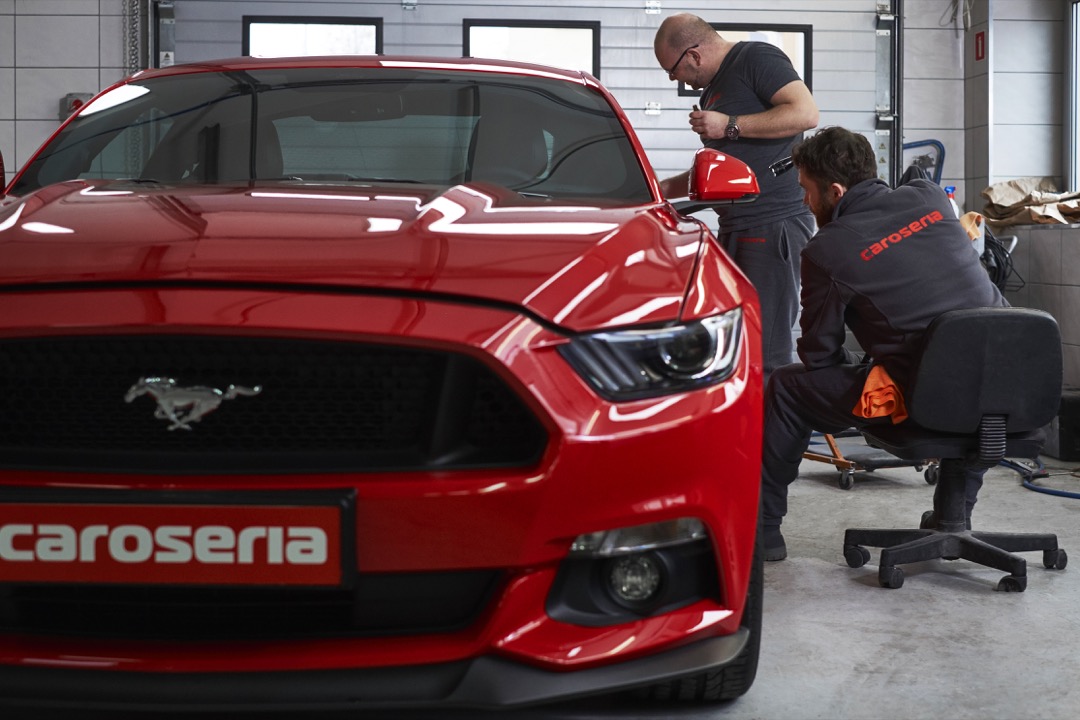
A customer brought me a two-month-old SUV last spring with PPF lifting along every edge of the hood leading edge. He had installed a name-brand TPU kit himself in his garage in February. The garage was 50 degrees Fahrenheit. The film looked perfect for the first three weeks, then started peeling back at the corners as the under-cured adhesive failed under bug strike pressure and the first highway car wash. He paid for the film. He paid for the install time. He paid me to scrape the residue off and start over. The film was fine. The install was fine. The temperature killed it.
I tested and researched these seven paint protection film kits because the information available online about DIY PPF is overwhelmingly written by installers selling professional installs or by drop-shipping affiliate sites that have never actually applied film. Mine is a third-party shop perspective: I do not sell PPF installations, I do not have a brand sponsor, I have replaced enough failed DIY installs to know which products and techniques actually work and which ones get you a do-over.
If you want a direct recommendation, the XPEL Clear Paint Protection Film 6-inch roll is the best paint protection film for most DIYers in 2026. It is genuine 8-mil TPU with real self-healing chemistry from the same brand professionals install on six-figure exotic cars. For first-time installers who want forgiveness over peak performance, the VViViD Premium Clear Cast is the easier learning curve. And if you want maximum surface coverage, the ARMOR UP 12-inch wide roll lets you wrap full hood leading edges in one continuous strip.
PPF is the right tool for one specific job: physical impact absorption. Rock chips, bug strike acid, gravel, and minor scratches stop at the film and never reach paint. It does not replace ceramic coating — the smart approach is film on the high-impact zones and ceramic coating over everything including the film. For a deeper look at chemical protection, our guide to the best car paint sealants covers the layer that goes on top.
| Product | Price | Buy |
|---|---|---|
| XPEL Clear Paint Protection Film Roll 6 inch by 60 inchBest Overall | $20.79 | View on Amazon |
| VViViD Premium Clear Cast 6 inch by 60 inchRunner-Up | $17.88 | View on Amazon |
| 3M Clear Bra Paint Protection Bulk Film Roll 6 inch by 39 inchBudget Pick | $17.98 | View on Amazon |
| ARMOR UP 12 inch by 72 inch Clear PPF RollPremium Pick | $40.80 | View on Amazon |
| 3M Scotchgard Clear Paint Protection Bulk Film Roll 6 inch by 48 inchRunner-Up | $19.09 | View on Amazon |
| VViViD Barricade Premium 8-Year Clear Gloss TPU PPF (6 inch by 120 inch)Runner-Up | $23.99 | View on Amazon |
| TRACK ARMOUR Temporary PPF 6 inch by 100 ftRunner-Up | $49.99 | View on Amazon |
Find the Best Paint Protection Film for Your Job
Jump straight to the film matched to what you are protecting and how you install it:
- Overall best paint protection film
- Best self-healing PPF
- Best PPF for trucks
- PPF by use case (headlights, bumpers, mirrors)
Best Paint Protection Film Overall
Every film below is reviewed in full further down the page. The XPEL 8-mil TPU roll is the pick most DIYers should start with; the use-case tables narrow the field by self-healing chemistry, panel size, and the specific zone you are protecting.
How We Chose These Paint Protection Films
I evaluated each film against five criteria that predict whether the install survives the first year. First, the actual polymer chemistry — TPU versus cast vinyl versus PVC matters more than thickness or marketing claims. Second, real-world adhesive performance, because edge lifting is the failure mode that defines a bad install. Third, optical clarity on dark paint, where cheap films fail visibly within months. Fourth, install forgiveness for first-time DIYers, because most readers are not professional installers. Fifth, value relative to the alternatives in the same chemistry tier. Every ASIN was verified live on Amazon before inclusion.
Best Overall: XPEL Clear Paint Protection Film Roll 6-inch by 60-inch
The XPEL roll earns the top spot because XPEL is the brand professional installers reach for first when a customer pulls up in a Porsche, a Ferrari, or a McLaren. This is not marketing positioning — it is the chemistry hierarchy. XPEL’s TPU formulation is what factory deliveries of six-figure vehicles get installed at the dealership before the customer takes possession. The 6-inch by 60-inch DIY roll uses the same polymer.
Eight-mil thickness is the right number. It is heavy enough to absorb rock chip impact without telegraphing the strike to the underlying clear coat, but thin enough to remain pliable during install and to disappear optically once squeegeed flat. Cheaper films at marketed thicknesses of 10 mil or 12 mil are usually PVC rather than TPU — the higher thickness is mass to compensate for inferior chemistry, and the result is a textured finish that looks like orange peel from any angle in direct sunlight.
The self-healing topcoat is what separates real PPF from clear vinyl that just covers paint. A fingernail scratch, a light swirl from a poorly washed microfiber, or a parking lot brush from another car door creates a visible mark that disappears within minutes when the film is warmed by sunlight or a hot water rinse. The urethane elastomer reflows back into shape on its own. This is the property that makes PPF worth the install effort versus simpler paint protection schemes — you get cumulative protection rather than cumulative damage.
The honest limitations: 6-inch width is too narrow for a full hood leading edge in one strip on most vehicles, which means either accepting a seam line or stepping up to the 12-inch ARMOR UP. The wet install requires temperature control, slip solution mixing, and squeegee technique that takes a few practice runs to develop. And the price per square foot is higher than vinyl alternatives. None of these are deal-breakers for a careful DIYer, but they are real and worth knowing before you start.

XPEL Clear Paint Protection Film Roll 6 inch by 60 inch
by XPEL
The best paint protection film for most DIYers -- genuine 8-mil XPEL TPU with real self-healing, optical clarity that disappears on any paint color, and the brand chemistry that backs professional installs.
Pros
- True 8-mil TPU film from XPEL, the brand professional installers use on Porsche, Ferrari, and McLaren factory deliveries -- the same polymer chemistry that backs multi-thousand-dollar professional installs
- Genuine self-healing topcoat that recovers light swirl marks and fingernail scratches when warmed by sun or warm water -- the urethane elastomer reflows on its own
- Optical-grade clarity that disappears completely on every paint color from white through black -- no orange peel haze and no edge yellowing under UV that ruins cheap vinyl PPF
- Strong adhesive bond that survives bug strikes, road salt, and pressure washing without lifting at the edges -- XPEL's adhesive consistently outperforms generic TPU at the same thickness
Cons
- Wet-install learning curve is real -- mix slip solution, position the film while it floats, squeegee water out from center to edges, all in a 60 to 90 degree Fahrenheit window
- 6-inch width limits this roll to small panel sections -- hood leading edges, mirror caps, door cups, and rocker panels rather than full hoods or full quarter panels
- Premium pricing per square foot compared to vinyl alternatives -- you pay for genuine TPU chemistry and the XPEL brand
Best for Beginners: VViViD Premium Clear Cast 6-inch by 60-inch
The VViViD Premium Clear Cast is the easiest first-time install in this roundup, and the 4,137-review track record at 4.4 stars validates that across thousands of garage installs by drivers with zero professional experience. Cast vinyl as a material is fundamentally more forgiving than TPU during application. The film stretches around compound curves without snapping back, conforms to door cup contours where TPU resists, and accepts repositioning during install in a way that stiffer urethane films do not.
For a first-time install on door cups, mirror caps, or rocker panel sections where the surfaces have curves rather than flat planes, the cast vinyl conformability is a meaningful advantage. You can lift, reposition, and re-squeegee a panel multiple times during install without the adhesive bond becoming permanent or the film distorting. That tolerance for technique errors is the single biggest factor in whether a beginner walks away with a successful install or a do-over.
The trade-off is that cast vinyl is not true PPF. It does not self-heal, which means light scratches and swirl marks accumulate visibly over time rather than recovering when the film warms in sunlight. Maximum durability is 3 to 5 years before edge yellowing under sustained UV exposure becomes visible — on a black car this shows up as a faint amber tint along the film borders. For a daily driver where the goal is a few years of protection on a budget rather than a decade-plus of permanent coverage, the cast vinyl performance envelope is exactly right.
The cleanly-removable adhesive is a genuine secondary benefit for lease vehicles. You can apply the film at the start of a lease, peel it off cleanly at lease return, and walk away without paint damage or adhesive residue that affects vehicle inspection. Aggressive permanent-bond films do not give you that exit option.

VViViD Premium Clear Cast 6 inch by 60 inch
by VViViD
The best paint protection film for first-time DIY installers -- forgiving cast vinyl that conforms around curves, the largest review base in the category, and removable years later without paint damage.
Pros
- Cast vinyl construction is significantly more forgiving on first-time installs than TPU -- the film stretches around curves and conforms to compound contours without lifting back
- 4,155 reviews at 4.4 stars represent the largest review base of any DIY-grade PPF on Amazon -- the satisfaction signal across thousands of installs validates real-world success
- Cleanly removable up to several years after install with no adhesive residue on factory paint -- safer for lease vehicles than aggressive permanent-bond films
- Pricing per linear foot undercuts genuine TPU films by 20 to 30 percent -- meaningful savings when protecting multiple small areas
Cons
- Cast vinyl is not true PPF and lacks self-healing capability -- light scratches that would buff out of a TPU topcoat remain visible until you replace the film
- Maximum durability is 3 to 5 years before edge yellowing under UV exposure -- TPU films stay clear for a decade-plus, so this is a meaningful longevity gap
- Stretches more than TPU, which means uneven tension during install creates orange-peel texture that does not always lay flat on reposition attempts
Budget Pick: 3M Clear Bra Paint Protection Bulk Film Roll
The 3M Clear Bra is the smartest budget purchase in this category because it solves a problem most other rolls do not: it is sized for spot protection rather than full-vehicle coverage. At 6 inches by 39 inches, this is enough film to protect a single high-impact area like the hood leading edge, headlight covers, mirror caps, or door edges — and nothing more. If your goal is targeted protection rather than full-frontal coverage, you save money by not buying linear feet you will never use.
3M’s pedigree in this category matters. The chemistry trail leads back to 3M’s military helicopter rotor blade protection program in the 1960s — decades of formulation refinement before the consumer version reached your driveway. The pressure-sensitive adhesive is engineered specifically for automotive clear coat chemistry, which means the bond holds against bug strikes, road salt, and pressure washing without lifting at the edges. That is the failure mode that ruins cheap vinyl installs from generic brands within weeks.
The honest limitations are exactly what you would expect at this price tier. The vinyl construction does not self-heal, which means scratches accumulate over time. Yellowing under UV exposure shows up faster than on TPU films — expect noticeable color shift on light-colored paint after 2 to 3 years of outdoor parking. And the 39-inch length is the shortest in the roundup, which means multiple rolls if you are protecting more than one or two small areas.
For drivers who want to protect a high-impact area for under twenty dollars, this is the right film. A single rock chip repair on factory paint runs 150 to 400 dollars at a paintless dent shop. A leading edge protected by 3M Clear Bra has prevented the chip in the first place at a fraction of the repair cost. That math is the strongest argument for spot PPF coverage even on a budget.

3M Clear Bra Paint Protection Bulk Film Roll 6 inch by 39 inch
by 3M
The smartest budget paint protection film for spot coverage -- 3M's original PPF chemistry in a small roll size that protects a single high-impact area without wasting linear feet.
Pros
- 3M is the original developer of paint protection film -- the chemistry trail leads back to 3M military helicopter rotor blade protection in the 1960s, with decades of formulation refinement
- Smallest roll size in the category at 6 inches by 39 inches makes this the right purchase for spot protection of a single area -- door edges, mirror caps, headlight covers, or a hood strip
- Adhesive system that resists lifting on textured surfaces and complex curves better than budget Asian-import vinyl -- 3M's pressure-sensitive adhesive is engineered for automotive clear coat
- Most affordable per-piece entry point into branded PPF -- protect a high-impact area like the hood leading edge for under twenty dollars
Cons
- Vinyl construction rather than TPU means no self-healing capability -- film that prevents new damage rather than recovering from minor scratches
- 39-inch length is the shortest in the roundup -- not enough for full-panel coverage, and you will need multiple rolls for more than one or two small areas
- Yellowing under sustained UV exposure shows up faster than on TPU films -- expect noticeable color shift on light-colored paint after 2 to 3 years of outdoor parking
Upgrade Pick: ARMOR UP 12-inch by 72-inch Clear PPF Roll
The ARMOR UP roll occupies a unique position in this roundup because of its 12-inch width. Every other film in the category ships at 6 inches, which means seam lines on any panel wider than that. The 12-inch width is the difference between wrapping a hood leading edge in one continuous strip and stitching together two strips with a visible seam down the center. For drivers who care about install aesthetics, the wider format is a real upgrade.
The polymer chemistry is genuine 8-mil TPU with self-healing topcoat — the same material category as XPEL and at significantly lower per-square-foot cost. The trade-off is brand recognition rather than chemistry. The urethane elastomer formulation across reputable TPU manufacturers is similar enough that real-world performance differences are minor. ARMOR UP’s 4.4-star rating with 655 reviews validates that the chemistry works as advertised in actual installs.
The 72-inch length combined with 12-inch width gives you 6 square feet of material in a single roll, which is enough for a full hood leading edge plus headlight covers plus mirror caps plus door cups on most vehicles. That coverage at under forty dollars works out to roughly six dollars per square foot for genuine TPU film — meaningful savings compared to XPEL’s per-square-foot pricing on small rolls.
The trade-offs are real. Limited brand recognition compared to XPEL or 3M means fewer installation tutorials specific to this exact product, so you will rely on generic TPU install videos rather than brand-matched guides. The 12-inch width is harder to install than 6-inch for first-time users — larger sheets require more squeegee passes to clear all the slip solution, and any single bubble has more area to chase before the adhesive sets. If this is your first PPF install, start with a 6-inch roll on a small panel and graduate to the 12-inch wide format on your second or third install.

ARMOR UP 12 inch by 72 inch Clear PPF Roll
by ARMOR UP
The upgrade pick for DIY installers covering wide panels -- genuine 8-mil TPU at 12-inch width lets you wrap full hood leading edges, mirror caps, and rocker sections in one continuous strip.
Pros
- 12-inch width is double the 6-inch standard and the widest DIY-accessible roll in the category -- the only film here that covers a hood leading edge or rocker section in one continuous strip without seams
- Genuine 8-mil TPU with self-healing topcoat at significantly lower per-square-foot cost than XPEL -- the same urethane elastomer formulation across the category
- 72-inch length combined with 12-inch width yields enough material for a full hood leading edge plus headlights plus mirrors plus door cups in a single roll
- Recovers from light swirl marks and fingernail scratches when warmed by direct sunlight or warm water rinse -- self-healing performance essentially indistinguishable from XPEL
Cons
- Limited brand recognition compared to XPEL or 3M means less community support and fewer installation tutorials specific to this product
- 12-inch width is harder to install than 6-inch for a first-time user -- larger sheets require more squeegee passes and any single bubble has more area to chase
- Adhesive bond is slightly less aggressive than XPEL on textured plastic and rubberized trim -- not a problem on painted surfaces
Best Genuine-3M Value: 3M Scotchgard Clear Bulk Film 6-inch by 48-inch
If you want real 3M film quality without paying pre-cut-kit prices, the 3M Scotchgard bulk roll is the runner-up I point most DIYers to. The headline spec is thickness: at 8 mil, this film carries noticeably more material than the 4-to-6-mil generic clear films that crowd the budget category. That extra thickness is what actually absorbs a gravel strike or a flung stone on the highway instead of letting it chip through to the clear coat. On the high-impact zones that matter most — hood leading edge, lower rockers, the strip behind each wheel — the heavier film is the difference between a self-healing scuff and a paint repair.
The cosmetic result is the other reason it earns the slot. Across truck, EV, and motorcycle reviews, the consistent report is that the film disappears into the paint once installed — no color cast, no orange-peel haze, no visible edge. That invisibility is the single most important test for a clear protective film, and it is exactly where the cheapest films fail. The 3M-engineered adhesive bonds to factory clear coat and resists the edge-lifting that ruins budget installs after a few weeks of pressure washing and bug strikes.
This is a bulk roll, not a kit, so two honest caveats. First, no tools are included — you supply your own squeegee and a slip solution of a few drops of dish soap in water, which is a five-dollar add to the cart but a step first-timers should plan for. Second, the roll is a short 48 inches, so it is sized for narrow high-impact strips and small custom pieces — door edges, charge-port doors, kick plates, mirror backs — rather than full-panel coverage. For a full hood or long rocker runs, buy multiple rolls or step up to the wider XPEL or ARMOR UP options. For protecting the zones that take the most abuse at a genuinely budget price, this is the most film-for-the-money pick in the roundup.

3M Scotchgard Clear Paint Protection Bulk Film Roll 6 inch by 48 inch
by 3M
The genuine-3M value runner-up -- 8-mil Scotchgard polyurethane delivers real chip protection and disappears into the paint, cutting cleanly for door edges, rockers, and other high-impact zones at a budget-friendly price.
Pros
- Genuine 3M Scotchgard film at 8 mil thickness gives noticeably more impact resistance than the 4-to-6-mil generic films in the budget category -- the extra material absorbs rock and gravel strikes that chip through thinner film
- Virtually invisible once installed with no color cast or haze -- reviewers across trucks, EVs, and motorcycles report the film disappears into the paint, the most important cosmetic test for clear film
- 3M-engineered adhesive bonds reliably to factory clear coat and resists the edge-lifting that ruins budget installs after pressure washing and bug strikes
- Cuts cleanly with a utility knife for custom shapes -- door edges, charge-port doors, kick plates, mirror backs, and motorcycle tanks -- the most versatile DIY strip in this roundup
Cons
- No installation tools included -- you supply your own squeegee and slip solution, so first-timers should budget for a basic squeegee before starting
- Polyurethane film does not self-heal -- light swirl marks that would recover on a TPU film stay visible until you replace the section
- Short 48-inch (4-foot) roll covers a few small zones per purchase -- long panel runs or a full hood need multiple rolls
Best Value Self-Healing TPU: VViViD Barricade Premium 8-Year
The VViViD Barricade Premium is the value play in self-healing film — the lowest cost per foot of any self-healing TPU here, with a real review base and an 8-year manufacturer warranty behind it. Where most premium TPU films make you pay flagship pricing for a short roll, the Barricade ships ten feet of 6-inch film, which is what drives that per-foot figure down. That length is the whole point: a single roll covers both mirror caps, both door-edge cups, and a rocker section without forcing you to buy linear feet you will never use.
The self-healing performance works the same way as XPEL and ARMOR UP. Light scratches and swirl marks recover when the film is warmed by sunlight, a warm-water rinse, or a few seconds of heat gun. The urethane elastomer reflows on its own — the defining property of real PPF that no clear vinyl can replicate. Reviewers confirm it across headlights, body panels, and rocker sections, including buyers who documented zero headlight oxidation after a full Arizona summer.
The honest limitations are real. The 4.2-star rating is the lowest of the self-healing films here — not catastrophic, but indicative of more variation in install experience than the higher-rated films. Negative reviews cluster around two things: installation difficulty, because this is a wet-install TPU that needs surface decontamination, slip solution, and a heat gun rather than a tape-on application, and a small number of rolls arriving crimped from shipping. Inspect the film on delivery before you cut it, and if it has permanent bend lines, request a replacement.
For mirror caps, door cups, headlight covers, or other small high-impact zones where you want genuine self-healing TPU at the lowest entry price, the Barricade is the right film. For full hood leading edge coverage in one continuous strip, step up to the wider 12-inch ARMOR UP roll.

VViViD Barricade Premium 8-Year Clear Gloss TPU PPF (6 inch by 120 inch)
by VViViD
The lowest cost per foot of any self-healing TPU here -- the same VViViD Barricade chemistry as the pro-grade films, in a 10-foot 6-inch roll that covers multiple high-impact zones per purchase.
Pros
- Genuine TPU film with a self-healing topcoat at the lowest cost per foot of any self-healing film here -- the urethane elastomer reflows when warmed, the defining property of true PPF versus clear vinyl
- Ten feet of 6-inch roll covers both mirror caps, both door-edge cups, and a rocker section from one purchase -- the lowest cost per foot of any self-healing film here
- Cleanly removable from factory clear coat for years after install with no adhesive residue -- safe for lease vehicles or for swapping film
- Amazon's Choice, backed by VViViD's established PPF brand and an 8-year manufacturer warranty -- not a no-name overseas drop-shipper
Cons
- 4.2-star rating is the lowest in the roundup -- negatives cluster around installation difficulty and a few rolls arriving crimped from shipping, so inspect on delivery before cutting
- Requires surface decontamination, slip solution, and a heat gun for clean adhesion around curves -- a wet-install film, not a tape-on product
- Lower brand recognition in the TPU segment specifically means fewer color-match validation reviews on darker paint
Best Track-Day / Temporary: TRACK ARMOUR Temporary PPF
The TRACK ARMOUR is a different product category from every other film in this roundup. This is dry peel-and-stick PVC at 4-mil thickness designed for short-term application — a single track weekend, an autocross event, a long road trip through gravel-heavy construction zones. You peel the backing, lay the film, smooth it down with your hand. No slip solution. No squeegee. No installation skill.
That ease-of-install is the entire value proposition. A complete beginner can wrap the front bumper, hood leading edge, mirror caps, and rocker panels of a car in 30 minutes the morning of a track day, drive the event, and peel everything off cleanly afterward without paint damage. The 100-foot length at 6-inch width gives you enough material for full track-day coverage of multiple events on a single roll.
The 698 reviews from autocross and HPDE drivers validate that this product survives gravel strikes, brake dust, and tire rubber impact at track speeds — harsher exposure than any street commute. The adhesive is engineered specifically for clean release after track-temperature exposure, which is why the film comes off without leaving residue even after baking on a hot track surface in summer sun.
The trade-offs are why this is not a daily-driver product. PVC at 4 mil is significantly thinner than TPU and vinyl alternatives, which means impact resistance is lower per strike. No self-healing capability. The release-friendly adhesive is also less aggressive on initial bond, which means edge lifting at sustained highway speeds. For a track weekend or temporary protection during a road trip, none of those limitations matter. For year-round daily protection, every other film in this roundup is a better choice.

TRACK ARMOUR Temporary PPF 6 inch by 100 ft
by TRACK ARMOUR
The best track-day paint protection film -- dry peel-and-stick PVC at 100-foot length lets you wrap nose, mirrors, and rockers for a track weekend with no installation skill, then remove cleanly.
Pros
- Dry peel-and-stick application means no slip solution, no squeegee, no installation skill required -- the only PPF here that a complete beginner can install correctly on the first try
- 100-foot length at 6-inch width is the longest roll in the category by a factor of ten -- the right product for full track-day coverage of nose, mirrors, and rocker panels
- Designed specifically for temporary application and clean removal after track sessions -- adhesive engineered to release without paint damage even after baking on a hot track surface
- 698 reviews from autocross and HPDE drivers validate that this product survives gravel strikes, brake dust, and tire rubber impact at track speeds
Cons
- PVC construction at 4-mil thickness is significantly thinner than the 6 to 8 mil TPU and vinyl films in this roundup -- impact-rated for short-term track use rather than year-round daily-driver
- No self-healing capability -- the film absorbs damage rather than recovering from it, appropriate for track-day use but limits long-term value
- Adhesive that releases cleanly is also less aggressive on initial bond -- not appropriate for permanent installation, and the film can lift at edges during sustained highway speeds
Best Self-Healing Paint Protection Film
Self-healing is the property that separates genuine PPF from clear vinyl that just covers paint — the urethane topcoat reflows when warmed by sunlight, a warm-water rinse, or a heat gun, erasing light swirl marks and fingernail scratches on its own. Only true TPU films do this. The three below are the self-healing picks here, from the pro-grade XPEL to the best per-foot value in genuine TPU.
| Product | Price | Buy |
|---|---|---|
| XPEL Clear Paint Protection Film Roll 6 inch by 60 inchBest self-healing overall Pro-grade 8-mil XPEL TPU with the most-proven self-healing topcoat | $20.79 | View on Amazon |
| ARMOR UP 12 inch by 72 inch Clear PPF RollBest for wide panels 8-mil TPU at 12-inch width for seam-free coverage that still self-heals | $40.80 | View on Amazon |
| VViViD Barricade Premium 8-Year Clear Gloss TPU PPF (6 inch by 120 inch)Best value self-healing Lowest cost per foot of any self-healing TPU here, backed by an 8-year warranty | $23.99 | View on Amazon |
Best Paint Protection Film for Trucks
Trucks present two PPF challenges: large flat panels (hoods, fenders, rocker runs) that beg for wide film, and heavy gravel-and-debris exposure that demands real thickness. The picks below pair the widest DIY roll with the genuine-3M 8-mil chip protection and the longest budget TPU roll for covering multiple zones on a big vehicle.
| Product | Price | Buy |
|---|---|---|
| ARMOR UP 12 inch by 72 inch Clear PPF RollBest for wide truck panels 12-inch width covers a hood leading edge or rocker in one seam-free strip | $40.80 | View on Amazon |
| 3M Scotchgard Clear Paint Protection Bulk Film Roll 6 inch by 48 inchBest chip protection Genuine 3M 8-mil polyurethane absorbs the gravel strikes trucks take | $19.09 | View on Amazon |
| VViViD Barricade Premium 8-Year Clear Gloss TPU PPF (6 inch by 120 inch)Best length per dollar 10 feet of self-healing TPU covers mirrors, rockers, and door cups on a big truck | $23.99 | View on Amazon |
Paint Protection Film by Use Case
Most DIY PPF jobs are spot protection of a single high-impact zone rather than a full wrap. Match the film to the area you are protecting:
| Product | Price | Buy |
|---|---|---|
| 3M Scotchgard Clear Paint Protection Bulk Film Roll 6 inch by 48 inchBest for headlights 8-mil 3M cuts cleanly to fit headlight covers and resists yellowing | $19.09 | View on Amazon |
| ARMOR UP 12 inch by 72 inch Clear PPF RollBest for bumpers 12-inch width wraps a full bumper leading edge in fewer strips | $40.80 | View on Amazon |
| 3M Clear Bra Paint Protection Bulk Film Roll 6 inch by 39 inchBest for door edges & mirrors Smallest roll size is ideal for door edges, mirror caps, and door cups | $17.98 | View on Amazon |
What You Will Need to Install Paint Protection Film
A successful wet PPF install requires a small set of tools and supplies that most first-time buyers do not have on hand. Before you start, gather the following:
- Slip solution: One quart of distilled water with two drops of unscented baby shampoo. This lets you reposition the film during install before the adhesive bonds. Tap water leaves mineral spots that telegraph through the film and never come out — distilled is non-negotiable.
- Tack solution: One quart of distilled water with 10 percent isopropyl alcohol. After final positioning and squeegee work, mist the surface with tack solution to accelerate adhesive activation.
- Squeegee: A yellow PPF detailer squeegee with a clean edge — none of these bulk rolls include one, so source a dedicated PPF squeegee separately (a few dollars on Amazon). Do not use credit cards, plastic scrapers, or household squeegees. The edge profile matters.
- Microfiber towels: Two clean towels — one for slip solution dabbing, one for final wipe-down. Use the same lint-free microfiber towels you use for ceramic coating application.
- Spray bottles: Two clean bottles, one for each solution. Label them clearly because mistaking tack for slip mid-install ruins the bond.
- Fresh razor blade or PPF cutting tool: For trimming film to fit at panel edges. Replace blades frequently — a dull blade tears the film rather than cutting it.
- Heat gun or hair dryer: For activating the adhesive in cold weather and for warming film before stretching around curves.
- Isopropyl alcohol wipe-down solution: For decontaminating the surface immediately before applying film. 70 percent IPA is fine.
Application Conditions That Determine Success
The most overlooked factor in DIY PPF installs is environmental control. The variables below are not optional — they determine whether the install lasts three years or three weeks.
Ambient temperature: 60 to 90 degrees Fahrenheit. Below 60, the adhesive does not fully activate and the film stays stiff during install. Above 90, the adhesive sets too quickly to allow repositioning. The customer install I described in the intro failed because his garage was 50 degrees — the film looked perfect for three weeks until the under-cured adhesive failed under the first highway car wash.
Surface temperature: Same range, 60 to 90 degrees. A hot panel from direct sun causes the adhesive to flash before you can squeegee out bubbles. A cold panel from overnight outdoor parking prevents adhesive activation entirely. Park the vehicle in a temperature-controlled garage for several hours before starting.
Humidity: Moderate, ideally 40 to 60 percent. Very dry conditions cause the slip solution to evaporate before you can reposition the film. Very humid conditions slow the adhesive cure to the point where edge lifting becomes likely in the first week.
Surface preparation: Wash the vehicle thoroughly with a quality car wash soap using the two-bucket method. Decontaminate with iron remover spray. Clay bar the application area to remove embedded contamination. Wipe down with isopropyl alcohol immediately before applying the film. Skipping any of these steps causes the film to bond to contamination rather than clear coat, which guarantees adhesive failure within months.
PPF Versus Ceramic Coating: They Do Different Jobs
This is the question I get most often from customers considering paint protection. The short answer is that PPF and ceramic coating are not alternatives — they are complementary protection layers that solve different problems.
PPF is impact protection. The physical film absorbs rock chips, bug strike acid, gravel impact, and minor scratches before they reach paint. That is what film does and what no chemical layer can do. A rock chip will pass through any ceramic coating and reach the clear coat underneath. PPF prevents the chip in the first place.
Ceramic coating is chemical protection. The cured ceramic layer adds hydrophobic water beading, UV protection, and resistance to bird droppings, tree sap, industrial fallout, and acid rain. It also adds gloss and color depth. But ceramic coating provides almost zero impact protection — it does not stop rock chips, gravel, or bug strikes.
The professional approach is both layers in sequence: PPF on the high-impact zones (hood leading edge, mirror caps, headlights, rocker panels, door cups) and ceramic coating over the entire vehicle including the PPF itself. The PPF stops physical damage. The ceramic coating makes the entire surface easier to wash and resistant to chemical damage. For more on the chemical layer, see our roundup of the best ceramic coatings for cars and our ceramic coating versus wax breakdown.
4 PPF Myths an ASE Tech Wants to Correct
Thicker film is always better. No. A well-formulated 6-mil TPU outperforms a poorly-formulated 12-mil PVC every time. Thickness is mass that compensates for inferior chemistry on cheap films, and excess thickness creates orange-peel texture that is visibly worse than properly applied 8-mil TPU. The right thickness for daily-driver protection is 8 mil. More than that is marketing.
All self-healing is the same. No. Genuine self-healing requires a urethane topcoat that reflows when warmed — this is a polymer chemistry property, not a marketing label. Some films marketed as self-healing are actually scratch-resistant rather than scratch-recovering, which is a fundamentally different property. If the product description does not specifically reference urethane elastomer or thermoplastic polyurethane in the topcoat, the self-healing claim is suspect.
PPF is forever. No. The longest-lasting TPU films from XPEL and 3M carry 7 to 10 year manufacturer warranties for a reason — after that point, the topcoat clarity degrades and the adhesive bond weakens. Vinyl films last 3 to 5 years. PVC track films are designed for weeks. Plan to replace film during ownership, especially on areas with heavy bug strike or salt exposure.
You can apply PPF over any paint. No. Fresh paint that is less than 30 days post-respray is still off-gassing solvents that interfere with adhesive bond. Active rust, delaminating clear coat, or paint with adhesion failure underneath will lift along with the film during removal years later. PPF locks in whatever paint condition exists at install time — if the paint underneath is failing, the film just delays the visible failure.
How to Remove Paint Protection Film Without Damaging Paint
When you eventually remove the film — either to replace it after years of use or to swap protection schemes — the technique determines whether you walk away with intact paint or with adhesive residue and clear coat damage.
Heat the film first. A heat gun on low setting or a hair dryer held a few inches from the surface softens both the film and the adhesive. Work in small sections, heating the area you are about to peel rather than heating the entire panel at once. The right temperature is warm to the touch but not hot enough to risk paint damage — generally 100 to 120 degrees Fahrenheit.
Peel at a low angle. Pull the film back on itself at roughly a 45-degree angle rather than straight up. The shallow angle reduces stress concentration on the underlying paint and prevents adhesive residue from being left behind. Work slowly — pulling fast tears the film rather than peeling it.
Address residue immediately. If adhesive residue remains after the film is removed, treat it with isopropyl alcohol or a dedicated adhesive remover like Goo Gone Automotive. Apply with a microfiber towel, allow to soak briefly, then wipe clean. Avoid acetone or aggressive solvents that will damage clear coat. If the residue is stubborn, repeat the alcohol treatment rather than scraping.
Final detail. After residue removal, wash the area with car wash soap, clay bar the surface to remove any remaining contamination, and apply your replacement protection layer — whether that is new film, ceramic coating, or paint sealant. The clean paint is now ready for the next protective scheme.
How to Choose the Best Paint Protection Film
Buyer's Guide
Paint protection film selection comes down to matching the film material and roll size to the actual job you are doing. A daily driver hood leading edge needs different chemistry than a track-day temporary wrap, and a small roll for mirror caps wastes money if you buy a 12-foot roll when you only needed 24 inches. The factors below are the ones that actually predict whether you will be satisfied with the install three years later.
Film Material
TPU (thermoplastic polyurethane) is the gold standard -- it self-heals from light scratches, stays optically clear for a decade or more, and is the only film material that earns the term real PPF. Cast vinyl is the next tier down -- it conforms well around curves and is forgiving on first-time installs but does not self-heal and yellows faster under UV. Standard vinyl is acceptable for spot protection on flat surfaces but lacks both the conformability of cast vinyl and the self-healing of TPU. PVC is short-term track use only and should not be left on a vehicle for more than a few weeks.
Thickness
8 mil is the standard for true PPF and the right thickness for daily-driver protection from rock chips, bug strikes, and gravel. 6 mil is the budget tier, acceptable for the low-impact areas where cast vinyl or thinner film is fine. 4 mil PVC like the TRACK ARMOUR is for short-term track use only. Marketing claims about 10-mil or 12-mil thickness should make you skeptical -- well-formulated 8-mil TPU outperforms any 12-mil PVC film, and excess thickness mostly creates orange-peel texture rather than meaningful additional protection.
Pre-Cut vs Bulk Roll
Pre-cut kits are plotter-cut for your specific year and trim and produce factory-quality edge tucks -- the trade-off is cost, which runs 2 to 4 times the price of a bulk roll for the same coverage area. Bulk rolls like every product in this roundup require you to trim to fit with a fresh razor blade or scissors, which is a real skill but learnable. The right choice depends on whether your vehicle is common enough to have pre-cut kits available and whether you are protecting standard areas the kit makers template or unusual surfaces they do not.
Self-Healing Capability
Self-healing means the urethane topcoat reflows when warmed, recovering from light swirl marks, fingernail scratches, and minor abrasions without intervention. Heat sources can be direct sunlight on a warm day, warm water rinse during a wash, or a hair dryer held a few inches away. Self-healing does not fix rock chip craters, gouges that penetrate the film, or contamination embedded in the film surface -- those require film replacement. Only TPU films like the XPEL, ARMOR UP, and VViViD Barricade self-heal. Vinyl, cast vinyl, and PVC do not.
Warranty Coverage
Branded TPU films from XPEL and 3M carry 7 to 10 year manufacturer warranties against yellowing, cracking, peeling, and delamination -- but those warranties typically apply only to professional installations. DIY-installed film is generally not covered by manufacturer warranty, which means you are buying based on the quality of the chemistry rather than the recourse if it fails. The practical implication is that brand recognition matters more for DIY than warranty length -- pick a film from a manufacturer with a track record of consistent product quality.
DIY Install Difficulty
Cast vinyl from VViViD is the most forgiving wet install -- the film stretches and conforms to compound curves without lifting back. TPU films like XPEL and ARMOR UP require more careful technique because the polymer is stiffer and less stretchable. Dry peel-and-stick films like TRACK ARMOUR require no installation skill at all but are limited to short-term applications. The single most-overlooked install variable is panel size -- a 6-inch by 12-inch section is dramatically easier than a 12-inch by 36-inch section. Start with small sections like mirror caps before attempting full hood leading edges.
Final Verdict
For the majority of DIYers who want genuine self-healing PPF protection from a brand professional installers actually use, the XPEL Clear Paint Protection Film 6-inch by 60-inch is the best paint protection film to buy in 2026. The 8-mil TPU chemistry, proven adhesive bond, and brand pedigree make it the highest-confidence DIY purchase in the category. Five feet of genuine TPU buys you the same chemistry that backs four-thousand-dollar professional installs.
If you are protecting a single high-impact spot like a hood leading edge or mirror caps and want to keep total cost under twenty dollars, the 3M Clear Bra Paint Protection Bulk Film 6-inch by 39-inch is the smartest budget purchase. You get 3M’s original PPF chemistry in a roll size matched to single-area protection rather than wasted linear feet.
For first-time installers who prioritize forgiveness over peak chemistry, the VViViD Premium Clear Cast is the easier learning curve — cast vinyl conformability that survives technique errors and the largest review base in the category. And for drivers covering wide panels in continuous strips without seam lines, the ARMOR UP 12-inch by 72-inch TPU roll is the upgrade that makes hood leading edge wraps look professional rather than DIY.
The principle from my shop that applies to every PPF install: temperature determines the result. A perfect film in a 50-degree garage will fail. A budget film in a 75-degree garage with proper surface prep will outperform expectations. Get the environment right and the chemistry will deliver what it promises. For the foundation of any film install, start with a proper wash using the best car wash soaps, and consider a ceramic coating over the PPF for the complete chemical-plus-physical protection scheme that professional detailers use on client vehicles.
Frequently Asked Questions
Can I install paint protection film myself, or do I need a professional?
What is the difference between a pre-cut PPF kit and a bulk roll?
How long does paint protection film last on a car?
Is paint protection film worth it compared to ceramic coating?
What is the most common DIY PPF mistake to avoid?
Related Articles
7 Best Car Paint Sealants of 2026
car-care-detailing
Ceramic Coating vs Wax: An ASE Mechanic's Complete Comparison (2026)
car-care-detailing
7 Best Car Scratch Removers of 2026
car-care-detailing
8 Best Ceramic Coatings for Cars of 2026
car-care-detailing
7 Best Headlight Restoration Kits of 2026
car-care-detailing
About the Reviewer
Mike Reeves, ASE Master Technician
A.A.S. Automotive Technology, Universal Technical Institute (UTI)
Mike Reeves is an ASE Master Technician with 15 years of hands-on experience in automotive repair and diagnostics. He earned his A.A.S. in Automotive Technology from UTI and runs his own independent shop in Denver, Colorado. Mike founded RevRated to help everyday car owners make smarter parts decisions -- every recommendation comes from real-world testing in his garage.